MNJ25-001
**Oseltamivir:
- Indications for this drug.
- Mechanism of action
- Dose and duration of therapy in pediatric H1N1 A infection
- Which drug when co-administered improves the half life of oseltamivir?
- Which vaccine 1s contraindicated within 48 hours of cessation of oseltamuvir therapy?
Answer
- Treatment of influenza A and B 1n patients >1 year of age, who have been symptomatic for not more than 2 days. Also used for prophylaxis
- . Neuraminidase inhibitor, prevents new viral particles from being released by infected cells.
- . By weight:
<15 kg: 30 mg BD for 5 days
15-23 kg: 45 mg BD for 5 days
24—40 kg: 60 mg BD for 5 days
40 kg: 75 mg BD for 5 days
For infants:
<3 mon: 12 mg BD for 5 days
3-5 mon: 20 mg BD for 5 days
6-11 mon: 25 mg BD for 5 days
- Probenazid.
-
- Live attenuated influenza vaccine, intranasal.
MNJ25-002
Mycophenolate mofetil:
- Mechanism of acon
- Indications (any 4)
- Dose
- Serious adverse effects
- Drug interactions (any 2)
Answer
— . MOA—inhibits inosine monophosphate (IMP) dehydrogenase, that is important for DNA formation
- . Indications: Nephrotic syndrome, SLE, rheumatoid arthnts, inflammatory bowel disease—Crohn's disease, ITP, myasthenia gravis, polymyositis, dermatomyositis, autoimmune hepatitis.
- . Dose: 40 to 50 mg/kg/day or 400-800 mg/m* twice daily
- . Serious adverse effects'
- * Blood dyscrasias—leukopemia/pure red cell aplasia
- * GI bleed /perforation/ ulcers
- . Drug interactions: Azathioprine, cholestyramine, norfloxacin, metronidazole, rifampicin, cyclosporin
MNJ25-003
- Which class does this antibiotic belong to?
- What is the spectrum?
- What 1s the dosage?
- What 1s the important clinical use?
Answer
. Oxazolidinones
- ho oi i Gram-positive organisms including MESA
Penicillin-resistant pneumococci
- * Gram-negative anaerobes
- * Mycobacteria
- . 10 mg/kg/dose 8 hourly
- . Multresistant gram-positive orgarusms, including MRSA who have failed to respond to vancomycin.
MNJ25-004
*
- Indications for use of this compound.
- Whats the dose?
- When should it be started?
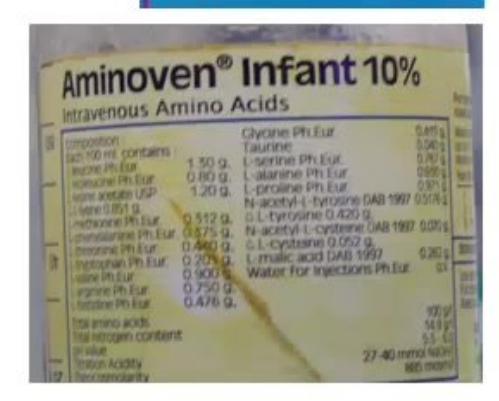
- What are the side-effects of parenteral nutrition?
Answer
—_ . Parental nutrition
-
- Dose 0.5-3.5 g/kg/day
- . When enteral nutrition is insufficient or contraindicated Day 1
- . Dyselectronemia, cholestasis, bacterial or fungal colonisation and sepsis, thrombosis, azotemia, thrombocytopenia
MNJ25-005
**
Linezolid |.V. Injection 2mg/m|
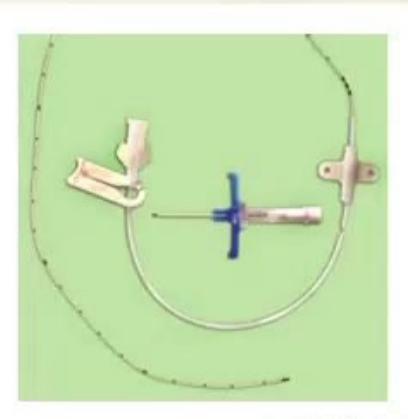
- Identify the product.
- What are the advantages of its use?
- Enumerate five complications
Answer
ee . PICC (peripheal inserted central catheter)
-
. Preserves veins, allows concentrated infusates, permits long-term IV alrmentaton
-
- 6 complications
- * Catheter fracture and embolisation,
- * Leakage
- * Thrombosis of catheter
- * Accidental displacement/hp migrahon
- * Deep venous thrombosis
- * Infection
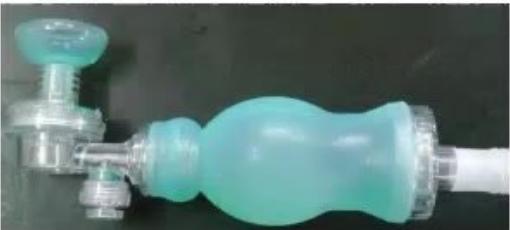
Ans. 6. 1. Self mflating 250 ml AMBU-bag
-
- Oxygen, air inlet, patient outlet, valve assembly, oxygen reservoir and pressure release valve.
-
- Gasping/ apneic infant, cyanosis inspite of free flow oxygen and HR <100/m 30 sec after initial steps.
-
- MSAF and suspected congenital diaphragmatic herma.
-
- Wash with detergent and hot water. Dry thoroughly. If visibly soled with blood / body fluids, clean and send to central sterilization department.
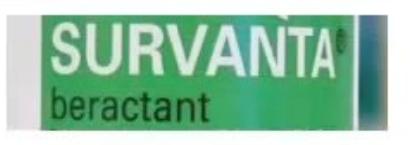
Ans. 7. 1. Surfactant
-
- ml/kg first dose than may again at 2 mg/kg/dose
-
- Surfactant replacement therapy for prevention and treatment of RDS in preterms.
-
- Survanta should not be removed from the refrigerator for more than 24 hours and it should not be warmed and returned to the refrigerator more than once.
- * Donotsuction the imfant for 1 hour after dosing unless signs of sigmuficant airway obstruction occur.
- * Marked improvements in oxygenation and decrease in lung complance may occur within munutes of admimustration of SURVANTA. Therefore, frequent and careful climucal observation and monitoring
- * Do not shake the vial.
Ans. 8.
| Surfactant | Source | Dose | Dose interval | Max doses |
|---|---|---|---|---|
| Survanta | Bovine | 4ml/kg | 6 | 4 |
| Infasurf | Calf | a | 12 | 4 |
| Curosurf | Porcine | 2.5 | abs | 3 |
| Neosurf | Bovine | 5 | 6 | 3 |
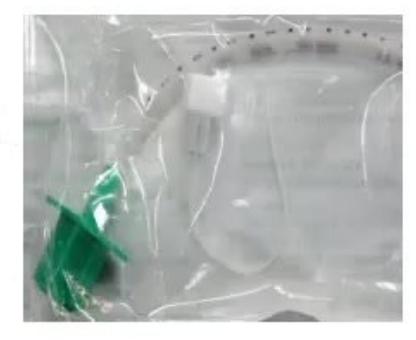
Ans. 9. 1. Double lumen endotracheal tube
-
- For surfactant instillation
- To aid lung lavage
-
- Permits efficient drug instillation without interrupting ventilation
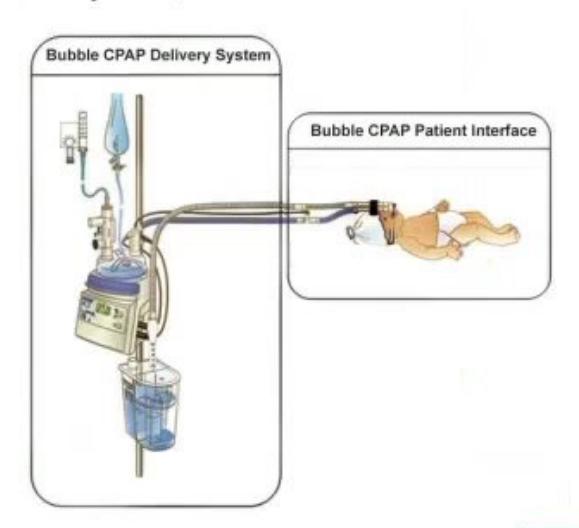
Ans. 10.1. Bubble CPAP apparatus
-
- Indications
- * If FiO, requirement is >0.3
- * SA score >4
- * ABG score >3 on oxygen therapy
- * Frequent apnea with documented hypoxemia
-
* Clinically significant chest retractions after extubation from mechanical ventilation
-
. Complications
- « Aur leak * Reduced venous return
- « IVH
Ans. 11.1. Carbapenems
- 2 Widest spectrum of antimicrobial activity among the B-lactam antibiotics against both gm-ve and gm + organisms except MRSA.
- . 20-40 mg/kg/dose 8-12 hourly
- . Transient agranulocytosis, thrombocytopenia. Seizures
. Methylxanthine
- Respiratory centre stimulation, antagonism of adenosine, mcreased diaphragm contractility
- Apnea of prematurity
- Lading dose 20 mg/kg IV followed by 5-12 mg/kg
- Cardiac arrhythmma, tachycardia, irritability
- Pulmonary vasodilatation and attenuates hypoxic vasoconstriction of pulmonary blood vessel
- Decrease in the cardiac output
- Betal agonist
- Betal > beta2 > alpha
- No effect on HR, PVR and BP
- 1-20 pg/kg /mun
- Rituximab-monoclonal antibody CD20
- Non-Hodgkin's lymphoma (NHL), (ALL), Hodgkin's lymphoma (HL), Chronic ITP, SLE, nephrotic syndrome, JIA.
- . Diluted in NS, D5 to achieve final concentration of 1-4 mg/ml premedication 4% hour prior with paracetamol, antihistamiruc, corticosteroid started with 50 mg/ hour, then stepped up by 50 mg/hour every half hourly
- . Infusion reactions, B cell depletion, cardiovascular reactions, kidney failure, tumor lysis syndrome
Ans. 15, 1. Indications
-
a. Transposition of the great vessels
-
b. Lesions with ductal dependent pulmonary blood flow—TOF, PS, pulmonary atresia, tricuspid atresia, Ebstein's anomaly
-
c. Lesions with ductal dependent systemic blood flow—A5S, COA, hypoplastic left heart syndrome, interrupted aortic arch.
-
. Adverse effects
- 1 Apnoea; 2. Hypotension; 3. Hyperthermia (transient); 4 Hypoglycaemia;
-
- Cortical proliferation of the long bones.
-
. Monitoring
- * Observe respiratory effort closely
- * Monitor arterial pressure closely.
-
* Watch for apnea
-
* Watch for bleeding diathesis
-
Gama aminobutyric acid, transaminase inhibitor
- . 30 mg/kg/d, OD/BD up to 100 mg/kg/d
- . Visual field constriction, optic atrophy, optic neuritis
- . Infantile spasms, tuberous sclerosis adjuvant for poorly controlled seizures
-
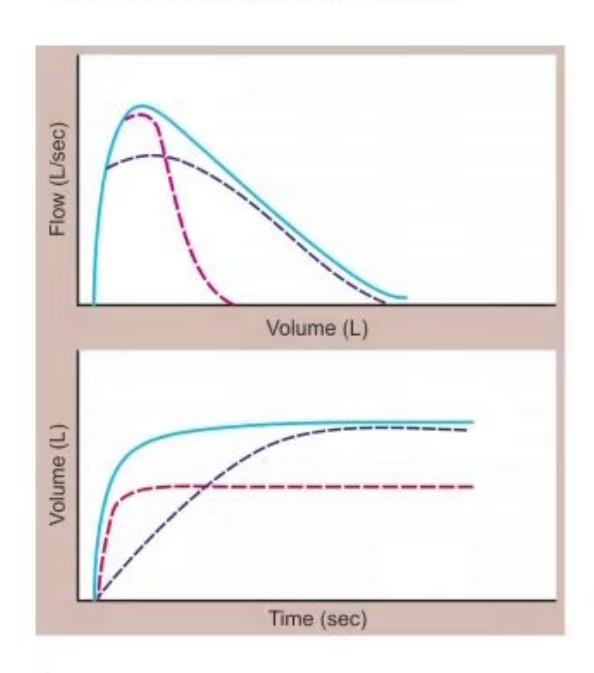
- Spirometry
-
in. To differentiate obstructive in restrictive respiratory diseases.
-
m. FVC and FeV1
-
iv. FVC, FEV1 both low—trestrictive
FVC-N FEV1 Low—obstructive
FVC low FEV1 very low—mixed diseases.
-
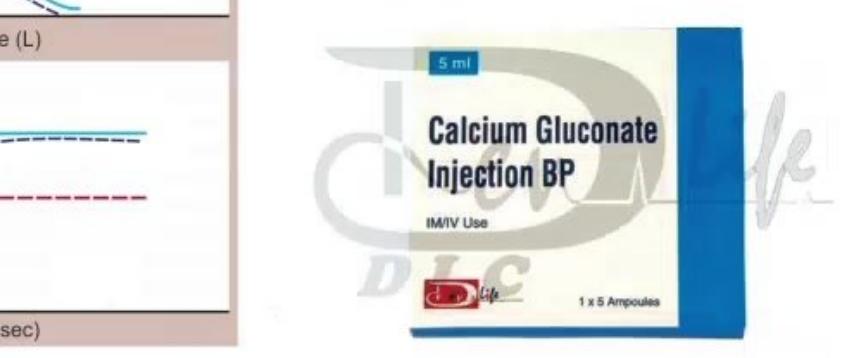
- Ca gluconate 10% (1 ml = 9 mg elemental Ca)
- ii. Do not mix with HCO,
-
- Bradycardia, asystole and sclerosis
Ans. 18. 1. Anti-arrhythmic
- IV/1O:
First dose—0.1 mg/kg rapid push (max 6 mg Second dose—0.2 mg/kg rapid push (max 12 mg)
. MOA
Interrupt re-entry pathway stimulate adenosine receptor depress sinus node automaticity
- Giving via central route, rapid push, ECG monitoring continue
- Theophylline is adenosine receptor antagonist so decrease its effectiveness
- BP, ECG
- 10 sec
- dizziness, numbness, blurred vision
- Urine
- 6mg/2 ml
- . Class I anti-arrhythnue
- . SVT, VT with pulse, pulse less arrest
- . 50 mg/ml
- . IV/IO—5 mg/kg over 20 minute (max 300 mg), repeat to max daily dose 15 mg/ kg
- neuropathy . Pulmonary fibrosis, hypothyroidism, hypotension, hyperthyroidism, peripheral
- . Sinus node dysfunction, 2 and 3 degree AV block

Ans. 20.1. A: Croup, asthma, cerebral edema
B: Adrenal insufficiency, persistent hypoglycemia
C Asthma, anaphylactic shock
2 A: PO/IM/IV
B: IV/1IO
C:IV/IM/1O
-
- A: 1 hour, B 0-30 minutes
- 4, Croup—0.6 mg/kg (max 16 mg) Cerebral edema—1-2 mg/kg (max 16 mg)
Ans. 21.
| Drug | Epinephrine | Dobutamine |
|---|---|---|
| 1. Class | Catecholamine inotrope, vasopressure |
Catecholamine inotrope, vasopressure |
| 2. Indication | Cardiogenic, distributive shock, anaphylactic, NRP |
Shock, asthma, croup, pulseless arrest, blocker toxicity |
| 3. Available form | IV: 40 mg/ml | Img/ml |
| 4. Doses | NRP: .13 mg/kg Shock: 2-20 pg/kg /min |
Shock: 0.1-1 pg/kg /min Asthma: 0.01 mg/kg IM/SC |
| 5. Action | Alpha—increase SVR fl—increase HR f2—low SVR |
|
| 6. Max infusion rate | 20 pe /ke/min |
MNJ25-006
*
7"
- Whats the equipment?
- Identify the parts.
- Enumerate indications for its use
- What are the contraindications?
- How do you sterilize it?
- Identify the product.
- Whats the dosage?
- What are the indications for use?
- Enumerate three precautions.
Answer
No model answer in source material.
MNJ25-007
** Write details about surfactant used:
| Surfactant | Source | Dose | Dose interval | Max doses |
|---|---|---|---|---|
| Survanta | ||||
| Infasurf | ||||
| Curosurf | ||||
| Neosurf |
Answer
No model answer in source material.
MNJ25-008
**
- 2, What are the indications of its use?
- What 1s the equipment?
- What are the advantages?
Answer
No model answer in source material.
MNJ25-009
**
- Identify the equipment.
- Indications for usage.
- Complications (mention any three).
Answer
No model answer in source material.
MNJ25-010
*
- Which class does this antibiotic belong to?
- What is the spectrum?
- What is the dosage?
- What is the two important side effects?
Answer
No model answer in source material.
MNJ25-011
** Caffeine citrate:
Neropenem Injection IP

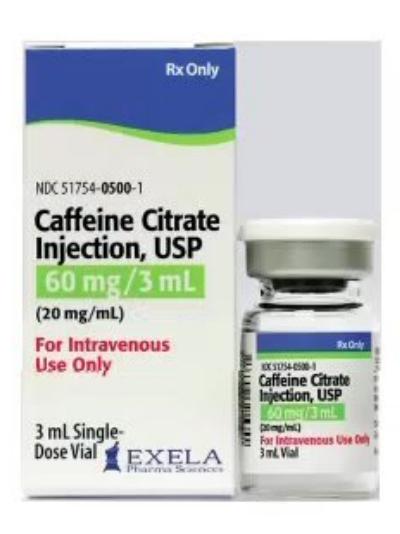

- Which group this drug belong?
- What is mechanism of action?
- What are indications?
- What are dosages?
- What are side effects?
Answer
No model answer in source material.
MNJ25-012
*
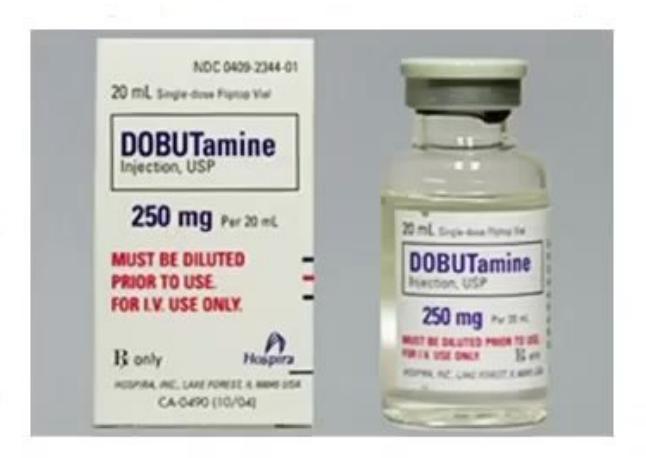
- What 1s the effect of this drug on pulmonary blood flow?
- What will happen if it is used in a hypovolemuc child?
- Predominant mecharusm of action.
- Arrange alpha, betal and beta2 in order of reducing affiruty.
- Advantage of this drug.
- Dose range.
Answer
No model answer in source material.
MNJ25-013
**
- wile" 3. Name method of administration.
- Name two important side effects.
Answer
No model answer in source material.
MNJ25-014
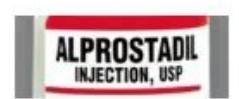
**Prostaglandin E1:
- What are the indications for administration?
- Mention four adverse effects of this drug. | ALPROSTADIL |
- How do you monitor the newborn when the drug is given?
Answer
No model answer in source material.
MNJ25-015
** Vigabatrin:

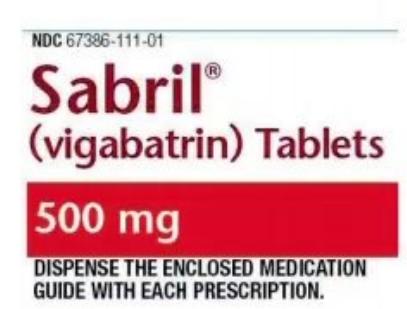

- Mode of action
- Dosage
- Important side effects.
- Mention important uses.
Answer
No model answer in source material.
MNJ25-016
-
iii. What 2 important parameters it measures?
-
iv. Based on these result how can you differentiate disorders?
-
iu. Give 2 indications for its use.
- What test 1s performed?
n. What are indications? - What is the elemental content of 1 ml?
- Which solution 1s incompatible if mixed with this drug?
Answer
No model answer in source material.
MNJ25-017
* Adenosine
- 4, What you keep in mind while giving this drug?
- Which class drug is this?
- What are mode to give and doses with max dose?
- Mode of action.
- Which drug reduce its effectiveness?
- What you will monitor while giving this drug?
- Half life of this drug
- CNS side effect
- Mode of excretion of this drug
- What strength of injection are available?
Answer
No model answer in source material.
MNJ25-018
** Amiodarone
- Which class of drug this is?
- Uses of this drug.
- Available strength.
- Route and dose of admimustration.
- Side effect.
- What are contraindications of this drug?
Answer
No model answer in source material.
MNJ25-019
**
- A. Dexamethasone
- B. Hydrocortisone
- C. Methylprednisolone
- Write down two indications for each.
a. Dexamethasone
b. Hydrocortisone
c. Methylprednisolone - What are routes for each you can give?
- What 1s peak onset of action for A and B?
- What are doses of dexamethasone for croup and cerebral edema?
Answer
No model answer in source material.
MNJ25-020
** Fill the table below:
| Drug | Epinephrine | Dobutamine | |
|---|---|---|---|
| 1. Class | |||
| 2. Indication | |||
| 3. Available form | |||
| 4. Doses | |||
| 5. Action | |||
| 6. Maximum infusion rate |
Answer
No model answer in source material.