THG20-001
A 1-year-old infant presented with fever. Routine evaluation showed severe anemia with hemoglobin (Hb) 5 g/dL, MCV—50 fl, MCH—20 pg.
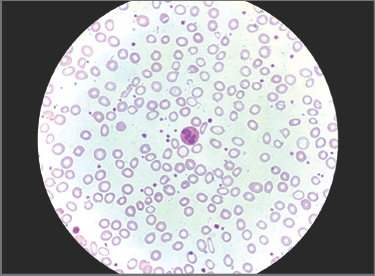
a. Comment on the smear picture.
b. Mention a few conditions which present with such smear.
c. What is Mentzer index?
d. How do you diagnose sideroblastic anemia?
e. What is reticulocyte index?
Answer
| a. | Microcytic hypochromic anemia, anisopoikilocytosis, and pencil cells |
| b. | Iron deficiency, thalassemia, sideroblastic anemia, and lead poisoning |
| c. | MCV/RBC. <13 indicates thalassemia and >13 iron deficiency |
| d. | Increased iron/ferritin, ring sideroblasts in erythroid precursors (>10%) |
| e. | Reticulocyte count × patient PCV/Normal PCV/maturation time |
THG20-002
A 3-year-old boy presented with fever, productive cough, and shortness of breath. He has had multiple episodes of hand and foot swelling with pain during episodes of fever. On arrival to emergency department (ED), he was febrile, tachycardic, and tachypneic with SpO2 of 90% at room air (RA). His investigation showed hemoglobin (Hb): 6 g/dL, TLC: 20 × 109/L (N—85% and L—15%), and platelets: 500 × 109/L.
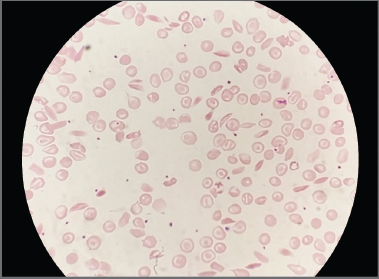
a. Describe the peripheral smear findings.
b. What is the diagnosis?
c. How do you manage?
d. Name new drugs approved for the above disease.
Answer
| a. | Normochromic normocytic RBC with irreversible sickle cells with target cells |
| b. | Sickle cell anemia with acute chest syndrome |
| c. | Oxygen, antibiotics—third-generation cephalosporins and macrolides, Simple red cell/exchange transfusion for hypoxemia, adequate pain management, and thromboprophylaxis. |
| d. | Voxelotor, crizanlizumab, and L-glutamine |
THG20-003
A 12-year-old patient regularly transfused β-thalassemia major with serum ferritin of 15,000 ng/mL came with acute onset shortness of breath of 2 days duration. On examination (O/E), pallor was present and jugular venous pressure (JVP) elevated. Systemic examination revealed muffled heart sounds with S3.
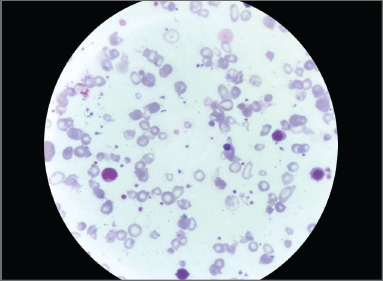
a. What is the significance of T2* cardiac magnetic resonance imaging (MRI)?
b. What is shuttle hypothesis?
c. Name the new drug approved for β-thalassemia.
d. What is the management of acute cardiac iron overload?
Answer
| a. | This is likely a case of cardiac siderosis. |
| T2* cardiac MRI is done annually after 10 years of age to assess cardiac iron overload. Serum ferritin is not a good predictor of total body iron pool if value exceeds 3,000 ng/mL. Serum ferritin is a poor indicator of cardiac iron overload. | |
| b. | Deferiprone (DFP) removes iron from cardiac tissue and iron is excreted by deferoxamine (DFO). |
| c. | Luspatercept—erythropoietin modulating agent which inhibits SMAD signaling pathway and enhances erythropoiesis. |
| d. | IV DFO is started immediately along with DFP. IV DFO is continued for 30 days followed by switching to subcutaneous DFO along with DFP. |
THG20-004
A 4-year-old child was treated with cotrimoxazole for urinary infection. He presented with acute fatigue and high colored urine.
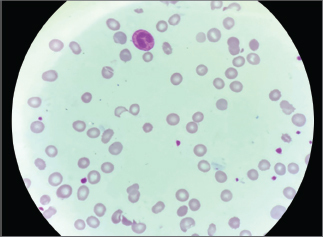
a. Describe the peripheral smear.
b. What is the likely diagnosis?
c. What is the recent classification?
d. What is the mode of inheritance?
Answer
| a. | Normochromic normocytic red cells with fragmented cells and helmet cells |
| b. | Glucose-6-phosphate dehydrogenase (G6PD) deficiency |
| c. | World Health Organization (WHO) classification (Class I: <10% of enzyme activity with chronic non-spherocytic hemolytic anemia, Class II: <10% with severe episodic hemolysis, Class III: 10–60% with intermittent acute hemolysis, Class IV: 60–150%—normal activity, Class V: increased enzyme activity). |
| d. | X-linked recessive |
THG20-005
A 4-year-girl with lethargy and poor weight gain. Examination showed knuckle hyper pigmentation.
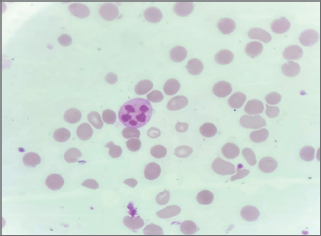
a. Identify the above smear.
b. What is the diagnosis?
c. What are the additional findings expected in morphology?
d. Name an infection causing it.
Answer
| a. | Macrocytes, macroovalocytes, and hypersegmented neutrophils |
| b. | Megaloblastic anemia |
| c. | Howell–Jolly bodies in smear, and megaloblastic RBC, giant myelocytes, and giant metamyelocytes in marrow |
| d. | Diphyllobothrium latum |
THG20-006
A 4-year-old boy presented with acute epistaxis and gum bleed with platelet count of 10,000/mm3. He had history of fever 1 week ago. His peripheral smear is given below.
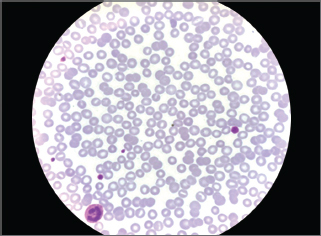
a. What is the diagnosis?
b. What is immature platelet fraction (IPF)?
c. What are the new drugs approved in this condition?
d. What is the management?
Answer
| a. | Immune thrombocytopenia (ITP) |
| b. | IPF reflects the status of thrombopoiesis, and it is increased in ITP. |
| c. | Eltrombopag, romiplostim, and rituximab |
| d. | Observation or steroids or intravenous Immunoglobulin (IVIg) |
THG20-007
A 3-year-old child presented with fever, epistaxis, generalized lymphadenopathy, and hepatosplenomegaly.
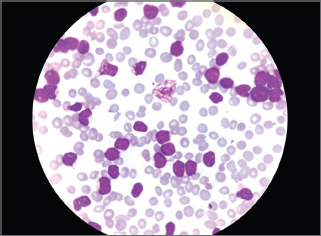
a. Describe the smear findings.
b. What are the drugs commonly employed in treatment?
c. What are the features of tumor lysis syndrome?
d. What is the prognostic indicator by cytogenetics?
Answer
| a. | Peripheral smear shows large cells with high nucleocytoplasmic ratio and coarse chromatin and conspicuous nucleoli and scanty cytoplasm and background smudge cells suggestive of acute lymphoblastic leukemia |
| b. | Steroids, vincristine, daunorubicin, and L-asparaginase |
| c. | Hyperkalemia, hyperuricemia, hyperphosphatemia, and hypocalcemia |
| d. | Hyperdiploidy and t(12:21) good prognosis; hypodiploidy and t(9:22) bad prognosis |
THG20-008
A 6-year-old child presented with anuria and seizures with hypertension. His investigations showed urea: 100 mg/dL and creatinine: 6 mg/dL. Urine microscopy shows protein 2+. He has past history of diarrhea with abdominal pain present.
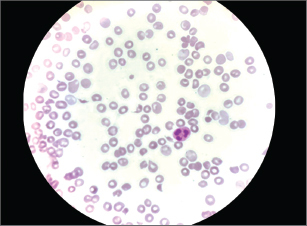
a. Identify the cells.
b. What is the diagnosis?
c. What is the etiology?
d. What is the treatment?
Answer
| a. | Helmet cells and schistocytes |
| b. | Infection-associated hemolytic uremic syndrome |
| c. | Shigella dysenteriae and Escherichia coli O157:H7 |
| d. | Hemodialysis and supportive care |
THG20-009
A 4-year-old male child with fever and seizures was brought in unconscious state. His peripheral smear is given below.
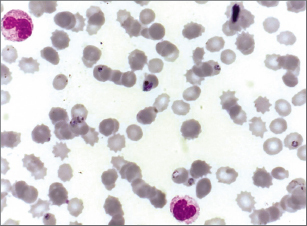
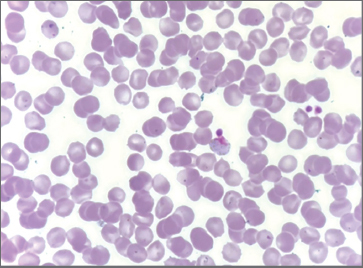
a. What do you see in the smear?
b. What is the drug of choice?
c. Which underlying condition is to be ruled out before starting antimalarials?
Answer
| a. | Rings of Falciparum malaria and gametocyte of Plasmodium vivax |
| b. | Chloroquine and quinine |
| c. | G6PD deficiency |
THG20-010
A 10-year-old child presented with fever, lethargy, and epistaxis. Examination shows gum hypertrophy and splenomegaly.
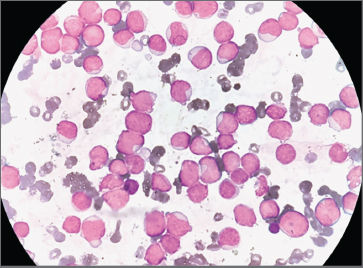
a. What is the diagnosis?
b. What are the common genetic translocations identified?
c. What are the drugs used in above condition?
d. What are the syndromes associated?
Answer
| a. | Acute myeloid leukemia—blasts with high nuclear–cytoplasmic ratio, opened up chromatin with prominent nucleoli |
| b. | t(8:21) and inv(16) |
| c. | Cytarabine and daunorubicin |
| d. | Down syndrome, Fanconi anemia, Shwachman–Diamond syndrome, and severe congenital neutropenia |
THG20-011
A 10-year-old girl with chronic kidney disease (CKD) on maintenance hemodialysis presented with easy fatigability, lethargy, and poor weight. She has no history of chronic transfusion, jaundice, and blood loss.
a. What is functional iron deficiency?
b. What are the new RBC parameters helpful in this case which can guide therapy?
c. What is the target Hb level in CKD patients?
d. How do you manage?
Answer
| a. | It is insufficient supply of iron to the developing erythroids despite adequate iron stores. |
| b. | Reticulocyte Hb concentration (RET-HE) <27 pg indicate functional iron deficiency |
| c. | 10–11 g/dL |
| d. | Parenteral iron and erythropoietin-α |
THG20-012
A 5-year-old boy presented with lethargy, persistent jaundice, and abdominal distension. O/E, he had Hb: 5 g/dL, MCV: 80 fl, MCH: 30 pg, and MCHC: 38 g/dL. His smear is shown below.
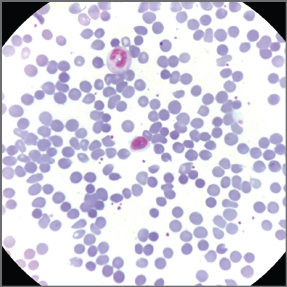
a. Comment on the smear.
b. What are the conditions associated with the above image?
c. What is the indication of splenectomy in the above condition?
d. What are the common genetic mutations with the condition?
Answer
| a. | Uniform spherocytic red cells |
| b. | Hereditary spherocytosis, autoimmune hemolytic anemia (AIHA), thermal injury, and clostridial sepsis |
| c. | Growth failure due to anemia, severe anemia requiring regular transfusions |
| d. | Ankyrin and β-spectrin deficiency |
THG20-013
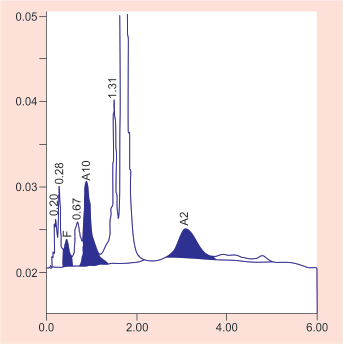
An 11-year-old girl presented with refractory iron deficiency anemia.
a. What is the likely diagnosis?
b. What are the conditions associated with low HbA2?
c. What are the common α variants in India?
d. What is the principle of high-performance liquid chromatography (HPLC)?
Answer
| a. | β-thalassemia trait |
| b. | Severe iron deficiency anemia and HbH disease |
| c. | Alpha 3.7 deletion and alpha 4.2 deletion |
| d. | Cation exchange chromatography |
THG20-014
A 10-year-old girl came with lethargy, jaundice, and high-colored urine. She has no other significant history. Investigations revealed Hb: 5 g/dL, MCV: 110 fl, MCH: 40 pg, MCHC: 40 g/dL, and reticulocyte count: 8%. Smear shows normochromic normocytic red cells with microspherocytes and 25 nRBC/100 white blood cell (WBC). Direct Coombs test showed 4+. Monospecific Coombs test showed immunoglobulin G (IgG): 4+, C3b = 4+.
a. What is the significance of the monospecific Coombs test?
b. What is the first-line treatment for the above condition?
c. What are the causes associated with the above condition?
d. In which condition Donath–Landsteiner antibody is detected?
Answer
| a. | Used to differentiate warm and cold AIHA |
| b. | Steroids |
| c. | Systemic lupus erythematosus (SLE), infections, drugs, human immunodeficiency virus (HIV), common variable immunodeficiency (CVID), autoimmune lymphoproliferative syndrome (ALPS), and lupus anticoagulant |
| d. | Paroxysmal cold hemoglobinuria (PCH) |
THG20-015
A 6-year-old child came with lethargy and bleeding gums. O/E, child was short with generalized hyperpigmentation and bifid thumb.
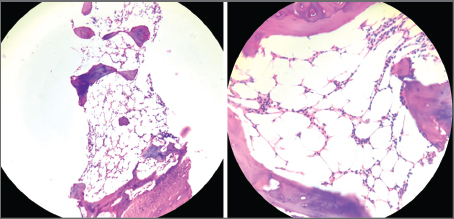
a. What is the likely diagnosis?
b. What are the other tests routinely performed?
c. What are the hematological and nonhematological complications of the above condition?
d. What is the treatment?
Answer
| a. | Fanconi anemia |
| b. | Stress cytogenetics on lymphocytes (increased chromosome fragility with diepoxybutane or mitomycin C) and genetic analysis for Fanconi anemia |
| c. | Fanconi anemia predisposes to both hematological malignancies— Myelodysplastic syndrome and acute myeloid leukemia |
| Solid tumors—especially squamous cell carcinoma of oral cavity and genital tract. | |
| d. | Bone marrow transplantation |
THG20-016
Bone marrow aspirate of an infant with isolated hepatosplenomegaly.
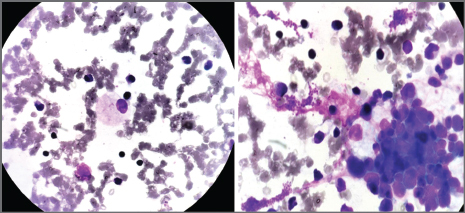
a. What is the diagnosis?
b. What is the enzyme deficiency associated with this disease?
c. Describe the classical bone marrow picture.
Answer
| a. | Gaucher’s disease |
| b. | Glucocerebrosidase |
| c. | Focal or diffuse replacement by ovoid histiocytes with abundant pale blue gray cytoplasm that is crinkled or wrinkled paper like |
THG20-017
A 1-year-boy presented with fever of 2 weeks duration. He had hemoglobin of 5 g/dL, total white cell counts of 2000/mm3 and platelets of 20 ×109/L with hepatosplenomegaly.
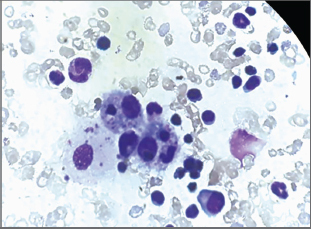
a. What is the diagnosis?
b. What are the mutation defects that can be associated?
c. What are the laboratory abnormalities specific to the disease?
d. Name some drugs used to treat the disease.
Answer
| a. | Hemophagocytic lymphohistiocytosis (HLH) |
| b. | Perforin gene (PRF1) mutation |
| c. | Cytopenia, hypertriglyceridemia, hypofibrinogenemia, elevated ferritin, and hemophagocytosis in bone marrow |
| d. | IVIg, steroids, and etoposide |
THG20-018
A 10-year-old acute myeloid leukemia (AML) child on induction phase chemotherapy presented with cough, breathlessness, and pleuritic chest pain. High-resolution computed tomography (HRCT) is shown below showed multiple nodules in both lung field with halo sign.
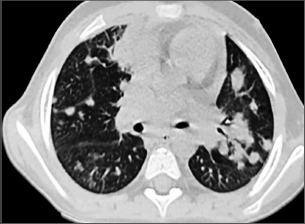
a. What is the likely diagnosis?
b. What are the etiological factors?
c. What are the other additional tests for confirmation?
d. What are the treatments available for the above condition?
Answer
| a. | Invasive pulmonary aspergillosis |
| b. | Aspergillus fumigatus, Aspergillus flavus, Aspergillus terreus, and Mucorales |
| c. | Bronchoalveolar lavage (BAL) fluid, β-galactomannan, and BAL fungal culture |
| d. | Voriconazole, isavuconazole, and liposomal amphotericin B |
THG20-019
A 18-year-old girl presented with menorrhagia with history of similar menorrhagia in mother.
a. What are the next investigations to be done?
b. What is the probable diagnosis?
c. What is the mode of inheritance?
d. What is the available management?
Answer
| a. | von Willebrand factor (vWF) antigen assay, vWF:RCo (von Willebrand factor Ristocetin Cofactor) assay, and factor VIII:C antigen activity |
| b. | Von Willebrand disease (VWD) |
| c. | Autosomal dominant in type 1, 2A, 2B, 2M VWD, autosomal recessive in type 2N and type 3 VWD |
| d. | Tranexamic acid, hormonal pills, and plasma-derived and recombinant vWF |
THG20-020
A 1-year-old boy presented with spontaneous skin ecchymosis and epistaxis. She has no history of hematoma or hemarthrosis. There is no family history of bleeding.
a. Identify the diagnosis.
b. What is the mode of inheritance?
c. What is the defect?
d. What are the treatment options available?
Answer
| a. | Glanzmann thrombasthenia |
| b. | Autosomal recessive |
| c. | Glycoprotein GPIIb/IIIa receptor (GP41 and GP61 receptor) |
| d. | Tranexamic acid and platelet transfusions and recombinant factor VIIa |
THG20-021
A 1-year-old boy presented with acute right hemarthrosis.
a. What is the likely diagnosis?
b. What is the mode of inheritance?
c. What is aged and adsorbed plasma?
d. How you do classify the above condition?
Answer
| a. | Hemophilia A |
| b. | X-linked recessive |
| c. | Aged plasma is deficient in factor V and VIII, adsorbed plasma is deficient in II, VII, IX, and X |
| d. | Mild hemophilia A: 5–40%, moderate hemophilia A: 1–5%, and severe hemophilia A: <1% |
THG20-022
Identify the chamber used in blood bank. This chamber has continuous agitation.
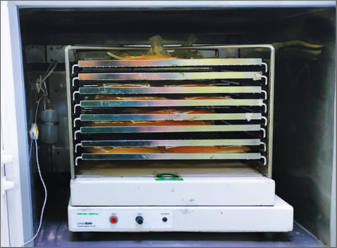
a. Identify the above image.
b. What is the blood product used in this?
c. What is the shelf-life of platelet?
d. What is the temperature storage?
Answer
| a. | Platelet agitator with incubator |
| b. | Platelets |
| c. | 5 days |
| d. | 22–26°C |
THG20-023
A 1-month-old neonate with Down syndrome presented with abdominal distension. Investigations showed Hb: 11 g/dL, total platelet counts: 50 × 109/L, and peripheral smear: 50% large atypical cells with high nuclear–cytoplasmic ratio, with deep basophilic cytoplasm with cytoplasmic blebs.
a. What is the likely diagnosis?
b. What is the natural course of disease?
c. Name gene involved.
d. What is the management?
Answer
| a. | Transient abnormal myelopoiesis (TAM) |
| b. | Spontaneous resolution in 3 months in 90% patients and 30% will progress to AML M7 before 4 years. |
| c. | Somatic GATA1 mutation gene |
| d. | Observation in asymptomatic to low dose cytarabine (0.5–1.5 mg/kg) in symptomatic patients |
THG20-024
A 5-year-old child presented with acute onset shortness of breath after taking over the counter medicine chloroquine. SpO2 is 80% not improving with oxygen and PaO2 is 90 mm Hg.
a. What is the diagnosis?
b. What is the etiology?
c. What are the confirmatory tests?
d. What is the management?
Answer
| a. | Acquired methemoglobinemia |
| b. | Antimalarials, sulfa drugs, nitrites, and anesthetics |
| c. | CO-oximetry |
| d. | Red cell exchange transfusion/IV methylene blue (contraindicated in G6PD deficiency)/high dose ascorbic acid (1–2 g/day) |
THG20-025
A 3-day-old newborn, born to parent with third degree consanguinity, presented with blackish discoloration of toes and fingers.
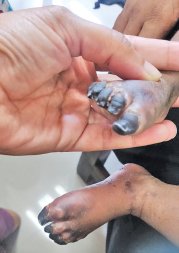
a. What is the diagnosis?
b. How to confirm diagnosis?
c. What is the treatment option?
d. What is the differential diagnosis?
Answer
| a. | Neonatal purpura fulminans |
| b. | Extremely low levels of protein C/protein S, genetic studies for PROC gene |
| c. | Protein C concentrates, fresh frozen plasma, systemic anticoagulation |
| d. | Infections with septic emboli/disseminated intravascular coagulation (DIC), vasculitis, warfarin-induced skin necrosis |
THG20-026
A 3-month-old child is brought with the complaints of severe anemia and noisy breathing. He has moderate splenomegaly.
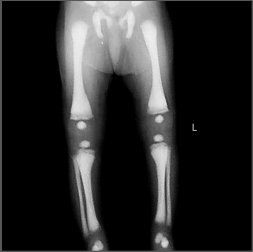
a. What is the diagnosis?
b. What is the characteristic peripheral smear finding seen in these children?
c. What visual complication happens in this disease?
d. What is the curative treatment for this disease?
Answer
| a. | Malignant infantile osteopetrosis |
| b. | Leukoerythroblastic blood picture |
| c. | Optic atrophy secondary to optic nerve compression |
| d. | Hematopoietic stem cell transplant |
THG20-027
A 4-year-old boy has presented to the emergency room with acute pain abdomen. He has a doughy abdomen and an ultrasound of the abdomen reveals an ileocecal mass. His renal functions are deranged with following ECG changes.
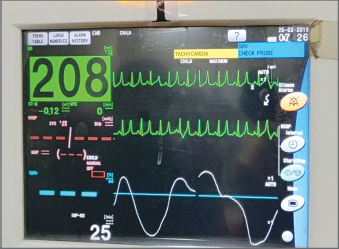
a. What is the ECG finding and the etiology beyond the ECG change?
b. What is the metabolic complication leading to this emergency?
c. Which tumor has a high predisposition to develop this metabolic syndrome?
d. What are the treatment options?
Answer
| a. | Tall and tented T waves indicating underlying hyperkalemia |
| b. | Tumor lysis syndrome |
| c. | Burkitt’s lymphoma |
| d. | Rasburicase, allopurinol, hyperhydration, antihyperkalemia measures, and renal replacement |
THG20-028
A 5-year-old boy presented with recurrent pain in joints for past 10 months—initially left shoulder, then left ankle, then right hip pain. He has mild hepatomegaly. His blood smear finding and MRI pelvis picture are shown below.
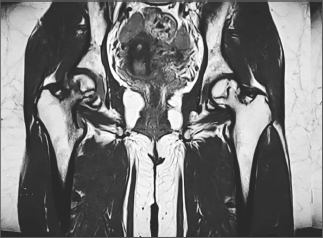
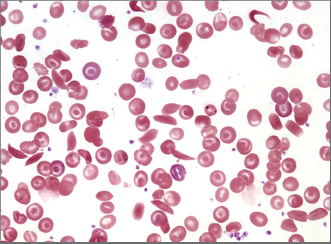
a. Comment on this smear and what is your diagnosis?
b. What is the complication noted in the MRI?
c. How do you confirm the diagnosis of this condition?
d. What are the curative treatment options?
Answer
| a. | Blood smear reveals RBC sickling and target cells. Diagnosis is sickle cell disease |
| b. | Avascular necrosis of both hip joints R > L |
| c. | Hemoglobin electrophoresis and genetic studies if required |
| d. | Hematopoietic stem cell transplant and gene therapy |
THG20-029
An 8-year-old boy presented with a right-sided scalp swelling. X-ray skull reveals a lytic skull lesion corresponding to this scalp swelling. He has no other lytic lesions. He has no lymphadenopathy or hepatosplenomegaly. His blood counts are normal.
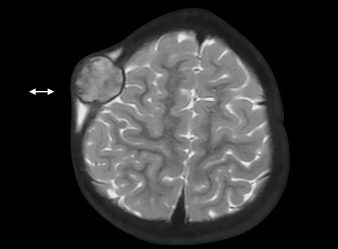
a. What is the probable diagnosis?
b. What is the expected histopathological finding and electron microscopy finding?
c. What are the treatment options?
d. What is the anticipated endocrine abnormality?
Answer
| a. | Langerhans cell histiocytosis |
| b. | Birbeck granules in electron microscopy |
| c. | Excision biopsy, curettage, intralesional steroids, systemic therapy with steroids, and vinblastine |
| d. | Central diabetes insipidus |
THG20-030
A 5-month-old child, product of third-degree consanguineous marriage, is admitted with second episode of pneumonia. He has no reaction at the BCG scar site. There is family history of previous sibling death at 10 months of age due to severe pneumonia.
a. What is the possible inborn error of immunity in this child?
b. Which newborn screening test if performed can detect the disease in the latent phase?
c. Which subset of this disease has an enzyme replacement available? Name the enzyme available.
d. What is the precaution to be taken when transfusing these children?
Answer
| a. | Severe combined immunodeficiency (SCID) |
| b. | TREC assay—T-cell receptor excision circles in dried blood spot |
| c. | ADA deficient SCID; pegylated-adenosine deaminase (PEG-ADA) |
| d. | To give irradiated and leukodepleted cellular products to avoid transfusion related graft-versus-host disease (GVHD) |
THG20-031
A 6-month-old infant is brought with complaints of recurrent transfusions from birth. He has received four red cell transfusions till date. He has no history of neonatal jaundice and has no organomegaly. He is noted to have macrocytic anemia with thrombocytosis. Bone marrow studies reveal normal marrow cellularity with paucity of erythroid precursors.
a. What is the diagnosis?
b. What is the mode of inheritance?
c. What are the differential diagnoses?
d. Name a drug which will improve hematopoiesis in 80% of affected children.
Answer
| a. | Diamond–Blackfan anemia (DBA) |
| b. | Autosomal dominant inheritance |
| c. | Transient erythroblastopenia of childhood; Pearson marrow pancreas syndrome; parvoviral infection |
| d. | Steroids |
THG20-032
A 1-year-old boy is brought with complaints of fever for 1 week. He has anemia, petechiae, and moderate splenohepatomegaly. He also has multiple café au lait spots. His complete blood count (CBC) reveals Hb: 8 g/dL, WBC count of 33,000/µL, and platelet count of 15,000/µL. Peripheral smear shows monocytosis with no blasts. He has elevated fetal hemoglobin.
a. What is the diagnosis?
b. Name two predisposing conditions.
c. Which germline/somatic genetic mutation is seen in 90% of patients?
d. Name two drugs given as a bridge to a curative hematopoietic stem cell transplantation.
Answer
| a. | Juvenile myelomonocytic leukemia |
| b. | Neurofibromatosis and Noonan’s syndrome |
| c. | Genes involved in RAS/MAPK signaling pathway |
| d. | 6-mercaptopurine and azacitidine |
THG20-033
A 2-year-old male child is brought with complaints of recurrent pneumonia since 6 months of life. He has history of cervical lymphadenitis evolving into abscess requiring an incision and drainage at 1 year of age. Pus grew methicillin resistant Staphylococcus aureus. The below mentioned flow cytometry based diagnostic test yielded the diagnosis.
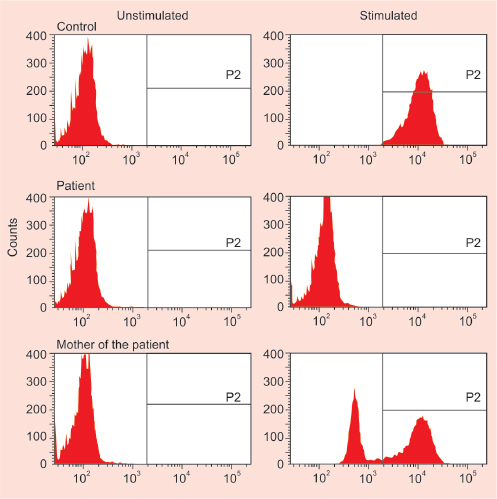
a. What is the diagnostic test depicted?
b. What is the inheritance pattern arrived based on the results?
c. What antimicrobial prophylaxis is initiated for these patients?
d. What is the drug of choice for obstructive lesions of gastrointestinal tract?
Answer
| a. | Dihydrorhodamine (DHR) assay |
| b. | X-linked recessive |
| c. | Septran and azoles |
| d. | Steroids |
THG20-034
A 2-year-old child has been brought with complaints of recurrent fever episodes. He has hypopigmented hair, organomegaly, and blood counts reveal anemia with thrombocytopenia. He has lost an elder sibling with similar illness. His hair microscopy reveals irregular melanin granules.
a. What is the possible diagnosis?
b. What are the biochemical investigations which can be done to support the diagnosis?
c. What are the pigment disorders which can have the same disease predisposition?
d. What are the bridging drugs which can be used prior to a curative treatment?
Answer
| a. | Griscelli syndrome with HLH |
| b. | Serum ferritin, serum triglycerides, plasma fibrinogen levels, and soluble CD25 receptor levels |
| c. | Chédiak–Higashi syndrome, Heřmanský–Pudlák syndrome |
| d. | Steroids, etoposide, cyclosporine |
THG20-035
A 5-year-old previously well girl is brought with low-grade fever and listlessness. At a local hospital, she was told to be anemic on evaluation but the hospital was unable to arrange compatible blood for her.
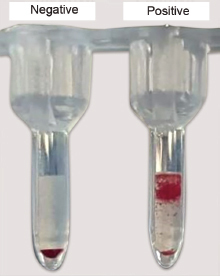
a. What is the most likely diagnosis?
b. What is the principle behind the diagnostic test in the picture?
c. What is the first-line treatment of choice?
d. List four conditions that can have this as a secondary complication in children.
e. Mention characteristic peripheral smear findings in this disease besides polychromasia.
Answer
| a. | Autoimmune hemolytic anemia |
| b. | Direct Coombs test uses antihuman globulin which will agglutinate the red cells coated with the autoimmune antibodies |
| c. | Glucocorticoids |
| d. | SLE, CVID, lymphomas, Epstein–Barr virus (EBV) infection, mycoplasma infection, ALPS |
| e. | Warm AIHA: Spherocytes; cold AIHA: RBC agglutinates (rouleaux) |
THG20-036
A 12-year-old boy came with 1-week history of fever, dyspnea, unable to lie flat for 2 days.
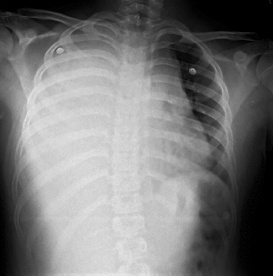
a. Identify the syndrome.
b. List two specific malignant etiologies.
c. Urgent biopsy recommended here, True or False.
d. List four immediate measures for treatment.
Answer
| a. | Superior mediastinal syndrome |
| b. | Acute lymphoblastic leukemia, non-Hodgkin lymphoma [T-lymphoblastic, primary mediastinal large B-cell lymphoma (PMBCL)], and germ cell tumor |
| c. | False. To try with noninvasive tests first |
| d. | Head end elevation, oxygen, lower limb IV cannula and hydration, and emergent steroids pending diagnosis |
THG20-037
Q20.37
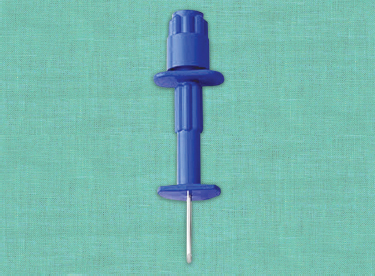
a. Name the instrument.
b. List two sites where it can be used for the test.
c. List four causes for which the test is needed for diagnosis.
d. The test is contraindicated in children with platelet count of <10,000/mm3, True or False.
e. If four draws are made, which draw by order is preferred to make the smears?
f. Mention usual gauge used in children.
Answer
| a. | Bone marrow aspiration needle |
| b. | Posterior superior iliac spine, anteromedial tibial tuberosity |
| c. | Acute leukemia, staging for solid tumor/lymphoma, bone marrow failure syndrome, storage disorders, osteopetrosis, pyrexia of unknown origin, and harvesting stem cells for transplant |
| d. | False. There is no platelet cut-off. |
| e. | First draw is best to make smears, will have maximum particles |
| f. | Bone marrow aspiration needles (15 and 18 gauge); Bone marrow biopsy needles (11 and 13 gauge) |
THG20-038
A 3-year-old happy and playful boy was brought by parents since they could feel a lump in right abdomen since 2 weeks. O/E, per abdomen: distended, firm mass in right flank, ballotable and bimanually palpable.
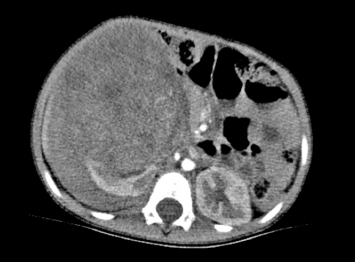
a. List two neoplasms which can present as flank mass in children.
b. Describe finding in CT.
c. What is the likely diagnosis?
d. Name the two principle modalities of treatment.
Answer
| a. | Wilms tumor, neuroblastoma |
| b. | Large heterogeneous mass in the region of right kidney, claw sign seen [symptomatic of (s/o) residual renal parenchyma], left kidney visualized is normal. |
| c. | Wilms tumor |
| d. | Chemotherapy and surgery (Radiotherapy may be required in some cases like stage III/IV but not essential in all) |
THG20-039
An 8-year-old boy presented with fever and fatigue since 2 weeks. O/E, he is 25 kg of weight. General examination shows pallor and generalized lymphadenopathy and systemic examination shows hepatosplenomegaly.
a. Identify the oncological emergencies in this child.
b. List two measures to prevent this.
c. Which drug can be used to decrease the uric acid and mention its mechanism of action?
d. Comment on treatment of the calcium value.
e. List the interventions for potassium value.
Answer
| a. | Tumor lysis syndrome and hyperleukocytosis |
| b. | Hyperhydration and allopurinol |
| c. | Rasburicase and recombinant urate oxidase |
| d. | No intervention if patient asymptomatic. Unnecessary supplementation will lead to calcium phosphate deposition in kidneys |
| e. | Immediate calcium gluconate infusion to stabilize cardiac |
| • | Salbutamol nebulization |
| • | Insulin dextrose infusion |
| • | Potassium-binding resins (K-bind polystyrene sulfonate) |
THG20-040
A 1.5-month-old baby was brought with coalescing purplish lesions on skin. The previous sibling died in early infancy with similar lesions.
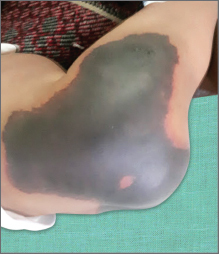
a. What is the most likely diagnosis with underlying defect?
b. What is the inheritance of the condition?
c. List steps of management.
d. List three more inherited causes and three acquired causes of thrombosis.
e. Name two direct-acting oral anticoagulants approved in children.
Answer
| a. | Purpura fulminans with underlying protein C (less commonly S) deficiency |
| b. | Autosomal recessive |
| c. | FFP (15–20 mL/kg) or protein C concentrate administered 12 hourly till resolution of purpura anticoagulation with LMW |
| Lifelong protein C concentrate ± anticoagulation | |
| Liver transplant is the only cure |
d. Inherited: Congenital deficiencies of factors such as protein C, protein S, antithrombin; Factor V Leiden mutation, prothrombin G20210A, MTHFR mutation, and dysfibrinogenemia; Acquired: Central venous line, cardiovascular invasive procedures, dehydration, sepsis, nephrotic syndrome, antiphospholipid antibody (APLA) syndrome, malignancy, congenital vascular anomalies, etc. (Virchow’s triad: endothelial injury, hypercoagulable state, blood stasis)
| e. | Rivaroxaban and dabigatran |
THG20-041
This is the peripheral smear of a 4-year-old boy who came with pallor and severe body pains. O/E, spleen was 3 cm below the costal margin.
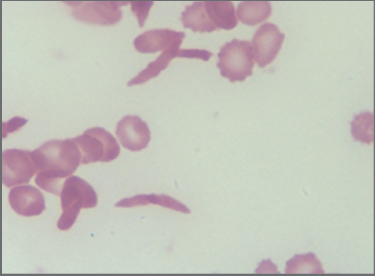
a. Mention the genetic defect here.
b. Describe in one and two sentences the pathophysiology of pain.
c. Name the conventional drug used with dose for management.
d. Name the monoclonal antibody recently introduced for treatment.
e. What is the test done and its cut-off used to decide risk of stroke in the child?
f. List four acute complications.
Answer
| a. | Single base-pair point mutation in the β-globin gene resulting in the substitution of the amino acid valine for glutamic acid in the β-globin chain |
| b. | Deoxygenated hemoglobin assumes sickle shape and forms polymers. These lead to microvascular occlusion and ischemia leading to pain. |
| c. | Hydroxyurea, 10–20 mg/kg/day (up to 35 mg/kg/day can be used but lower doses suffice mostly in sickle) |
| d. | Crizanlizumab (monoclonal antibody that binds P-selectin) |
| e. | Transcranial Doppler of ≥200 cm/second increases risk of stroke |
| f. | Acute chest syndrome, vaso-occlusive crisis, splenic sequestration, and priapism |
THG20-042
Below images are clinical picture and peripheral blood smear shown of a day 2 newborn who has developed respiratory distress and abdominal distention.
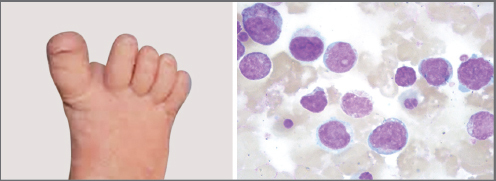
a. What are the findings in this image?
b. What is the likely diagnosis?
c. Is bone marrow testing mandatory?
d. Likely mutation leading to this complication.
e. List any four complications.
f. What is the treatment for this life-threatening disease?
Answer
| a. | Sandal gap s/o Down syndrome + leukemic blasts in peripheral smear |
| b. | Transient abnormal myelopoiesis in baby with Down syndrome |
| c. | No, the origin of transient leukemia is liver and diagnosis based on peripheral blood myeloid blasts >5% |
| d. | GATA1 |
| e. | Pleuropericardial effusion, hepatopathy, massive hepatomegaly, MODS, renal failure, hydrops fetalis, and hemorrhage |
| f. | Low-dose cytarabine (0.5–1.5 mg/kg/day for 3–21 days) |
THG20-043
A 2-year-old girl is brought with 3 weeks history of irritability, abnormal eye movements, and frequent falls leading to inability to walk. Her CT abdomen picture is shown below.
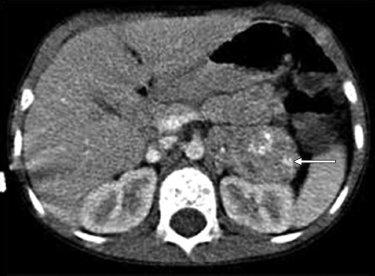
a. Describe the imaging finding.
b. What is the most likely diagnosis?
c. What are the four criteria for diagnosis?
d. List three drugs used for immunological therapy.
e. What is the long-term complication?
Answer
| a. | Left suprarenal calcified mass |
| b. | Opsoclonus-myoclonus ataxia syndrome with neuroblastoma |
| c. | Opsoclonus, ataxia/myoclonus, behavioral abnormality, and neuroblastoma (3 of 4 needed) |
| d. | Steroids, adrenocorticotropic hormone (ACTH), IVIg, rituximab, and cyclophosphamide |
| e. | Neurocognitive decline/sequelae |
THG20-044
A term and well-baby body weight (BW) of 2.8 kg with no adverse perinatal events is found to have few petechial spots and ecchymoses on day 3 of life. No pallor/organomegaly was found.
a. What is the most possible diagnosis?
b. What is the risk of intracranial bleed?
c. What are the two types of platelet transfusions recommended?
d. What is the treatment of choice?
e. Name four differentials for neonatal thrombocytopenia besides this condition.
Answer
| a. | Neonatal alloimmune thrombocytopenia |
| b. | 10–20% |
| c. | HPA-compatible or washed platelets obtained by apheresis from mother |
| d. | IVIg 2 g/kg over 2–5 days |
e. • Increased destruction: Neonatal alloimmune thrombocytopenia, maternal autoimmune thrombocytopenia, perinatal asphyxia, necrotizing enterocolitis, and Kasabach–Merritt (hemangiomas)
| • | Decreased production: Wiskott–Aldrich syndrome, congenital amegakaryocytic thrombocytopenia, thrombocytopenia with absent radius, sepsis, and TORCH [toxoplasmosis, others (syphilis, hepatitis B), rubella, cytomegalovirus, herpes simplex] infections |
THG20-045
A 5-day-old boy with no adverse perinatal events and BW of 3.2 kg, active and well, is brought with multiple ecchymoses on trunk and limbs.
a. What is the most likely diagnosis?
b. Which protein level can be used to confirm diagnosis?
c. List three types with the age of presentation.
d. List four predisposing factors.
e. List two other differentials which can present with similar laboratory parameters.
Answer
| a. | Vitamin K deficiency/hemorrhagic disease of newborn |
| b. | PIVKA (Protein induced by vitamin K antagonists) |
| c. | Early (<24 hours), classic (2–7 days), and late (0.5–6 months) |
| d. | Maternal drugs [antiepileptics and antituberculosis therapy (ATT)], breastfeeding, cystic fibrosis, diarrhea, celiac disease, α1-antitrypsin deficiency, and hepatitis |
| e. | Prolonged PT and APTT can occur with common pathway factor deficiencies: Factor X, V, II, and fibrinogen deficiencies; Liver disease; Disseminated intravascular coagulation not acceptable as platelet will be low in DIC in addition to prolonged PT/APTT |
THG20-046
A 5-year-old boy comes with yellow eye discoloration noticed since 1 year. There is history of neonatal jaundice at birth.
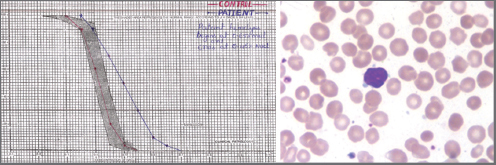
a. Identify the peripheral smear finding and the test done.
b. What is the likely defect?
c. Name any three proteins that could be defective.
d. Mention the characteristic red blood cell (RBC) index abnormality expected.
e. Name two surgeries that patients may require for this disease.
f. Describe inheritance
Answer
| a. | Spherocytes in smear, osmotic fragility test |
| b. | Hereditary spherocytosis |
| c. | Ankyrin, α-spectrin, β-spectrin, protein 4.2, band 3 |
| d. | Elevated MCHC |
| e. | Splenectomy for severe anemia, cholecystectomy for gallbladder stones |
| f. | Autosomal, dominant more common than recessive |
THG20-047
This 11-month-old girl needed five transfusions in last 6 months. No organomegaly on examination.
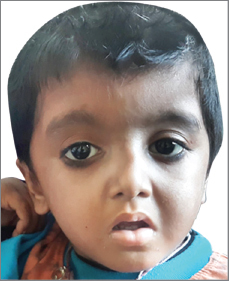
a. What are the anomalies seen in the above picture?
b. What is the likely diagnosis?
c. Mention four criteria for diagnosis.
d. Which are the two options for treatment?
e. What proportion of patients responds to the frontline drug?
Answer
| a. | Hypertelorism and long philtrum, triphalangeal thumb |
| b. | Diamond–Blackfan anemia |
c. • Classical: age <1-year, macrocytic anemia with no other cytopenias, reticulocytopenia, and normal marrow cellularity with paucity of erythroid precursors
| • | Supporting: Major—gene mutation consistent with DBA; positive family history and minor—elevated RBC adenosine deaminase, congenital anomalies consistent with DBA, elevated HbF |
| d. | Prednisolone and hematopoietic stem cell transplant |
| e. | 75% |
THG20-048
A 4-year-old boy posted for closure of ventricular septal defect was referred for hematological clearance due to mild anemia. His CBC reveals Hb: 9 g/dL, MCV: 64, MCH: 19, pMCHC: 22, RBC count: 5.5, red cell distribution width (RDW): 12.5, and smear showed occasional target cells.
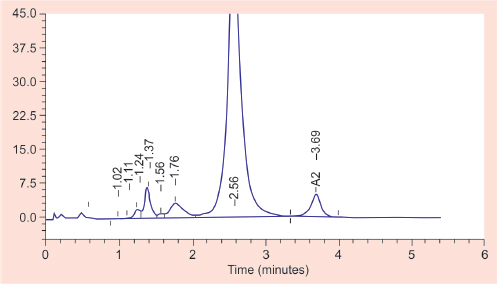
a. Name the test and interpret.
b. Calculate Mentzer index and comment.
c. Iron supplementation is contraindicated in this child, True or False.
d. What is the counseling essential for the child’s family based on report?
e. In India, what is the approximate rate of this condition?
f. Name two conditions which can reduce A2 concentration.
Answer
| a. | HPLC, HbA2 >3.5% is elevated and suggests β-thalassemia trait |
| b. | MCV/RBC count = 11.6 (<13 favors thalassemia trait over iron deficiency) |
| c. | False, if found to be deficient thalassemia trait children should be given iron. |
| d. | Carrier for defect, future partner will need screening and if found to be trait too, 25% risk of thalassemia disease in progeny |
| e. | 3–4% |
| f. | Severe iron deficiency anemia, α-thalassemia |
THG20-049
Clinical image and fine needle aspiration cytology (FNAC) slide image of an 11-year-old boy are shown.
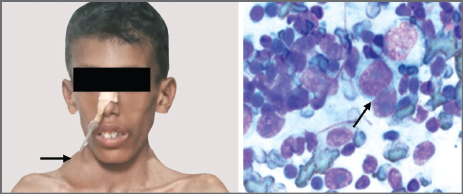
a. Identify the findings marked by arrows.
b. What is the likely diagnosis?
c. List B symptoms in context of this case.
d. List four differences in clinical presentation between Hodgkin and non-Hodgkin lymphoma.
e. Name two modalities used in management of condition.
Answer
| a. | Right cervical/supraclavicular adenopathy and Reed–Sternberg cells (binucleate owl’s eye appearing) |
| b. | Hodgkin lymphoma |
| c. | Fever >38°C for 3 days, >10% weight loss over 6 months, drenching night sweats |
| d. | Contiguous versus noncontiguous nodal involvement; Extranodal dissemination less common (CNS, marrow); B symptoms more characteristically seen; Waldeyer’s ring and mesenteric nodes less likely to be involved |
| e. | Multiagent chemotherapy and radiotherapy |
THG20-050
Q20.50
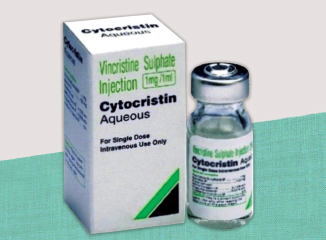
a. What is the dose limiting toxicity of the drug?
b. What is the mechanism of action?
c. List two precautions to take while administering.
d. Mention two interventions for extravasation.
Answer
| a. | Peripheral neuropathy |
| b. | Inhibition of microtubules and mitotic spindle formation |
| c. | Fresh IV cannula and dilute 1:10 |
| d. | Warm compression, hyaluronidase injection locally |
THG20-051
Q20.51
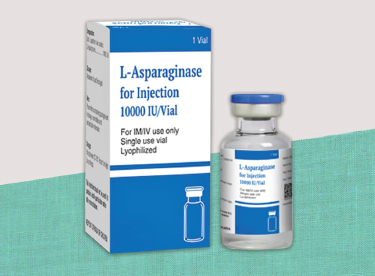
a. Mention the cancer in which it is most commonly used in children.
b. List any two adverse reactions.
c. List two routes of administration.
d. List two chemotherapy drugs in children that cause minimal/no emesis.
Answer
| a. | Acute lymphoblastic leukemia |
| b. | Hypersensitivity, thrombosis, hyperglycemia/ketoacidosis, and pancreatitis |
| c. | Intramuscular and intravenous |
| d. | Vincristine, L-asparaginase, and oral 6-MP |
■ ACKNOWLEDGMENTS
We would like to thank the following people for providing the appropriate smear for the questions:
| ■ | Dr Seethalakshmi S, Consultant Pathologist and Laboratory Director, Mehta Hospital, Chetpet, Chennai, Tamil Nadu |
| ■ | Dr Impana BD, Consultant Pathologist, Mehta Hospital, Chetpet, Chennai, Tamil Nadu |
| ■ | Dr K Chandramouleeswari, Professor and Head of Pathology, Institute of Child Health and Hospital for Children, Chennai, Tamil Nadu |
| ■ | Dr Umadevi Srinivasan, Assistant Professor, Department of Pathology, Institute of Child Health and Hospital for Children, Chennai, Tamil Nadu |
| ■ | Department of Transfusion Medicine and Pathology, ICH, Chennai, Tamil Nadu |
| ■ | Department of Radiology, ICH, Chennai, Tamil Nadu |
| ■ | Dr Amita Trehan, Professor and Head, Pediatric Hematology Oncology Unit, Advanced Pediatric Center, PGIMER, Chandigarh |
| ■ | Dr Shanthala Devi AM, St John’s Medical College and Hospital, Bengaluru. |