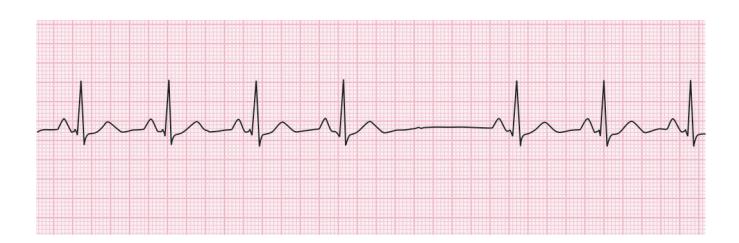
VVK15-001
Calculate the heart rate
Answer
No model answer in source material.
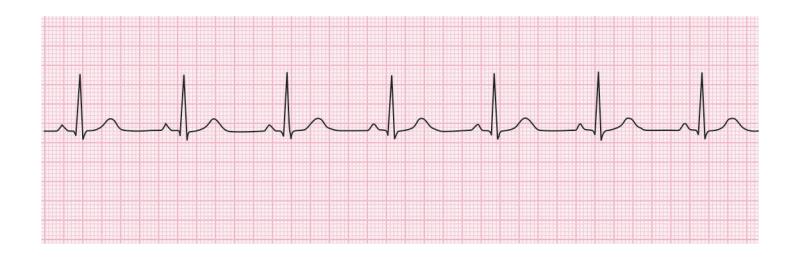
VVK15-002
Is this ECG normal or not? If not why?
Answer
No model answer in source material.
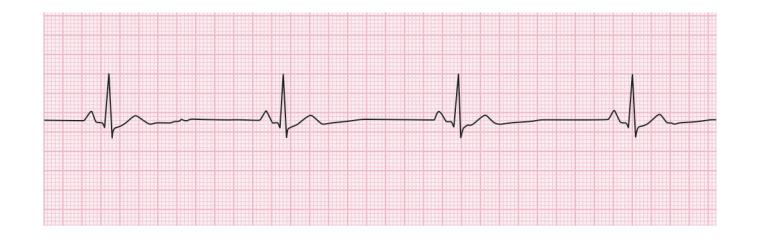
VVK15-003
What is your management?
Answer
No model answer in source material.
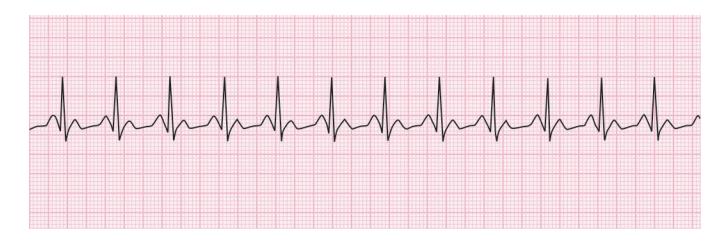
VVK15-004
What is your management?
Answer
No model answer in source material.
VVK15-005
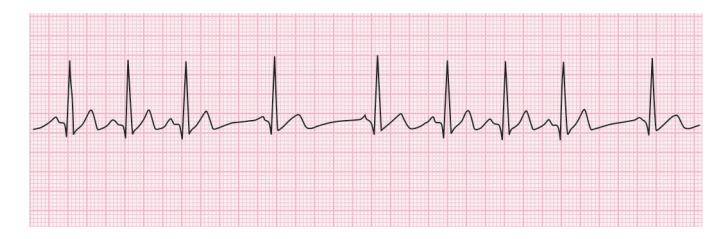
What is your management?
Answer
No model answer in source material.
VVK15-006
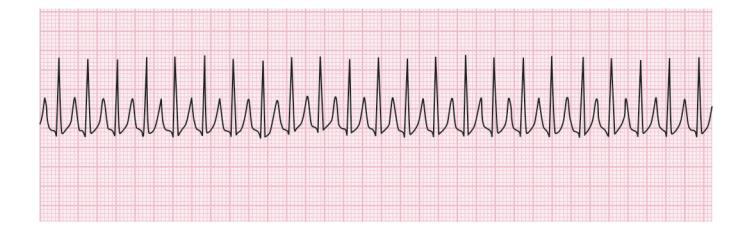
What is your diagnosis?
Answer
No model answer in source material.
VVK15-007
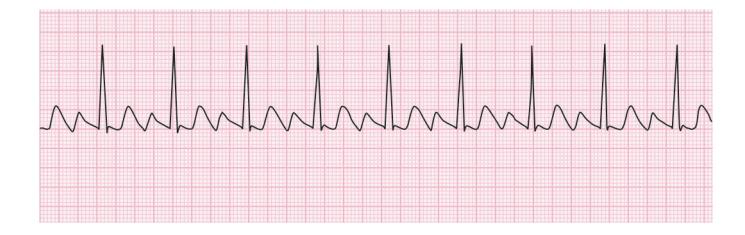
What is your diagnosis?
Answer
No model answer in source material.
VVK15-008
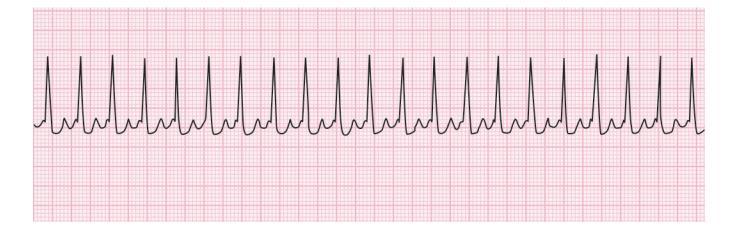
What is your diagnosis?
Answer
No model answer in source material.
VVK15-009
What is your diagnosis?
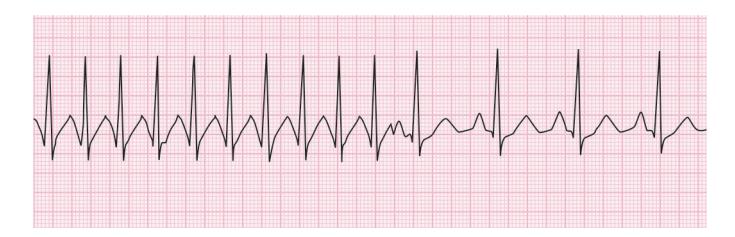
Answer
No model answer in source material.
VVK15-010
What is your diagnosis?
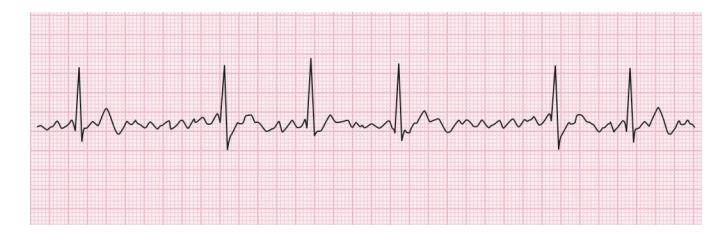
Answer
No model answer in source material.
VVK15-011
What is your diagnosis?
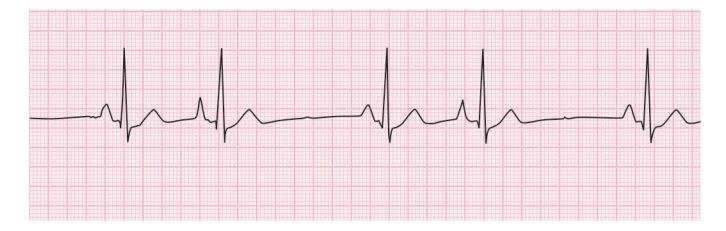
Answer
No model answer in source material.
VVK15-012
What is your diagnosis?
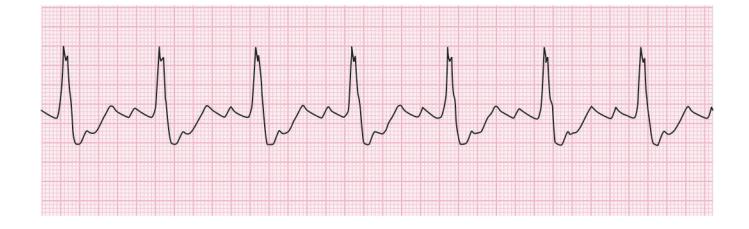
Answer
No model answer in source material.
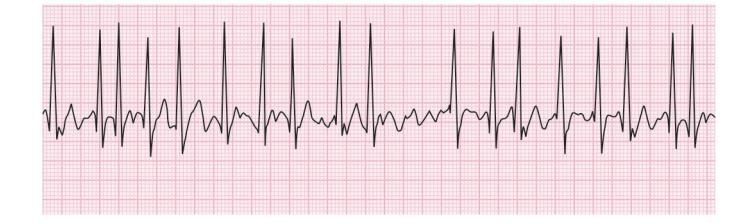
VVK15-013
What is your diagnosis?
Answer
No model answer in source material.
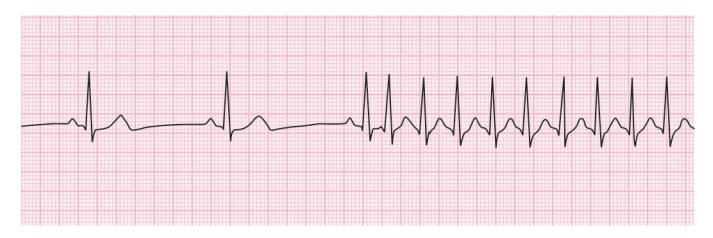
VVK15-014
What is your diagnosis?
Answer
No model answer in source material.
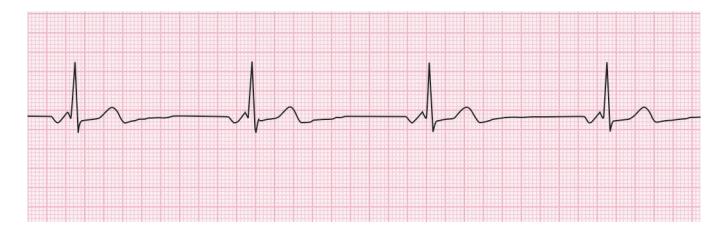
VVK15-015
What is your diagnosis?
Answer
No model answer in source material.
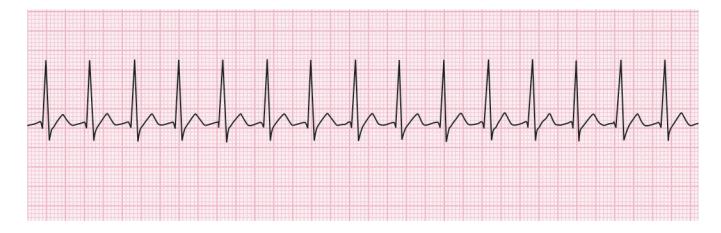
VVK15-016
What is your diagnosis?
Answer
No model answer in source material.
VVK15-017
What does this indicate?
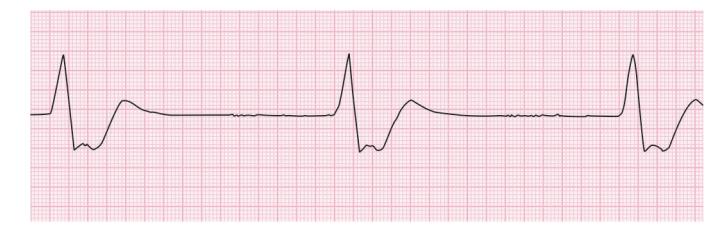
Answer
No model answer in source material.
VVK15-018
What is the most common cause?
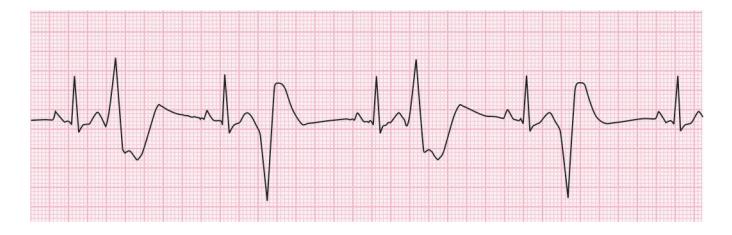
Answer
No model answer in source material.
VVK15-019
What is the diagnosis?
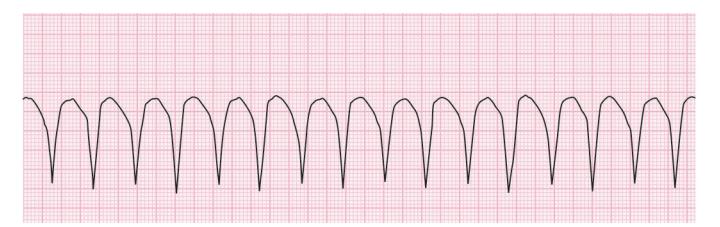
Answer
No model answer in source material.
VVK15-020
What is the diagnosis?
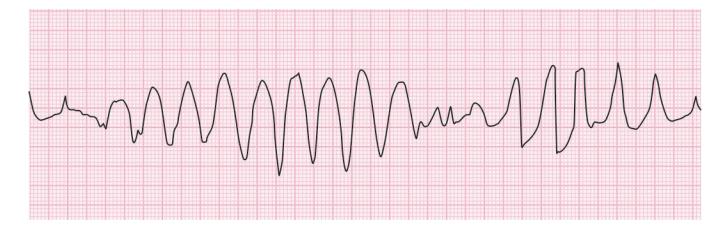
Answer
No model answer in source material.
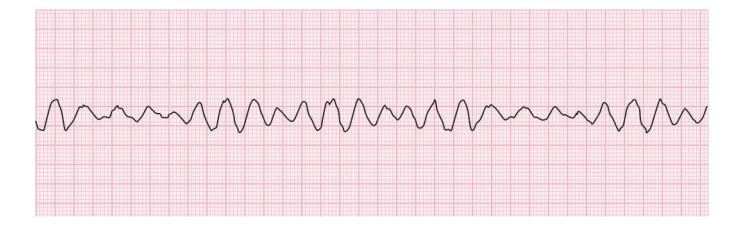
VVK15-021
What is the treatment?
Answer
No model answer in source material.
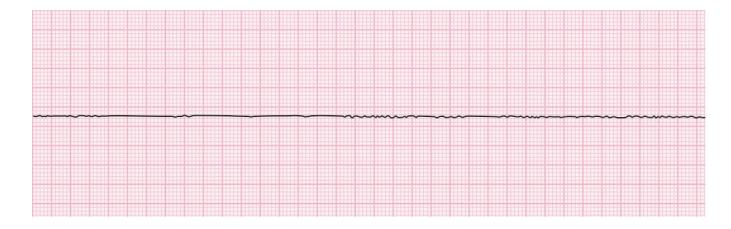
VVK15-022
Could the child be alive?
Answer
No model answer in source material.
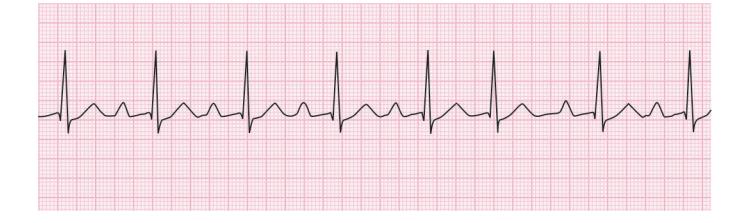
VVK15-023
Is this ECG normal? Why?
Answer
No model answer in source material.
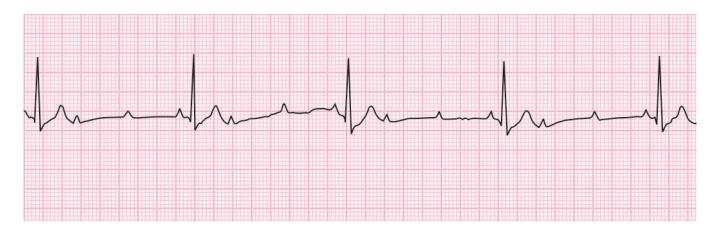
VVK15-024
What is the diagnosis?
Answer
No model answer in source material.
VVK15-025
What is the diagnosis?
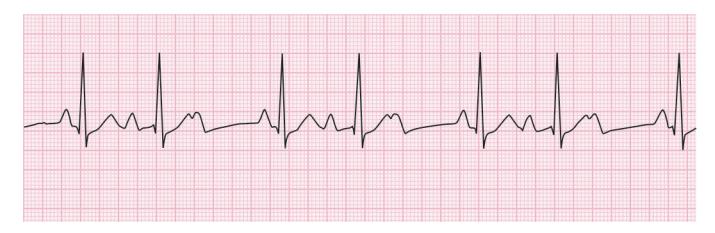
Answer
No model answer in source material.
VVK15-026
What is the diagnosis?
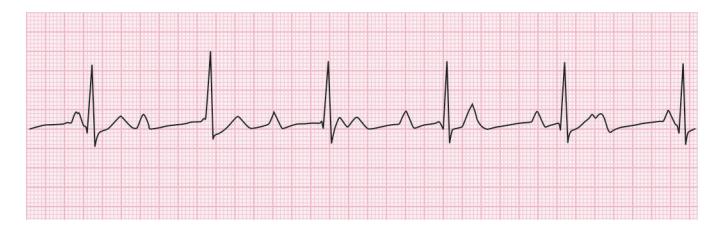
Answer
No model answer in source material.
VVK15-027
What is the diagnosis?
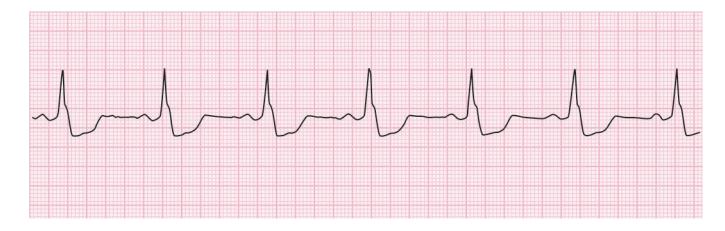
Answer
No model answer in source material.
VVK15-028
What is abnormal with this ECG?
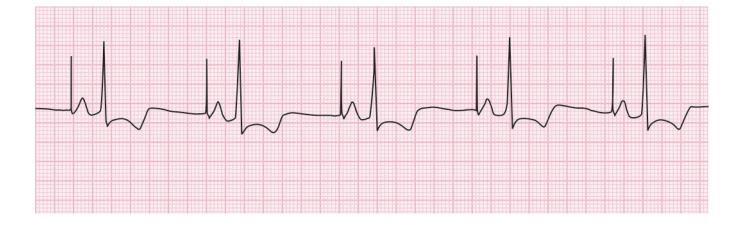
Answer
No model answer in source material.
VVK15-029
What is the diagnosis?
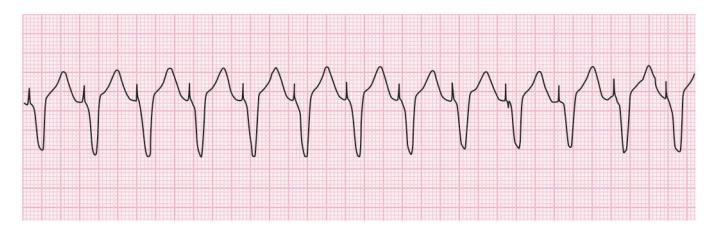
Answer
No model answer in source material.
VVK15-030
Healthy child has this ECG. What is the possible cause?
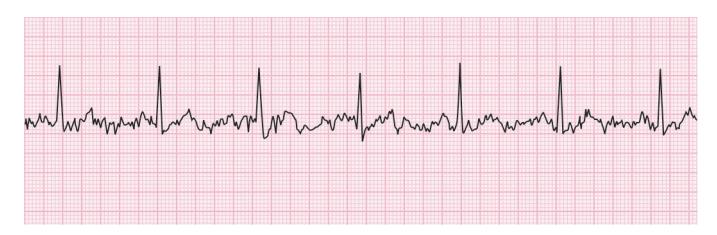
Answer
No model answer in source material.
VVK15-031
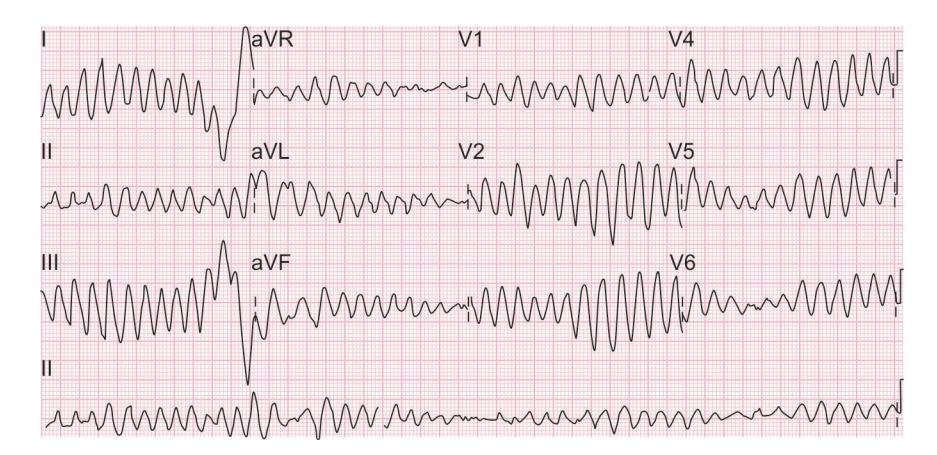
A 8-year-old male is brought with history of sudden onset giddiness and fall, from which he recovered in a few seconds. His clinical examination was noted to be normal and his ECG is attached below.
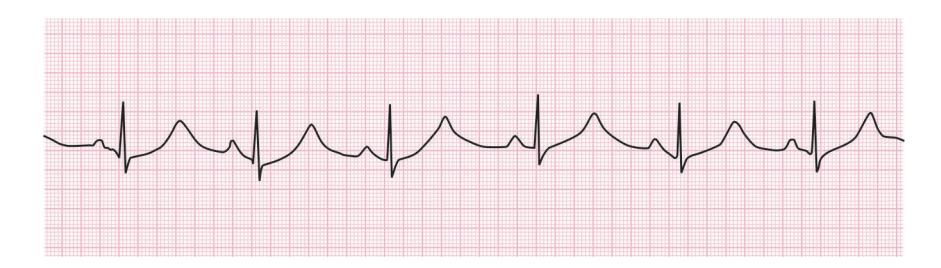
a. Identify this ECG.
b. What is the complication associated with this condition?
c. What is the drug of choice for this diagnosis?
d. Enlist 2 non-pharmacological treatments for the same.
Answer
No model answer in source material.
VVK15-032
Match the following.
| Inherited condition | Heart abnormality | ||
|---|---|---|---|
| a. | Down syndrome | i. | Supravalvular aortic stenosis |
| b. | Turner syndrome | ii. | Hypertrophic cardiomyopathy |
| c. | DiGeorge syndrome | iii. | Cardiac rhabdomyoma |
| d. | Marfan syndrome | iv. | AVSD |
| e. | William syndrome | v. | Coarctation of aorta |
| Contd.. | |||
| Contd.. | |||
| f. Tuberous sclerosis vi. Dissecting aortic aneurysm | |||
| g. Pompe disease vii. Aortic arch abnormality |
Answer
No model answer in source material.
VVK15-033
ECG diagnosis.
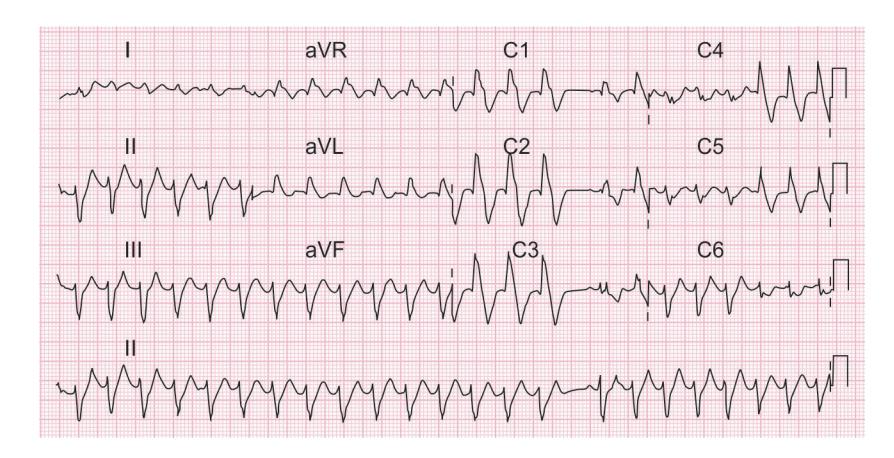
a. What is the ECG diagnosis? Patients' pulse cannot be palpated
b. What is the immediate management after initial stabilization?
c. List four etiological causes of pulseless electrical activity (electricalmechanical-dissociation).
Answer
No model answer in source material.
VVK15-034
Please write the ECG event (waves and intervals) related to following cardiac event.
For example, p wave—atrial depolarization:
a. Ventricular depolarization.
b. Ventricular repolarization.
c. Start of atrial depolarization to start of ventricular depolarization.
d. Pause in ventricular activity before repolarization.
e. Total time taken by ventricular depolarization and repolarization.
Answer
No model answer in source material.
VVK15-035
You examine a 4-month-old infant in your OPD. Baby was born at term to a primigravida mother with no antenatal concerns. The pediatrician hears a continuous murmur at the upper left sternal border. The peripheral pulses in all extremities are full and show widened pulse pressure.
a. Which is the most likely diagnosis?
b. Name a congenital infection which may be associated with this problem.
c. What is the treatment for this infant?
d. List two other causes of continuous murmur.
a. What is the most likely diagnosis?
b. List three common syndrome/associations which can be associated with this condition.
c. What is the characteristic ECG finding of this condition? The child has been stabilized in the emergency room.
d. What is the surgical treatment for this abnormality?
a. What is the diagnosis?
b. What is the treatment?
Answer
No model answer in source material.
VVK15-036
A 10-year-old female child presents to pediatric OPD with decreased exercise tolerance. She is noted to have a grade three ejection systolic murmur best heard at the left upper sternal border and a grade three mid diastolic murmur at the lower left sternal border. The second heart sound is widely split and fixed. A right ventricular impulse is palpated.
a. What is the most likely diagnosis?
b. List 3 ECG finding of the commonest type of this abnormality.
c. What is the definitive treatment of this abnormality?
d. Is prophylaxis for infective endocarditis indicated?
e. Name the syndrome associated with this heart condition caused by abnormality of the chromosomal 12.
Answer
No model answer in source material.
VVK15-037
An 8-year-old child is seen by a pediatrician for a murmur. The pediatrician hears a loud systolic ejection murmur with a prominent systolic ejection click. The murmur decreases with the Valsalva maneuver. Both murmurs are heard best at the upper right sternal border.
a. What is the most likely diagnosis?
b. What is the ECG finding of this condition?
c. What is the treatment for this abnormality?
d. Name two conditions in which the murmur increases with the Valsalva maneuver.
Answer
No model answer in source material.
VVK15-038
A sick 4-year-old is admitted in PICU for bilateral pneumonia. He is nil by mouth and is on ringer lactate. His electrolytes reveal Na 132 and K 8.5. An ECG is ordered.
a. Enlist 4 ECG findings you would expect in this child.
b. Enlist 3 steps in managing this patient.
c. Outline the importance of interpretation of trans tubular potassium gradient (TTKG).
Answer
No model answer in source material.
VVK15-039
An 8-month-old female infant presents to pediatric OPD with complaint of poor weight gain. She had 3 episodes of LRTI in past 3months. On examination, there is a pansystolic murmur heard over the left lower sternal border accompanied by a thrill.
a. What is the most likely cardiac diagnosis?
b. Enlist two differential diagnosis of pansystolic murmur.
c. What is the most common type based on location of the defect?
d. If this baby develops an associated early diastolic murmur with bounding pulses, what is the most likely location of the lesion?
e. Is a loud harsh, holosystolic murmur with thrill along the left lower sternal border suggestive of a large lesion in the diagnosis given above?
f. Lack of cardiac enlargement in a left to right shunt signifies the shunt is:
i. <2:1
g. A mid diastolic murmur at the mitral area suggests a shunt of:
i. >1.2:1
Answer
No model answer in source material.
VVK15-040
Match the following:
| Cardiac abnormality | JVP abnormality | ||
|---|---|---|---|
| a. b. c. d. |
Pulmonary stenosis Complete heart block Tricuspid regurgitation Constrictive pericarditis |
• Cannon a wave • Giant a wave • Steep y descent • Large v wave |
Answer
No model answer in source material.
VVK15-041
Given below is the chest X-ray of a neonate.
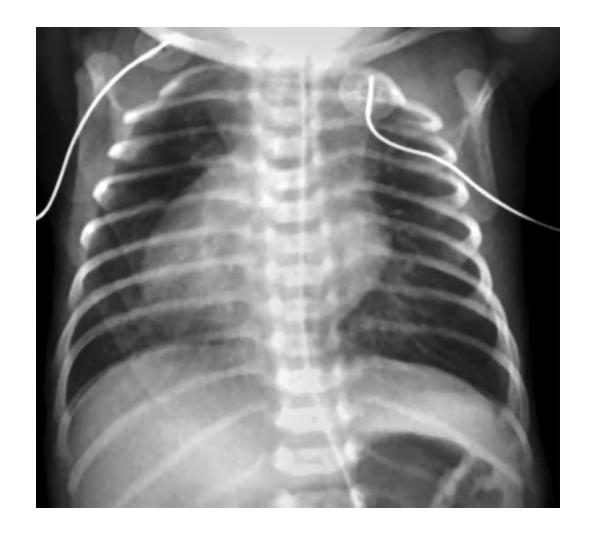
a. What is the most likely radiological diagnosis?
b. List two ECG findings associated with this diagnosis.
c. What should be the placement of pads while defibrillating this patient?
Answer
No model answer in source material.
VVK15-042
True false
Physiological (innocent) murmurs.
a. Are heard in a small minority of children.
b. Characteristically change in intensity with the position of the patient.
c. Are more common in infants, who are small for their gestational age.
d. May be associated with a thrill.
Answer
No model answer in source material.
VVK15-043
Cardiac device.
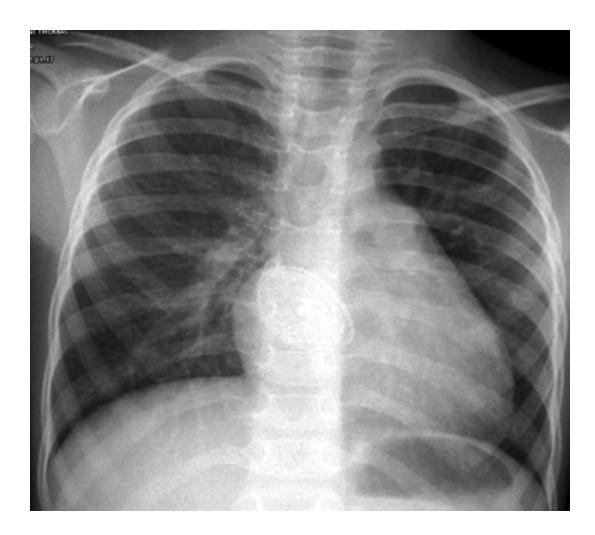
a. Identify the procedure, where the device shown in this X-ray is used.
b. List two indications of this procedure.
c. What is the long-term non-cardiac complication, which may occur, if the device is not placed in asymptomatic children?
Answer
No model answer in source material.
VVK15-044
Cardiac device.
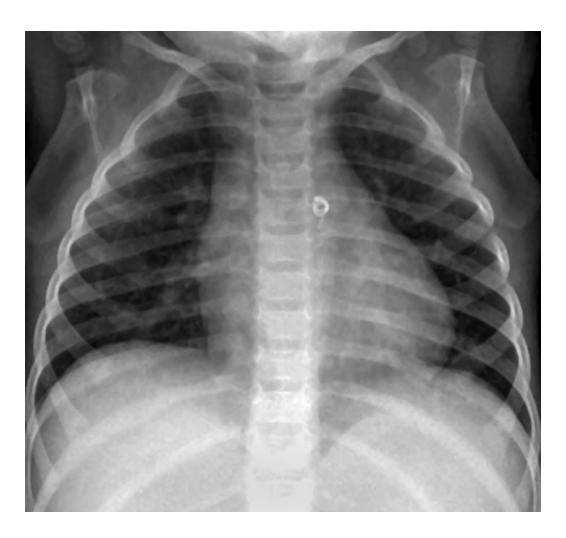
a. Identify the procedure, where the device shown in this X-ray is used.
b. List five complications, which may occur, if the device is not placed in children with the above diagnosis.
a. Prolonged QT syndrome.
b. Torsades de pointes (polymorphic ventricular tachycardia).
c. β blocker-propranolol:
d. Pace maker
a. Ventricular tachycardia, immediate treatment.
b. Defibrillation.
c. Hyperkalemia, hypothermia, hypovolemia, tension pneumothorax, hypoxia, pericardial tamponade, toxins, pulmonary thromboembolism.
a. QRS complex
b. T wave
c. PR interval
d. ST segment
e. QT interval.
a. Patent ductus arteriosus
b. Congenital rubella infection
c. Surgical/coil ligation
d. Aortico pulmonary window defect:
a. Tetralogy of Fallot (cyanotic spells).
b. Down syndrome:
a. Torsades de pointes
b. β-blocker-propranolol
a. ASD
b. RAD
c. Device closure/surgical closure.
d. Not indicated.
e. Holt Oram syndrome.
a. Aortic valve stenosis.
b. LVH with strain pattern (inverted T wave in left precordial leads).
c. Balloon valutoplasty or aortic valve replacement.
d. Hypertrophic obstructive cardiomyopathy and mitral valve prolapse.
c. (K) Urine × Plasma osmolality ___________________________________________________
a. VSD
b. MR TR
c. Membranous
d. Supracristal region
e. No
f. <1.75:1
g. >2:1
a. Dextrocardia with situs solitus.
b. Inverted P wave.
a. False
b. True
c. False
d. False.
a. ASD device closure
b. All symptomatic patients: Asymptomatic patients with a Qp : Qs ratio of at least 2 : 1
c. Paradoxical (right to left) systemic embolization.
a. PDA coil closure
b. Cardiac failure:
Answer
No model answer in source material.