MNJ28-001
Peripheral smear:
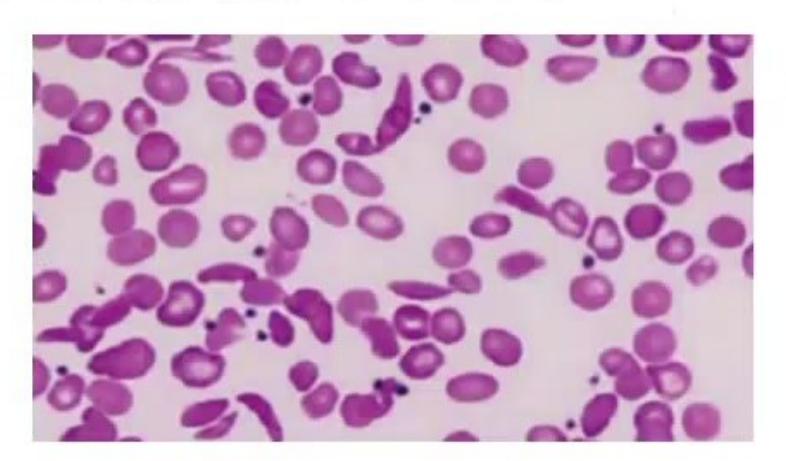
- What is the diagnosis of this PBF?
- What is the drug of choice for the prevention of painful episodes in this?
- What are measures for the primary prevention of stroke in these children?
- What are the antibiotics of choice in acute chest syndrome?
- What type of renal malignancy is common in this disorder?
Answer
No model answer in source material.
MNJ28-002
A 6-month-old boy Hritik presents with pallor, tri-phalangeal thumbs and mild hepatosplenomegaly. Hb: 7 g%, MCV: 100 fl, reticulocyte count: <1%, peripheral smear: Normocytic to macrocytic RBCs, normal WBCs and platelets. Vitamin
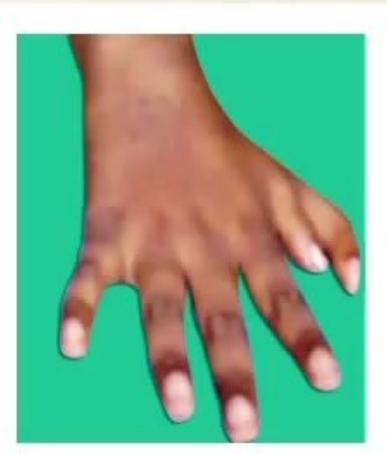
- What is the diagnosis?
- What is the underlying defect?
- What is the closest differential diagnosis?
- Give two points to differentiate them.
- Name at least one malignancy it can predispose to.
Answer
No model answer in source material.
MNJ28-003
An 8-year-old boy Tarun with fever and cough since 2 months, breathlessness since 14 days is being treated with anti-tuberculous drugs since the last 1.2 months without relief. Give the differential diagnosis of mediastinal widening in anterior, middle and posterior mediastinum.
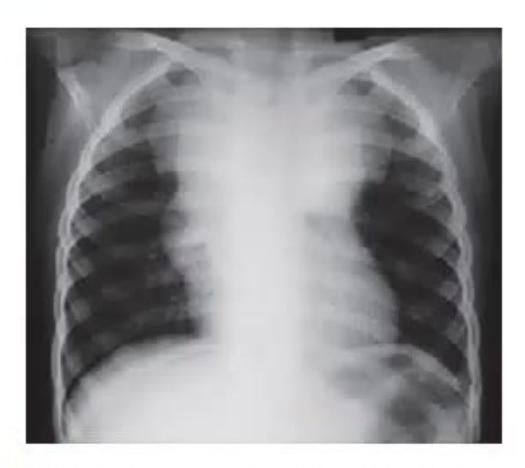
Answer
No model answer in source material.
MNJ28-004
A 10-year-old male child Dinesh presents with pallor, fatigue and hepatosplenomegaly one month. His CBC shows pancytopenia (shown below):
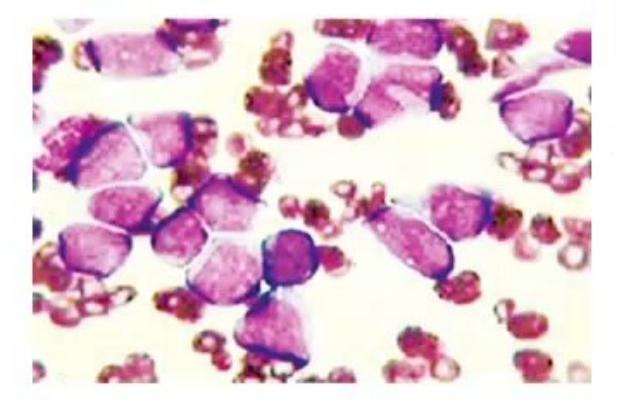
- Whats the bone marrow diagnosis?
- Give five poor pronostic factors associated with this condition?
Answer
No model answer in source material.
MNJ28-005
A 3.5-month-old infant Rakesh exclusively breastfed presents with loose motions since early neonatal period. On examination, he is pale and is failing to thrive. His CBC shows a decrease all cell lines. His blood sugar is 280 mg/dl:
- What is the most likely diagnosis?
- Which 2 investigations will clinch the diagnosis?
- What is the treatment of this condition?
Answer
No model answer in source material.
MNJ28-006
A 11-year-old boy Lalu, case of hemophilia A, is admitted with pain and swelling in the right knee joint after in mild injury in the knee joint while playing but you examine the child and found that knee swelling appears like hemarthrosis:
-
i. Level of factor VIII to be achieved
-
- Dose of factor VIII
-
i. Level of factor VIII to be achieved
-
- Dose of factor VIII
- What is the level of factor VIII in this child?
- Factor VIII in treatment:
i. Level of factor VIII to be achieved - Dose of factor VIII
- The patient has to undergo major surgery
i. Level of factor VIII to be achieved - Dose of factor VIII
- What are the other precautions?
- What is the role of DDAVP in hemophilia A?
Answer
No model answer in source material.
MNJ28-007
A 10-year-old boy Nithish is tested for sickle cell disease preoperatively. His father is known to have sickle cell trait. Results—Hb 9.1 g/dl, RBC—6.5 lacs, MCV—64 fl, MCH—21.1 pg, MCHC—30.1 g/dl, sickle test positive, HbS—70%, HbA—22.5%, HbA2—4.6%, HbF—3.5%, serum ferritin—18 µg/L:
- What hemoglobinopathy does the boy have?
- What hemoglobinopathy do you expect on testing the mother?
Answer
No model answer in source material.
MNJ28-008
A 4-year-old girl Ritu with a solid tumor around eye and has developed a periorbital hemorrhage shown below:
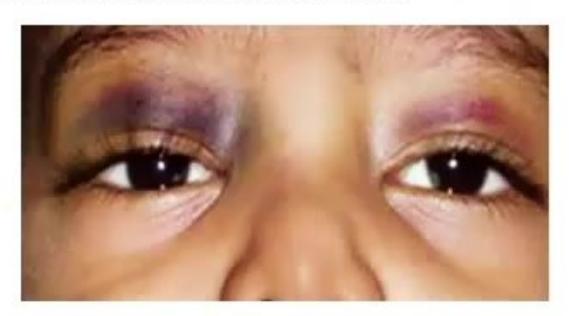
- Name the tumor and the eye finding.
- Name any two conditions associated with this tumor.
Answer
No model answer in source material.
MNJ28-009
A 6-day-old neonate with birth asphyxia was referred to the hematology services for a very high WBC count in the range of 78,000, the platelet count being 6.7 lacs. Sepsis in the newborn was ruled out. The baby was cyanosed on examination but all other examination is normal.
- What is the most likely diagnosis?
- Is the condition primary or secondary?
- Name tests to be performed to prove your diagnosis.
Answer
No model answer in source material.
MNJ28-010
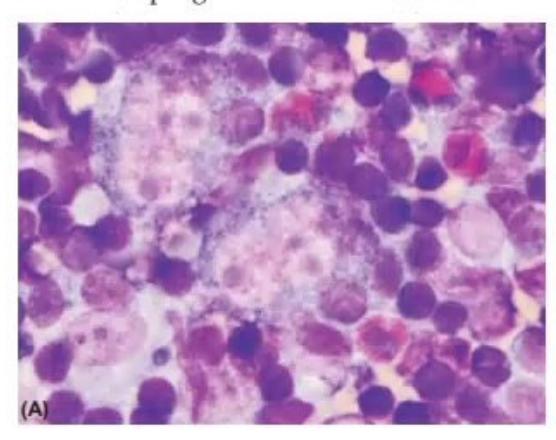
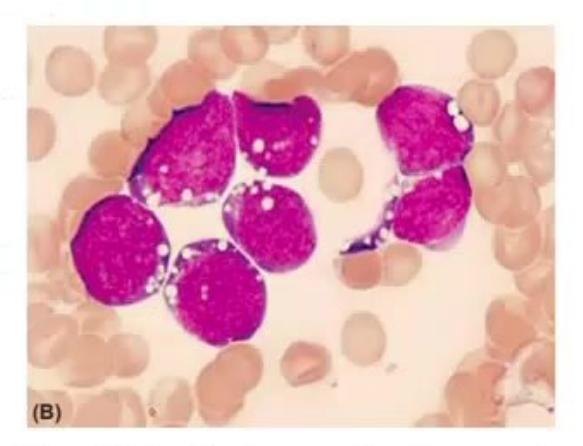
- Diagnosis of slide A and B.
- What are symptom "B" in disease of slide A.
- What 1s prognosis for disease in slide A.
Answer
No model answer in source material.
MNJ28-011
Male infant brought to hospital on day 7 of life with bleeding from stool and hematuria as well as epistaxis. All other examination of this child appear normal. Child was apparently normal and taking breastfeeds till today morning. No fever, distress, altered sensorium. Baby born by NVD and cried immediately and on exclusive breastfeeds from birth. After collecting appropriate sample, FFP was given. On Investigations, Hb 7.2 g/dl, WBC: 10300, N: 44, L: 55, platelets 2,00,000, PT: Prolonged, INR: Prolonged, aPTT: Prolonged. FDP: Normal, fibrinogen level: Normal:
- 4, Which coagulation factor now days not exist?
- Whats most likely cause?
- What further treatment option with formulations and dose?
- Enumerate factors of "extrinsic and common pathway" of coagulation cascade.
Answer
No model answer in source material.
MNJ28-012
A 6-year-old healthy girl Meenu presented with a sudden onset of a petechial rash all over the body. Gradually increasing over last two days. She also developed epistaxis from left nostril and bleeding from gums while brushing today morning. She is active and playful. She has no history of fever, taking any medications or ingestion. She has bee normal till now with no significant medical past history. On examination, there is no pallor, lymphadenopathy or hepatosplenomegaly. Hb: 10.2 g/dL, WBC: 6400, N: 34, L: 55, M: 7, platelet count: 16000, no abnormal cells on peripheral smear. PT and aPTT: Normal:
- What 1s diagnosis of this condition?
- What immediate treatment you will start if financial issue not concerned?
- Is there role of antibiotic?
- Write down cause of thrombocytopenia with small size of platelet.
- Write down cause of functional disorder of platelet.
Answer
No model answer in source material.
MNJ28-013
A 7-year-old male child Prashant presents with orbital swelling as shown in picture along with fever, loss of weight, anemia, HSM and rash over body since last 10 days. On examination his energy level is very low and he is feeling tired:
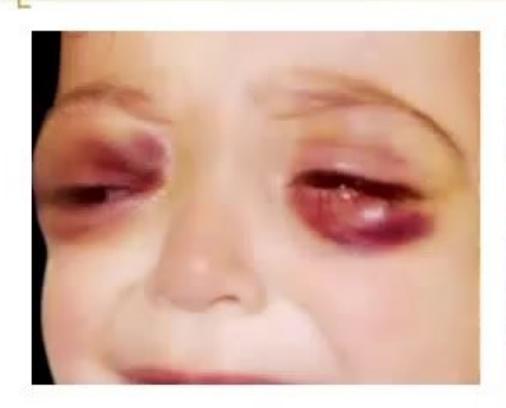
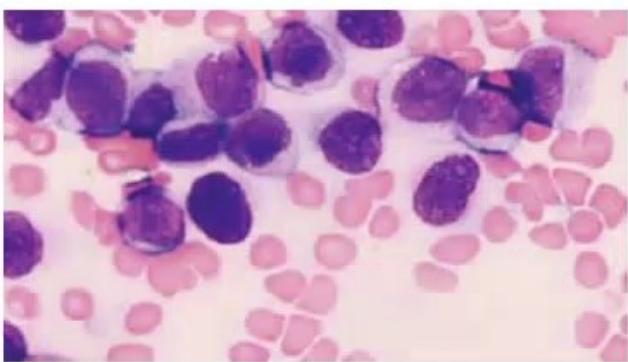
- What 1s probable diagnosis?
- What 1s specific finding in PBF shown below?
- What is skin condition associate with this disorder?
- What translocation occur in this?
Answer
No model answer in source material.
MNJ28-014
Match the following:
- e Hypothyroidism
- f Pyropoikilocytosis
- Microcytic with low reticulocyte
- Microcytic with high reticulocyte
- Macrocytic with low reticulocyte
- Macrocytic with high reticulocyte
- Normocytic with low reticulocyte
- Normocytic with high reticulocyte
a. Renal failure
b. Dyserythropoietic anemia III
c. Lead poisoning
d. HUS
Answer
No model answer in source material.
MNJ28-015
**A 1.5-month-old male child Raju presents with complaints of severe pallor, snub nose, hypertelorism, tri-phalangeal thumb and absent radial pulse:
- What is probable diagnosis?
- What is status of HbF in this aptient?
- What are important differential diagnoses?
- What is treatment?
Answer
No model answer in source material.
MNJ28-016
True/False:
- Physiological anemia of infancy is not need treatment in term baby.
- Upregulation of EPO presents in this condition
- In preterm baby it presents early than term.
- Premature infant need EPO, protein, vitamin E as treatment.
Answer
No model answer in source material.
MNJ28-017
True about iron def anemia:
- Pallor is visible at Hb level <9 mg/dl
- WBC and platelet counts are high
- Erythrocyte zinc protoporphyrin level is >80 µmol/mol is diagnosis of for field survey
- Serum ferritin level <12 µg/L is most useful test and not affected by liver disease
- Subjective improvement with treatment occur after 3 days
- Addition vitamin with iron syrups are useless
- Eliptocyte and cigar-shaped cells are present in PBF
Answer
No model answer in source material.
MNJ28-018
A 7-year-old male child Radhay presents with complaints of fatigue and exercise intolerance since last one month. He had history exchange transfusion at neonatal period and gall stone removal last year. On examination pallor, splenomegaly present. Blood test show—low Hb, normal MCV, MCHC: 37 g/dl:
- For which infection and acute complication this child is susceptible?
- What are possible long-term complications in this disease?
- What cell you will found in PBF and what are other causes of this cell in children?
- What 1s diagnosis test?
- What 1s recent guideline for splenectomy in this disease?
Answer
No model answer in source material.
MNJ28-019
A 6-year-old male child Gopal presents with fever since 7 days. He is a known case of sickle cell disease. On examination, temperature = 102°F, BP: 88/44 mm Hg. On blood test WBC: 30,000/mm3, Hb: 5.5 g/dl:
- Is this child need admission or daycare?
- What scale you will use to determine the pain intensity mn children with sickle cell disease?
- What are recent advances to reduce pain in these children?
- What are treatment modalites for priapism in SCD?
- What 1s modality to diagnosis SCD in newborn?
Answer
No model answer in source material.
MNJ28-020
What are false statements about heredity methemoglobinemia?
- Met Hb is due to def of NADH—cytocrome b 5-reductase.
- Cynosis is visible when level >0.5 ¢/24 hours
- Daily oral ascorbic acid (200-500 mg/day is TOC as long-term therapy.
- Regular use of vit C associated with high chance of renal stone formation.
- Another treatment option 1s methylene blue and that can be use in patient of G6PD deficiency.
Answer
No model answer in source material.
MNJ28-021
True/False about thalassemia syndrome:
- Even there is severe anemia, reticulocytopema is present.
- Before start of transfusion, RBC phenotype should be obtamed.
- Plasma non-transferrin bound iron (NTBI) is most likely responsible for serious iron toxicity.
- Quantitative iron by liver biopsy is standard method to see the iron store but T; MRI 1s also useful nowadays
- CHF and arrhythmias are causes of death.
Answer
No model answer in source material.
MNJ28-022
A 6-year-old previously asymptomatic child Vedprakash admitted in hospital with complaints of sudden onset of jaundice and red color urine since 3 days. On examination, he was pale, icteric. He gave history of cough and cold 4 days back for that she took aspirin:
- What 1s possible diagnosis?
- What are other drug that can precipitate this?
- What 1s inheritance of this disease? Can this present in female children also?
- What is diagnosis test and what is diagnosis value?
- What picture in PBF you will see?
Answer
No model answer in source material.
MNJ28-023
A 5-year-old male child Hritik presents with complaints of short stature. On examination, he has absent radius, 4 café au lait spot over body, epicanthic fold, severe pallor. Blood test show decrease all cell lines. Bone merrow done that show hypocellular bone marrow:
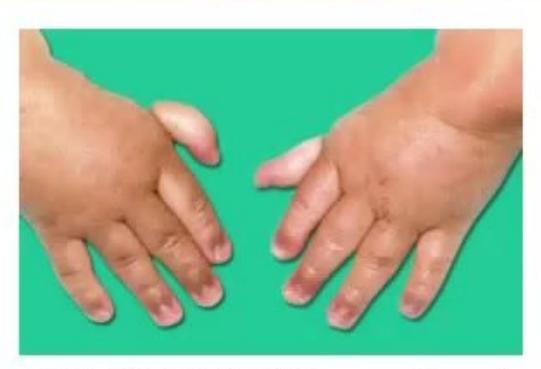
- What 1s possible diagnosis?
- Whats specific test to diagnosis of this disease?
- What are causes of pancytopenia with cellular marrow?
- What are complications in future of this disease?
- What treatment you will advice?
Answer
No model answer in source material.
MNJ28-024
Mother of a 11-year-old female child Radhika complaints that abnormal pigmentation atneck that start 5 months back followed by abnormal nail change. Picture of child given below:
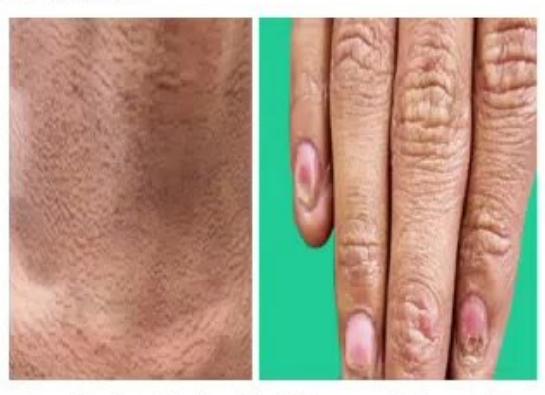
- What is this condition diagnosis?
- What is characteristic triad?
- Which 1s most common finding on clinical examination?
- What are possible complications?
- What treatment option available?
Answer
No model answer in source material.
MNJ28-025
A 6-year-old farmers son Raju admitted with complaints of fever, ecchymosis over body and fatigue from last 15 days. His father told that he spend around 5-6 hours per day at farm and history of pica present. On examination, lymph node +, 2 cm hepatomegaly + only. Blood test show pancytopenia (Hb: 5 g/dl, ANC: 450/mm'*, platlet: 18000/mm/*:
- 4, What is treatment option available?
- Whats diagnosis and what are gardes?
- What virus can cause this disease?
- What are flow cytometry findings in one differential diagnosis kept as PNH?
- What are future complications in view of malignancy?
Answer
No model answer in source material.
MNJ28-026
A 14-year-old girl presents with history of excessive menorrhagia. She has history of excessive postoperative bleeding at 9-year-old age when incision was given for removal of boil. her blood test show—increase BT, increse aPTT. Other test are normal:
- What 1s diagnosis of this condition?
- Is there important to know blood grouping of child in this disease and why (other than need of BT)?
- What 2 important tests you will order to definitive diagnosis of?
- What 1s treatment available?
Answer
No model answer in source material.
MNJ28-027
A 4 years old male Rohit presents with history of 2 weeks abdominal discomfort, poor appetite and weight loss. No significant past and family history present. There is no urinary symptoms, fever or other abdominal symptoms. His development and school performance are good. On examination you palpate a 4 cm radius lump at left side of abdomen. Other systemic examination is normal.
- What are three most helpful investigation to reach the diagnosis with 2 possible differential diagnosis?
- What is role of doing urine R/M if this patient have possible renal tumor?
- What are prognostic factor for wilms tumor (write 4)?
- What is nephrogenic rest and what there relation with wilms tumor?
Answer
No model answer in source material.
MNJ28-028
A 5-year-old child Raju is on chemotherapy for ALL. He is on following medicine—methotrexate, cyclophosphamide, doxorubicin, l asparaginase, ondansetron, domperidone, ganciclovir, amphotericin B, vancomycin, cefriaxone
Match the following side effect with responsible medicine
- Hemorrhagic cystitis
- Acute dystonic reaction
- Derange clotting profile
- Hypokalaemia
- Flushing
- Magaloblastic anemia
- Cardiomyopathy
Answer
No model answer in source material.
MNJ28-029
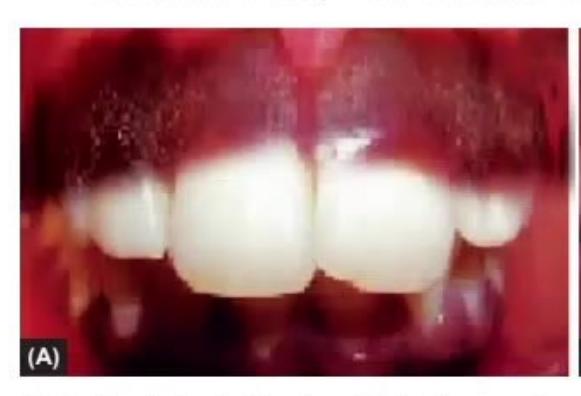
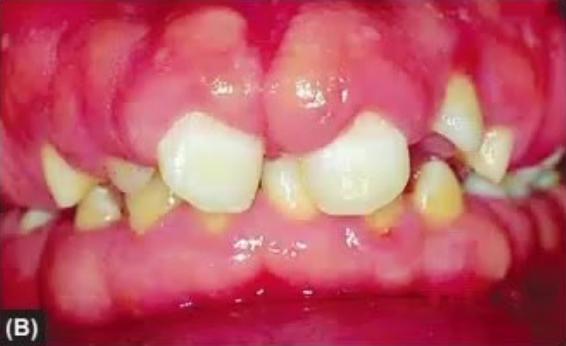
- What are clinical finding in these images A and B?
- What is cause of these (write two causes of each)?
Answer
No model answer in source material.
MNJ28-030
Read the following clinical scenarios and write the cases among the list of drugs-Heparin, prednisolone, penicillin, Aspirin, co-trimoxazole, hydroxyurea, ketaconazole, phenytoin, Naproxon.
- 13 years old girl Reeta is on anticonvulsant drug for 1 year. On examination she had pallor. CBC showed MCV 110 fl.
- A 7 years old boy ram with sickle cell disease was started on a particular drug treatment. CBC on follow up showed MCV of 118 fl
- 10 years old boy raj was came in OPD after 6 days of cardiac valve repair surgery. You notice petechiae on neck and order a CBC examination. That showed platelet count of 60000.
- A3 years old girl rani is on VUR prophylaxis therapy since 6 month of age. Presented with URI and you order blood test. Hb 8 g/dl, TLC 2000/mm', Platelet 65000.
Answer
No model answer in source material.
MNJ28-031
A7 years old boy Reftar admit in hospital with complaints of black urine since 1 day. On examination he is looking pale. His father given him a aspirin tab for headache yesterday. Investigation showed acute intravascular hemolysis. You order G6PD level that is low.
- What will be level of haptoglobin and methaemoglobin level in this child
- What you will get in peripheral blood film
- What 1s peripheral blood film finding after splenectomy
- What you will do in situation of hemolytic crisis in G6PD patient
Answer
No model answer in source material.
MNJ28-032
A 3 years old boy Gaurav Garg brought with history of easy bruising followed by excess bleeding. He had history of bleeding form umbilical cord also. Both parents are healthy. You noticed the bruises over shin of the child. Blood test showed normal platelet count and BT. Prolonged activated partial thromboplastin time (APTT).
- What 1s probable diagnosis
- How will you classify severity of this disease
- Inhistory you found that mother s sister s son have same problem but maternal uncle s son are healthy. Why?
- Whats use of AMICAR (epsilon amino caproic acid) in hemophilic patients.
Answer
No model answer in source material.
MNJ28-033
Match the following
-
- Anemia of chromic disease
- ii. Iron deficiency anemia
- iii. Beta thalassaemia
- iv. Sideroblastic anemia
- Serum iron low, TIBC high, Transferrin saturation 10%, ferritin low
- Serum iron normal, TIBC normal, Transferrin saturation 30% (normal), ferrritin slight increased
- Serum iron high, TIBC low, Transferrin saturation 100%, ferrritin high
- Serum iron low, TIBC low, Transferrin saturation 30%, ferrritin high
- Anemia of chromic disease
Answer
No model answer in source material.
MNJ28-034
A 4 years old boy Samay presented with complaints that her mother noticed swelling in abdomen during bath. He has no other symptoms and no significant past history is present. On examination no anemia, jaundice, LAP were present. His height and weight appropriate for age and his developmental and immunization status is normal for age. In abdomen there is 12 cm diameters smooth, firm mass present at right side. His BP is 116/76 mim Hg. His investigation showed RBC in urine and USG abdomen showed a mass arising form kidney without calcification.
- What 1s commonest malignant and non-malignant mass 1n children?
- What are DD im this case (any two) and what is possible diagnosis?
- What complication present in this child and what 1s pathology behind that?
- Name 3 syndrome associate with your diagnosis.
- What is prognosis in this case?
Answer
No model answer in source material.
MNJ28-035
Monika a 9 years old child present with a lump in left side of her neck since one month. She has had no fever, night sweat and weight loss. on examination BCG scar is present and a3 cm diameter mobile lump present on examination on left side of neck. She had history of cold that lasted for 2 days 1 month back without any fever. His investigation
showed Hb 10.7 g/dl, Normal TLC and platelet. CRP is 12 mg/dl and ESR is 25 mm/hour. Paul-Bunnell test is negative and X-ray chest is normal.
- What are DD in this case (any 5) (before mvestigation result)
- What treatment you will advice at first visit
- What 1s most likely diagnosis (after seemg mvestigation) We whe
- What you will do if after 10 days of treatment lump size remain same
- What level of protection BCG vaccine provide for tubercular mycobacterum and nontubercular mycobacter1um.
Answer
No model answer in source material.
MNJ28-036
Amita a 6 years of female child who has leukemia completed her 2nd course of chemotherapy 8 days back. After staying 2 month in hospital 8 days back, now she was at home. Whole family now suffering from viral illness. In emergency you saw the patient, she is febrile and her central line site was also inflamed. Other systemic examination was normal.
ANSWERS
- Ans. 1. 1. Sickle cell anemia.
-
- Hydroxyurea.
- Transcranial Doppler—blood velocity of ICA
Time averaged mean maximum blood flow (TAMM) is more than 200 cm/sec to
maintain HbS levels less than 30% -
- Third generation cephalosporin.
-
- Renal medullary carcinoma.
-
- Ans. 2. 1. Diamond-Blackfan syndrome.
- Decrease in number and function of erythroid precursors with probable insensitivity to EPO.
-
- TEC (transient erythroblastopenia of childhood).
- Age of onset (TEC usually beyond 6 months), MCV (normocytic in TEC), history
of preceding viral infection (present in TEC), HbF and ADA (both increased in
DBA). -
- AML, MDS, osteosarcomas.
Ans. 3. Anterior medistinum:
- · Lymphoid tumors, NHL, HD, ALL
- · Thyroid tumors
- · Thymoma
- · Bronchogenic cysts, aneurysm, lipoma
Middle mediastinum:
- LN masses
- Teratoma
- Angioma
- · Diaphragmatic hernia, pericardial cyst, bronchogenic cyst, esophageal lesions
Posterior mediastinum:
- Neurologic tumors (neuroblastoma, ganglioneuroma)
- Lymphoma
- RMS
- · Ewing's sarcoma
- · Bronchogenic cysts, enterogenous cysts, thoracic meningocele
Ans. 4. 1. AML
- WBC > 100000/mm3
- Monosomy 7
- · Secondary AML
- FLT3 ITD
- · MRD presents after induction
Ans. 5. 1. Pearson marrow pancreas syndrome
-
Macrocytic anemia with increased HbF ringed sideroblasts with vacuolization of marrow precursors (erythroid and granulocytic series)
-
Ans.6. 1 . <55%
- 2 . Factor VIII 1n treatment
- 1 35-40%
- u. 20 units/kg, repeat daily if required till joint normalises
- 3 . Dose in major surgery
- 1 100%
-
- 50 umts/kg, infuse 2-3 units/kg/hr to maintain level at 100%for 24 hrs and then >50% for 7 days
- 4 . Precautions
- 1 Avoid anti-inflammatory drugs with anti-platelet action
- u. Screen for transfusion transmitted diseases if plasma products are used
- 5 . Desmopressin acetate: Release of factor VIII in mild cases
- 2 . Factor VIII 1n treatment
-
Ans. 7. 1. Sickle cell beta + thalassemia
-
- Beta + thalassemia
-
Sickle cell disease—HbS, no HbA, HbF variable: 15%
Sickle trait—HbS 25-45%, HbA
Beta thalassemia trait—HbA, HbA? > 3.5% +/— HbF.
Beta thalassemia major—HbaA virtually absent, HbF majority, HbA2 vnable low / normal raised. Sickle thalassemua—Hb5, HbF +/- HbA.
-
Ans. 8. 1. Neuroblastoma and raccoon eyes
- 2 . Neurofibromatosis
- * Hirschsprung's disease with aganghomnic colon
- Pheochromocytoma in family
- Fetal hydantoin syndrome
- Fetal alcohol syndrome
- Nesidioblastosis
- 2 . Neurofibromatosis
-
Ans.9 1. Polycythemia vera
- 2 . secondary
- 3 . CBC including differential WBC
- * To diagnose secondary polycythemia
- * Arterial O, saturation—ABG
- * Carboxyhemoglobin
- * Renal USG
- * Abdominal / cranial CT
- * leucocyte alkaline phosphatase (LAP)
- * Erythropoeitin level
- * RBC colony formation
-
Ans. 10.1. a. Reed-Sternberg cell of HL
- b. L3 type lymphoblast—Burkitt's lymphoma
- . Bsymptoms of HL—fever, night sweat, weight loss
- . Among all ALL, L3 type carry poor prognosis
-
Ans. 11.1. HDN (hemorrhagic disease of newborn)
- Vitamin K1 (phytomenadione) 1 mg/0.5 ml dose of 1 mg and vit K3 (menadione) 10 mg/ml dose of 1 mg
-
- VII/X/V/XIII/II/I
- Factors 3, 4, 6 not exist nowadays as these factors not exist as independent protein (Nelson 19th edition)
-
Ans. 12.1. ITP
-
- IVIg at a dose of 0.8-1 0 g/kg/day for 1-2 days
-
- No use
-
- Wiskott-Aldrich syndrome
-
- Bernard-Soulier/Glanzmann thrombasthenia
-
-
Ans. 13. 1. AML
-
- Myloblast with Auer rod
-
- Chloroma
-
- t8:21
-
-
Ans. 14. 1. c, 2. f, 3. e, 4. b, 5. a, 6 d
-
Ans. 15.1. Diamond-Blackfan syndrome
-
- High
-
- Fanconi anemia, TEC
-
- Steroid, HSCT
-
-
Ans. 16. 1. T, 2. F, 3. T, 4. T
-
Ans. 17. 1. F, 2. F, 3. T, 4. F, 5. F, 6. T, 7 T
-
Ans. 18.1. H. spherocytosis-AD (MCHC >36 is diagnosis of HS)
-
- Parvovirus B19, aplastic crisis
-
- Gout, myopathy, spinocerebeller degeneration
-
- Spherocyte
- Other causes of spherocyte—H. spherocytosis, ABO incompatibility, autoimmune hemolytic anemia, DIC, Burn, clostridia sepsis
- Osmotic fragility test—confirm presence of spherocyte in blood But this test is not specific for HS, can be normal in 20% patient.
- Splenectomy is treatment of choice but not advisable in patient with Hb >10 g/dL and RC <10%.
-
-
Ans. 19.1. Fever is emergency in children of SCD, low BP with high TLC suggest bacteremia so urgent admission with antibiotic needed
-
- Wong-Backer faces scale
-
- Hydroxyurea is only effective to reduce pain—dose 15-20 mg/kg/day
-
- Sitz bath, if priapism >4 hours should be treated with aspiration of blood from corpora cavernosa followed by irrigation with adrenaline.
-
- High performance liquid chromatography (HPLC).
-
-
Ans. 20. 1. F, 2. T, 3 F, 4 F, 5 T
-
Ans. 21. All true
-
Ans. 22.1. G6PD deficiency
-
- Sulfonamide, dapsone, aspirin, primaquine, cloroquine, methylene blue
-
-
Ans. 23. 1. Fanconi anemia
- Lymphocyte chromosomal breakage study by using diepoxybutane (DEB). (breakage study is specific for Fanconi)
-
- ALL, vit B12 def, SLE, Niemann-Pick disease
- Squamous cell carcinoma of head and neck (most common association—Nelson), MDS, ALL
-
- HSCT is only curative treatment.
-
Ans. 24.1. Dyskeratosis congenita
- Triad—reticular skin pigmentation of upper body, mucosal leukoplakia, nail dystrophy
-
- Lacy—reticular pigmentation at upper part of body is most common finding (90%)
-
- MDS, solid tumor
-
- Allogenic HSCT, androgen, steroid
-
Ans. 25. 1. Aplastic anemia (due to pesticides used in farm), grade—severe AA
-
- CMV, EBV, Hep B, Hep C
-
- PNH-flow cytometry shows CD55+, CD59+
-
- BMT, anti-thymocyte globulin (ATG), cyclosporine, methylprednisolone
-
- ALL, MDS, PNH
-
-
Ans. 26.1. vWD
-
- Yes, because level of vWF vary with blood grouping (type AB > B > A > O)
-
- Quantitative assay of vWF, ristocetin co-factor assay
-
- Desmopressin, FFP
-
-
Ans. 27.1. Abdomen CT, Urine r/m (wilm tumor), URINARY VMA/HVA level (for neuroblastoma)
-
- Wilms' tumor is most common diagnosis and in Wilms micro hematuria often present
- Stage of disease at diagnosis, histopathological finding (favorable or anaplastic), young age
- Nephrogenic rest are abnormal retained embryonic kidney precursor cells, they found in 33% of unilateral Wilms and 100% in bilateral Wilms
-
-
Ans. 28.1. Cyclophosphamide
-
- Domperidone
-
- Lasparaginase
-
- Amphotericin B
- Vancomycin
-
- Methotrexate
-
- Doxorubicin
-
-
Ans. 29. 1. Gum hypertrophy, hyperpigmented gum
- Phenytoin toxicity, cyclosporine toxicity Addison disease, Peutz-Jeghers syndrome
-
Ans. 30.1. Phenytoin
-
- Hydroxyurea
-
-
- Heparin (used in cardiac valve repair surgery in post op period)
- Co-trimoxazole
-
Ans. 32. PPP pp be Haptoglobin decrease and methaemoglobin increase
- Heinz bodies
- Howell-Jolly bodies
- Whole blood transfusion
-
Hemophilia A
- By testing level of factor 8 Mild if factor level in blood is >5%, moderate >1-5%, severe <1%
- ioe) . Because this is XLR disorder. All mother sister s son will have the disease but maternal uncle son will not carry the x gene of hus father.
- . Amicar 1s a chemical that can be use orally (as a pill or liquid). It prevent clot from breaking down. It often useful in bleeding from mouth after tooth has been removed because 1t blocks an enzyme in the saliva that break down the clot
-
Iron deficiency anemia
- Beta thalassaemia
- Sideroblastic anemia
- Anemia of chronic disease
| Serum iron | TIBC | Transferrin sat | Ferritin | |
|---|---|---|---|---|
| Iron def anemia | Low | High | 10% | Low |
| Chronic disease | Low | Low | 30% | Normal /high |
| Thalassaemia anemia | N/high | Normal | 30% | Normal /high |
| Sideroblastic | N/high | Normal /low | 100% | High |
Ans. 34.1. Commonest malignant mass—Wilms' tumor
Commonest non malignant mass—faeces
- Wilms' tumor and neuroblastoma, possible diagnosis in this case is Wilms' tumor.
- Child has hypertension and that 1s due to renal ischemia.
- WAGER, Beckwith-Weidemann syndrome, Denys-Drash syndrome.
- Excellence prognosis, overall cure rate of Wilms' tumor 1s 88%
- This lump is consistent with enlarge lymph node, DD may be infection-bacterial, viral, mycobacterial malignancy-Lymphoma, leukemia
- Give 10 days course of antibiotics (co amoxiclav)
- Infective reactive lymphadenitis
- Refer for lymph node biopsy
- For TB meningitis, milliary TB 80%, Pulmonary TB 50%, murmmum <10% for non-TB mycobacterium
- . 1. Complete blood count to see the WBC count
- . Febrile neutropenia, yes febrile neutropemia in a child with remission after chemotherapy 1s a emergency
- . Risk factor: Neutropenia, mucositis, indwelling catheter, poor nutrition, frequent hospitalization
- . Always admut the febrile child with neutropenia and after sending culture start broad spectrum antbiotics
- What 1s most important investigation right now (only one) and why?
- Whats possible diagnosis 1s this a emergency?
- What are risk factor for infection in a child on remission after chemotherapy?
- How will you manage this child?
- Hydroxyurea.
- Third generation cephalosporin.
- Renal medullary carcinoma.
- TEC (transient erythroblastopenia of childhood).
- AML, MDS, osteosarcomas.
- Packed cell with G CSF transfusion.
- . Factor VIII 1n treatment
- 35-40%
u. 20 units/kg, repeat daily if required till joint normalises - . Dose in major surgery
- 100%
- 50 umts/kg, infuse 2-3 units/kg/hr to maintain level at 100%for 24 hrs and then >50% for 7 days
- . Precautions
- Avoid anti-inflammatory drugs with anti-platelet action
u. Screen for transfusion transmitted diseases if plasma products are used - . Desmopressin acetate: Release of factor VIII in mild cases
- Beta + thalassemia
- . Neurofibromatosis
- . secondary
- . CBC including differential WBC
b. L3 type lymphoblast—Burkitt's lymphoma - VII/X/V/XIII/II/I
- IVIg at a dose of 0.8-1 0 g/kg/day for 1-2 days
- No use
- Wiskott-Aldrich syndrome
- Bernard-Soulier/Glanzmann thrombasthenia
- Myloblast with Auer rod
- Chloroma
- t8:21
- High
- Fanconi anemia, TEC
- Steroid, HSCT
- Parvovirus B19, aplastic crisis
- Gout, myopathy, spinocerebeller degeneration
- Spherocyte
- Wong-Backer faces scale
- Hydroxyurea is only effective to reduce pain—dose 15-20 mg/kg/day
- Sitz bath, if priapism >4 hours should be treated with aspiration of blood from corpora cavernosa followed by irrigation with adrenaline.
- High performance liquid chromatography (HPLC).
- Sulfonamide, dapsone, aspirin, primaquine, cloroquine, methylene blue
- XLR but this can be present in female "Lyon-hypothesis"
- Direct and indirect estimation of G6PD activity in RBC <10% activity is diagnosis of
- PBF-Heinz bodies, bite cell
- ALL, vit B12 def, SLE, Niemann-Pick disease
- HSCT is only curative treatment.
- Lacy—reticular pigmentation at upper part of body is most common finding (90%)
- MDS, solid tumor
- Allogenic HSCT, androgen, steroid
- CMV, EBV, Hep B, Hep C
- PNH-flow cytometry shows CD55+, CD59+
- BMT, anti-thymocyte globulin (ATG), cyclosporine, methylprednisolone
- ALL, MDS, PNH
- Yes, because level of vWF vary with blood grouping (type AB > B > A > O)
- Quantitative assay of vWF, ristocetin co-factor assay
- Desmopressin, FFP
- Wilms' tumor is most common diagnosis and in Wilms micro hematuria often present
- Domperidone
- Lasparaginase
- Amphotericin B
- Methotrexate
- Doxorubicin
- Hydroxyurea
Answer
No model answer in source material.