VVK21-001
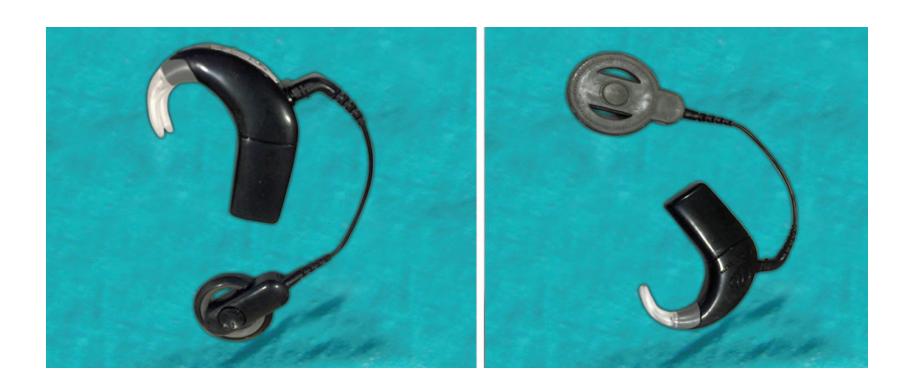
a. Name the device seen in the picture.
b. What are the essential parts of the device?
c. Enlist 3 commonest types of devices available.
Answer
a. Hearing aid
b.
- • Microphone
- • Amplifier
- • Receiver
- • Microchip
- • Battery.
c.
- • Invisible
- • Behind the ear
- • In the ear canal.
VVK21-002
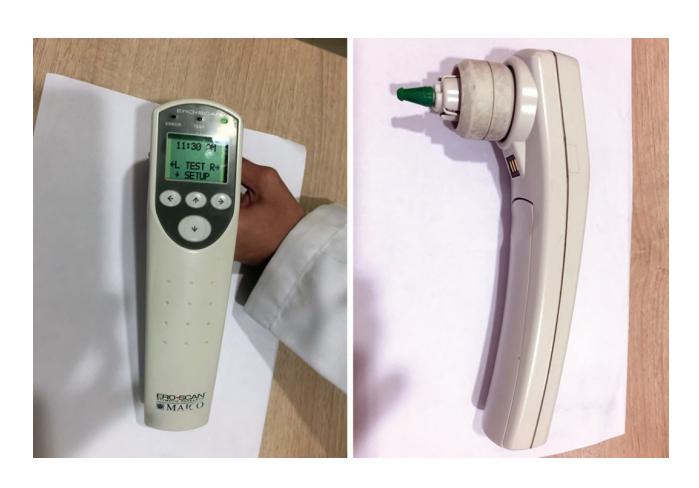
a. Name the device seen in the picture.
b. Which organ function does it detect?
c. How does this device work?
d. What are the prerequisite and limitations of working of the device?
Answer
- a. Oto acoustic emission (OAE) testing device.
- b. Inner ear.
- c. In healthy cochlea, vibration of the hair cells in response to noise generates the acoustic energy-called oto acoustic emission. Probe is placed in ear canal and generates a click. The energy produced is detected by a microphone within the probe.
- d. Needs quite baby.
No debris in ear canal; chances of false positivity high if performed in first 24 hours of birth due to chances of presence of vernix or other debris in the ear canal.
Only assess function of ear- no assessment of neural pathway. Its a screening test. Failed OAE should be confirmed by BERA later.
VVK21-003
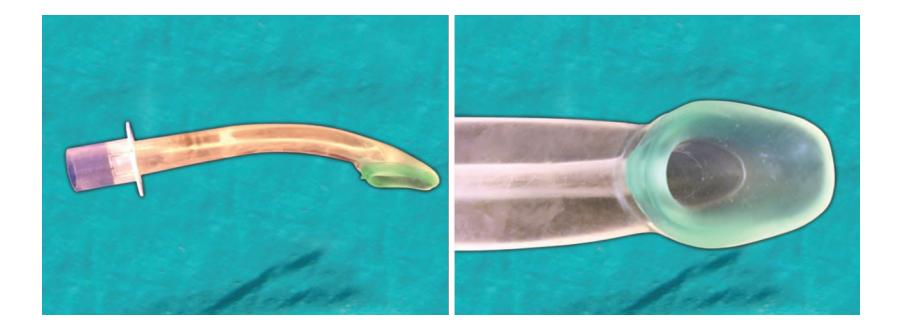
a. Name the device
b. Indication
c. Complication
d. Contraindication when above device shall be avoided in a child during elective procedure.
Answer
- a. Laryngeal mask airway
- b. Indication
- • Difficult airway
- • Routine airway opening
- • Pre hospital airway management.
- c. Complication
- • Aspiration
- • Dislodgement
- • Upper airway trauma.
- c. Contraindication
- • Complete upper airway obstruction
- • Increased risk of aspiration
- Prolonged bag-valve-mask ventilation
- Patients who have not fasted before ventilation
- – Upper gastrointestinal bleed.
- • Suspected or known abnormalities in supraglottic anatomy
- • Need for high airway pressures.
VVK21-004
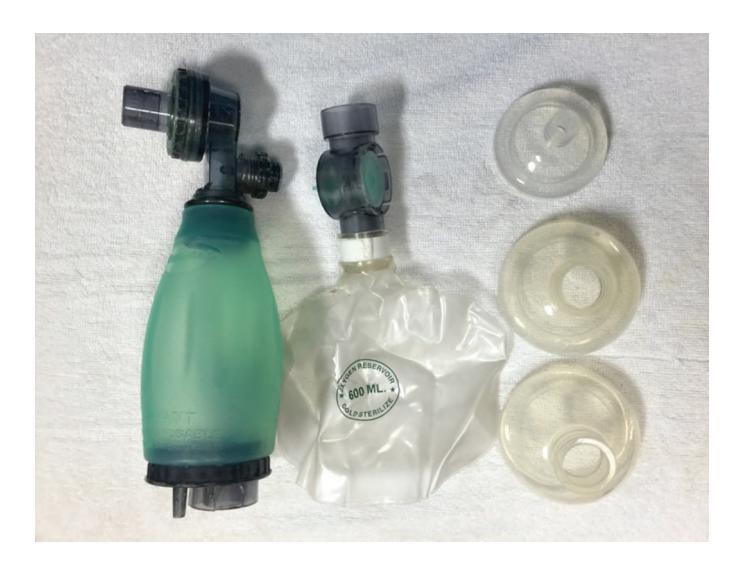
Check functionality of self inflating bag.
Answer
- • Assemble the device correctly.
- • With a flow/self inflating bag occlude the face mask against the palm.
- • Look for following of features as you squeeze the bag
- a. You should feel pressure against the palm.
- b. The fish mouth valve should open and close.
- c. The pop off valve should make a hissing sound or move up and down.
- d. The bag should recoil instantly when pressure is released.
- e. If a pressure manometer is attached it should display the pressure when bag is squeezed.
Absence of any of the above feature suggests malfunction.
VVK21-005
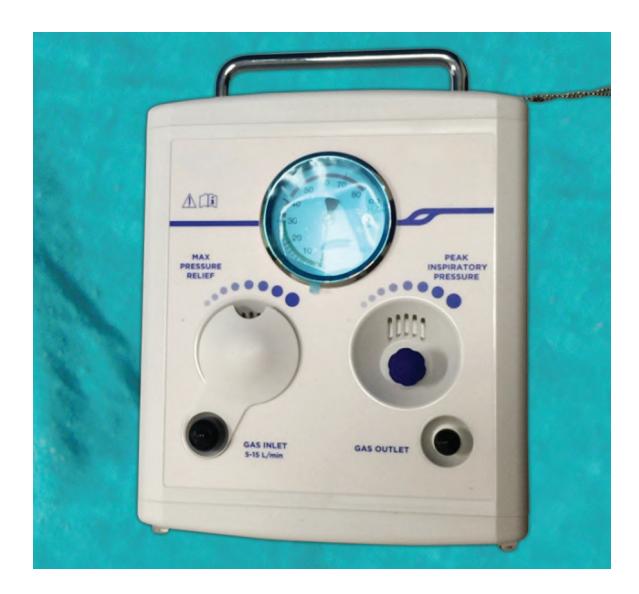
i. Name the device
Answer
i. T-piece resuscitator x`
ii.
- • The inspiratory pressure control—sets the amount of pressure delivered during a normal assisted breath.
- • The maximum pressure relief control is a safety feature that prevents the pressure from exceeding a preset value (usually 40 cm H2 O, but adjustable).
iii.
Advantages
-
- Consistent delivery of PIP and PEEP.
-
- Can be used to provide free flow oxygen reliably—21–100 % (with blender)
-
- Provider does not get tired from ventilation.
Disadvantages
-
- Needs compressed gas with a blender.
-
- Requires pressures to be set prior to use.
-
- Changing inflation pressure during resuscitation is more difficult.
-
- Risks of prolonged inspiratory time.
VVK21-006
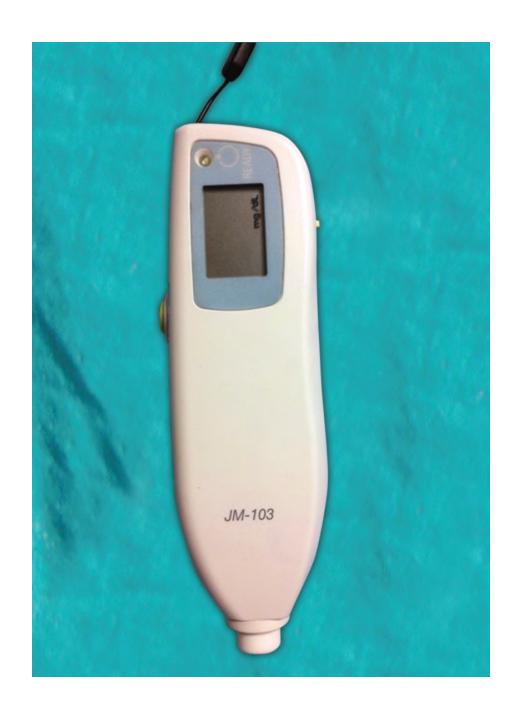
a. What is the device shown?
b. What is the site of use?
c. What are the single most important advantage and limitation of use?
Answer
- a. Transcutaneous bilirubinometer.
- b. Forehead and the upper end of sternum.
- c. Non invasive.
Cannot be used in babies' already receiving/received phototherapy (unless the area is covered during treatment).
VVK21-007
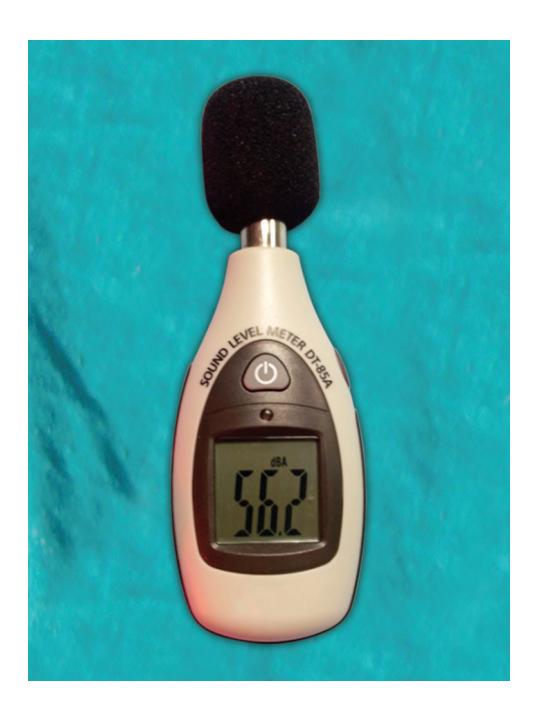
Name the device shown?
Answer
Sound level monitor.
VVK21-008
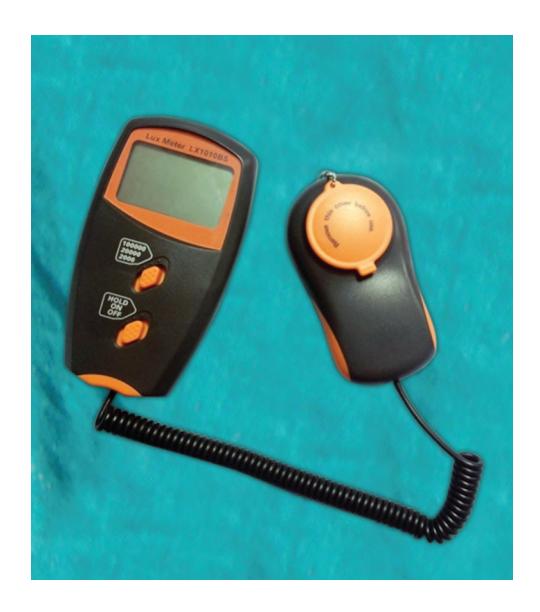
Name the device shown?
Answer
Flux meter.
VVK21-009
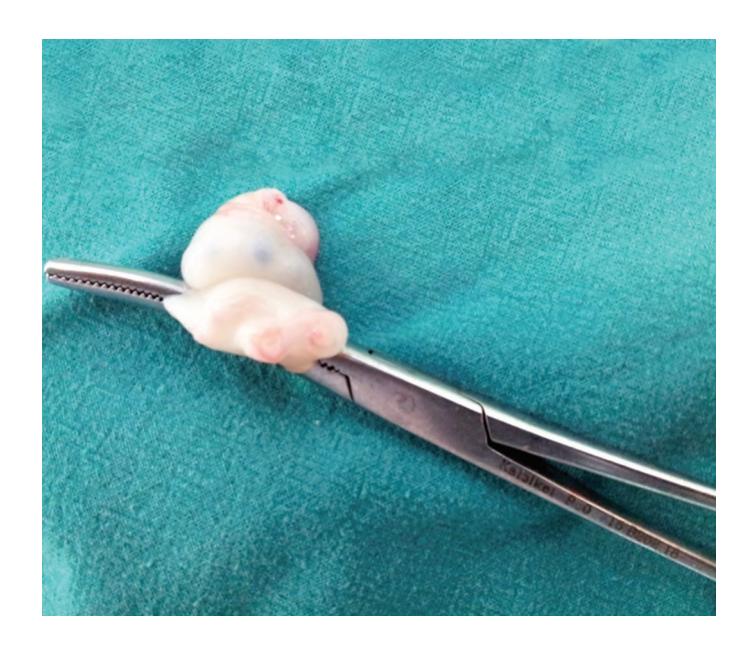
a. What is the abnormality seen?
b. What is the incidence?
i. 1:10
v. 1:100000.
c. It is associated with other anomalies in.
i. 1% cases
v. 75% cases
d. What are the 2 most common systems involved in associated anomalies?
Answer
- a. Single umbilical artery
- b. B
- c. C
- d. Genitourinary followed by cardiovascular and musculoskeletal.
VVK21-010
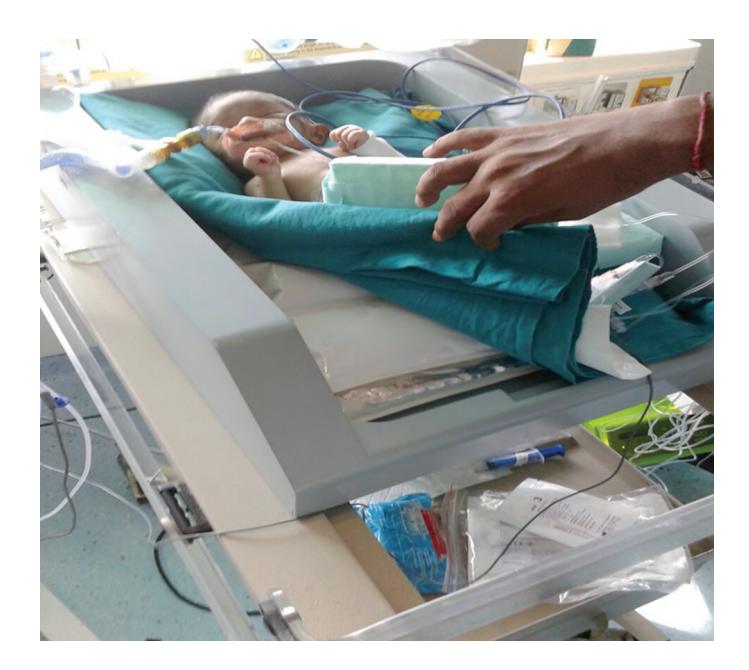
a. What procedure is this baby undergoing?
b. Name the device.
c. Enlist 5 complications associated with above procedure.
Answer
- a. Therapeutic hypothermia.
- b. Whole body cooling device.
c.
- • Delayed intracardiac conduction with sinus bradycardia
- • Prolonged QT interval
- • Ventricular arrhythmias
- • Reduced cardiac output
- • Hypotension
- • Reduction in surfactant production
- • Increase pulmonary vascular resistance
- • Increase oxygen consumption and oxygen requirement
- • Affects coagulation cascade and viscosity—coagulopathy that may be complicated by thrombus or hemorrhage
- • Anemia
- • Thrombocytopenia
- • Leukopenia–increase risk of sepsis
- • Renal impairment
- • Metabolic and lactic acidosis
- • Hypokalemia
- • Hypoglycemia
- • Impaired liver function.
VVK21-011
A lumbar puncture is performed.
a. The CSF is xanthochromatic. What are the four possible causes?
b. CSF protein levels are 350 mg/dL. What are the three possible causes for the same?
c. CSF glucose in 210 mg/dL and blood glucose is 118 mg/dL. List five causes for the same.
d. CSF is cloudy, what is the likely cause?
Answer
a.
- • Hyperbilirubinemia
- • Subarachnoid hemorrhage
- • Markedly elevated CSF protein
- • Carotenemia.
b.
- • TB meningitis
- • GBS
- • Tumors of spinal cord or brain
- • Degenerative disorders
- • Vasculitis
- • Multiple sclerosis.
c.
-
• Bacterial meningitis
-
• TBM
-
• Fungal meningitis
-
• Aseptic meningitis
-
• Neoplasms of meninges.
-
d. Elevated cell count—WBC or RBC
-
• Name the device
-
• Enlist 5 common complications associated with the device
-
• Name the commonest hazard associated with malfunctioning of device and remediate actions
-
• Enlist 5 indications of usage.