THG11-001
Q11.1
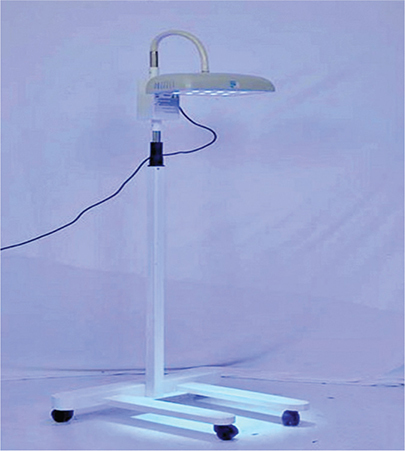
a. What is the type of light used?
b. What is its intensity and life?
c. Mention the wavelength of the light.
d. What are the advantages of this type of light?
Answer
| a. | LED phototherapy |
| b. | LED intensity: 30–50 W/cm²/nm; LED life: 20,000–30,000 hours |
| c. | Wavelength: 450–460 nm |
| d. | Advantages: |
| • | Less hyperthermia/dehydration |
| • | Longer life |
| • | Less UV damage |
| • | Less power usage |
| • | Reduced treatment period |
THG11-002
Q11.2
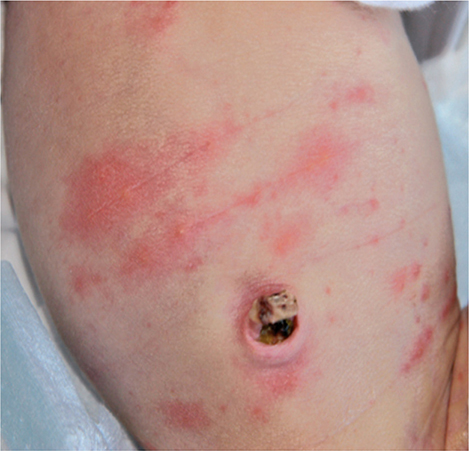
a. Identify the skin condition.
b. Describe the skin lesion.
c. What is the typical time of onset?
d. What is the most common site of predilection?
e. How do you confirm the diagnosis?
Answer
| a. | Erythema toxicum |
| b. | Yellowish papules on an erythematous base |
| c. | Appears on day 2–3 and resolves by 1 week |
| d. | Trunk and back |
| e. | Scrapings—on wright stain will show predominance of eosinophils |
THG11-003
With respect to AAP hour-specific bilirubin chart, answer the following:
a. The hour-specific bilirubin chart from American Academy of Pediatrics (AAP) is used from which gestational age?
b. What do the three lines indicate?
c. Name the risk factors mentioned in the chart.
Answer
| a. | Hour-specific bilirubin chart—AAP normogram for phototherapy; For neonates of 35 or more weeks of gestational age |
b. • Dotted line: Lower risk—38 weeks or more with no risk factors
| • | Dashed line: Medium risk—38 weeks or more with risk factors or 35–37 weeks with no risk factors |
| • | Dark line: Higher risk—35–37 weeks with risk factors |
| c. | Risk factors: |
| • | Isoimmune hemolytic anemia |
| • | Glucose-6-phosphate dehydrogenase (G6PD) deficiency |
| • | Asphyxia |
| • | Sepsis |
| • | Temperature instability |
| • | Acidosis |
| • | Significant lethargy |
| • | Hypoalbuminemia |
THG11-004
With respect to usage of CPAP in neonates, answer the following:
a. What are the two physiological benefits of continuous positive airway pressure (CPAP)?
b. Mention the clinical indications for CPAP.
c. What are the modes of delivery of CPAP?
d. What is Laplace law?
e. State the complications of CPAP use.
Answer
| a. | Physiological benefits: |
| i. | Increases the functional residual capacity (FRC) by preventing alveolar collapse which leads to improved oxygenation |
| ii. | Splints the upper airways and also stimulates the stretch receptors in the lung and pleura which prevents apnea |
| b. | Indications: |
| • | Preterm respiratory distress syndrome (RDS) as primary mode |
| • | Postextubation respiratory support |
| • | Apnea |
| • | Transient tachypnea of the newborn (TTN) |
| • | MAS |
| • | Bronchopulmonary dysplasia (BPD) |
c. • Continuous flow devices: Ventilator CPAP/bubble CPAP
| • | Variable flow devices: Infant flow driver |
| d. | If the surface tension (T) increases or the radius of a sphere decreases, the pressure (P) required to prevent collapse of the sphere—the collapsing pressure—increases: P = 2T/r. |
| e. | Disadvantages: |
| • | Can be used only in neonates with spontaneous respiratory drive |
| • | Gastric distension/“CPAP belly” |
| • | Air leaks |
| • | Hypotension due to decreased venous return |
THG11-005
Q11.5
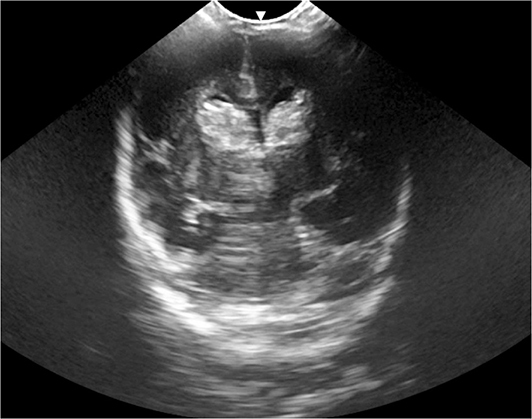
a. Identify the view.
b. What is the diagnosis?
c. What is the clinical presentation?
d. What are the complications of this condition?
Answer
| a. | Coronal view of USG cranium |
| b. | Bilateral grade 3 IVH |
| c. | Lethargy, apnea, tone abnormalities, altered sensorium, and hypotension |
| d. | Complications: |
| • | Posthemorrhagic hydrocephalus (PPH) |
| • | Seizure |
| • | Neurological disability |
THG11-006
Q11.6
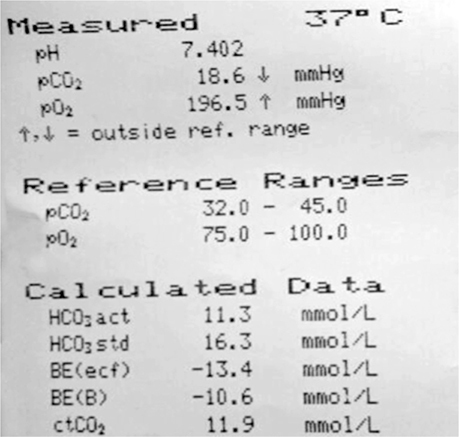
a. What is the diagnosis?
b. How do you calculate for compensation?
c. What adjustments to the ventilator settings will you advise?
d. Name any two long-term adverse effects of the findings?
Answer
| a. | Respiratory alkalosis with metabolic acidosis |
b.
| 0 | Respiratory acidosis | | | Respiratory alkalosis | | |
| Acute | | | | | | |
| • | 10 mm Hg increase in pCO2 above 40 | | • | 10 mm Hg decrease in pCO2 below 40 | |
| • | HCO3 increase by 1 mmol/L | | • | HCO3 decrease by 2 mmol/L | |
| | | | | | |
| Chronic | | | | | | |
| • | 10 mm Hg increase in pCO2 above 40 | | • | 10 mm Hg decrease in pCO2 below 40 | |
| • | HCO3 increase by 4-5 mmol/L | | • | HCO3 decrease by 4-5 mmol/L | |
| | | | | | |
| Each arterial pCO2 shift of 10 mm Hg is accompanied by a pH shift of 0.08, while for chronic respiratory disturbances (where renal compensation has time to occur) each pCO2 shift of 10 mm Hg is accompanied by a pH shift of 0.03. | |
| c. | Ventilator changes: Reduce PIP/TV (tidal volume) for low pCO2 and reduce FiO2 for hyperoxia |
d. i. Low pCO2: Periventricular leukomalacia (PVL)/cerebral ischemia
| ii. | High pO2: ROP |
THG11-007
Q11.7
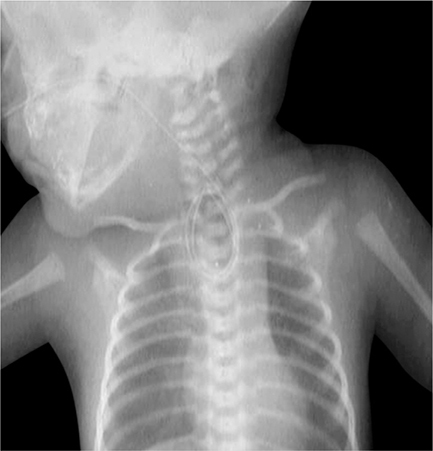
a. What is the diagnosis?
b. What is the most common type?
c. Name a few associated anomalies.
d. What is the management of this condition?
Answer
| a. | Tracheoesophageal fistula |
| b. | Type C |
| c. | VACTERL: Vertebral, Anorectal, Cardiac, Tracheoesophageal, Renal dysplasia, Limb anomalies. |
| d. | Management: |
| • | Minimize the risk of aspiration and avoid gastric overdistension |
| • | Replogle suction—continuous suction of blind proximal pouch |
| • | Head-end elevated to 30°—to reduce aspiration |
| • | Mechanical ventilation: If required with optimal pressures |
| • | Surgical correction of the defect—primary or secondary closure based on the distance between the defects |
THG11-008
A 3-week-old first born male developed recurrent nonbilious vomiting and presented with dehydration.
a. What is the most likely diagnosis?
b. What are the other clinical features?
c. What is the classical metabolic abnormality?
d. What are the radiological signs associated with this condition?
e. What is the treatment?
Answer
| a. | Hypertrophic pyloric stenosis |
| b. | Olive mass in right hypochondrium, visible gastric peristalsis—left to right |
| c. | Hypochloremic, hypokalemic metabolic alkalosis |
| d. | String sign/double-track sign |
| e. | Correct hydration/dyselectrolytemia/pyloromyotomy |
THG11-009
Q11.9
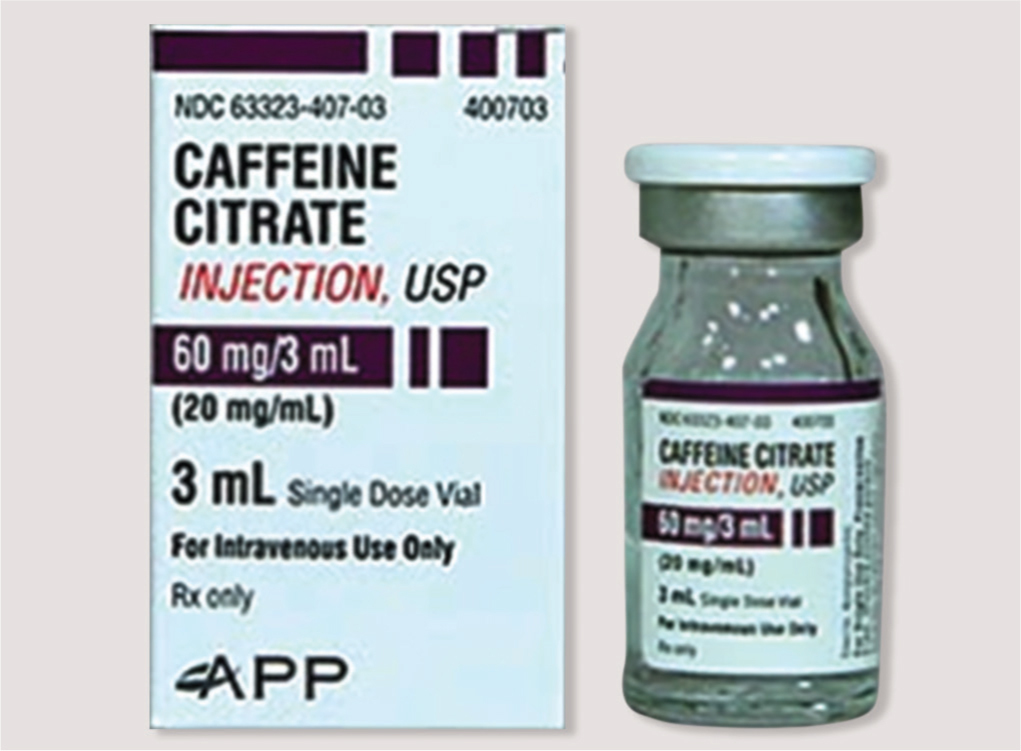
a. What are the indications to use this drug?
b. State the dosage.
c. What is its mechanism of action?
d. Name the landmark trial.
e. What are the side effects?
Answer
| a. | Indications: Apnea, postextubation, prevention of BPD |
| b. | Loading dose 20 mg/kg IV/oral over 30 minutes (10 mg base) followed by 5–10 mg/kg IV/oral once daily, 24 hours after first dose |
| c. | Adenosine antagonist |
| d. | Caffeine for apnea of prematurity (CAP) trial—reduced BPD rates, better survival without ND disability at 18–21 months corrected age |
| e. | Side effects: Jitteriness, vomiting, and tachycardia |
THG11-010
Q11.10

a. What are the indications?
b. What is the rationale for using this?
c. When and how do you use this?
d. What are the types of fortification?
Answer
| a. | Birth weight <1,500 g (also for 1,800–2,000 g) |
| b. | Unfortified human milk provides insufficient nutrients (especially proteins, calcium, and phosphorus) to the preterm infants when fed at usual feeding volumes |
| c. | On reaching 80–100 mL/kg feeds, human milk fortifier (HMF) is added. Dose is 1 g for 25 mL of human milk. |
d. • Standard
| • | Individualized—adjustable and targeted |
THG11-011
Q11.11
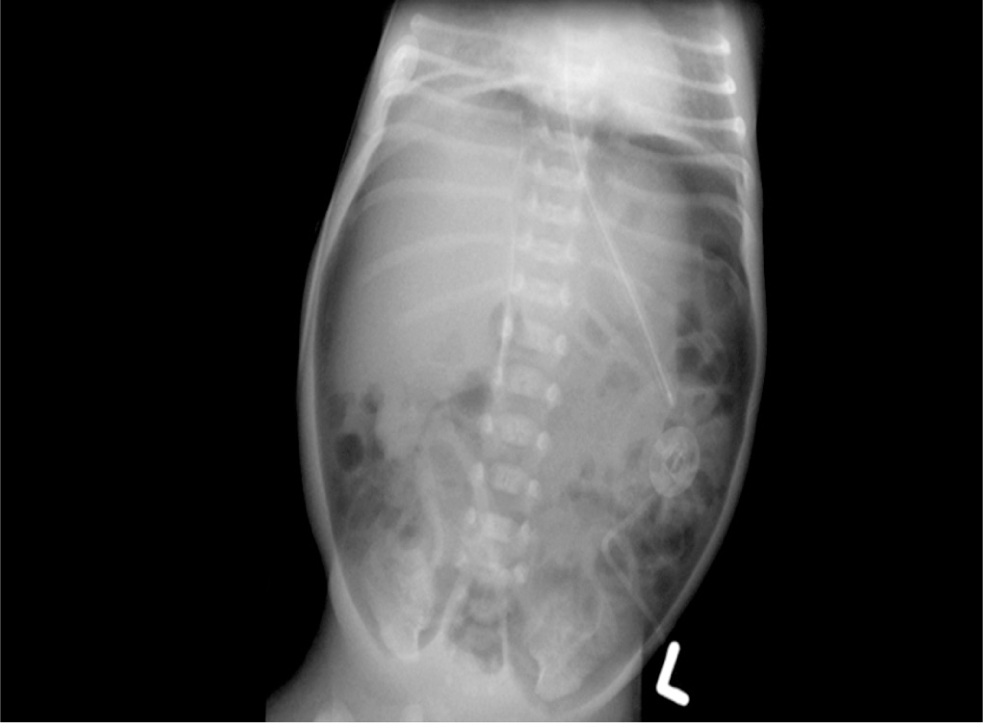
a. What is the diagnosis?
b. What are the causes?
c. What is the management?
Answer
| a. | Pneumoperitoneum |
| b. | Causes: |
| • | Necrotizing enterocolitis (NEC) |
| • | Spontaneous intestinal perforation |
| c. | Management: |
| • | Nil per oral (NPO), intravenous fluids |
| • | Surgical: Drain the air from the peritoneal cavity using glove drain if needed open laparotomy with resection and anastomosis |
THG11-012
A term neonate 36 hours old is on ventilator support in view of meconium aspiration syndrome (MAS). Baby has gradual deterioration. Baby is on synchronized intermittent mandatory ventilation (SIMV) mode of ventilation with peak inspiratory pressure (PIP) of 34 cm, positive end-expiratory pressure (PEEP) of 6 cm, FiO2 of 100, and Ti of 0.3, respiratory rate of 60 per minute. Pneumothorax ruled out and tube in normal position.
a. Calculate AaDO2 and oxygenation index (OI).
b. Write your further plan of management of the neonate.
Answer
| a. | AaDO2 = Partial pressure of oxygen in alveoli (PAO2) – Partial pressure of oxygen in arterial blood (PaO2) |
| PAO2 | = [(Patm – PH2O) × FiO2] – (PaCO2/RQ) |
| Patm: Atmospheric pressure at sea level (760 mm Hg) | |
| PH2O: Partial pressure of water vapor (47 mm Hg) | |
| PaCO2: Partial pressure of carbon dioxide | |
| RQ: Respiratory quotient (0.8) |
| AaDO2 | = [(760–47) × FiO2] – (PaCO2/RQ) – PaO2 |
| = [(713 × 1) – (55/0.8)) – 30 | |
| = 644 – 30 | |
| = 614 |
| Very high | |
| Oxygenation index (OI) = Mean airway pressure (MAP) × FiO2 × 100/PaO2 |
| MAP | = (PIP – PEEP) × (TI/TI + TE) + PEEP |
| MAP | = (34 – 6) × (0.3/0.3 + 0.7) + 6 |
| = 28 × 0.3 + 6 | |
| = 8.4 + 6 | |
| = 14.4 | |
| OI | = 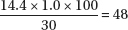 |
| Very high | |
| b. | Start high-frequency oscillatory ventilation (HFOV) and start inhaled nitric oxide |
THG11-013
Q11.13
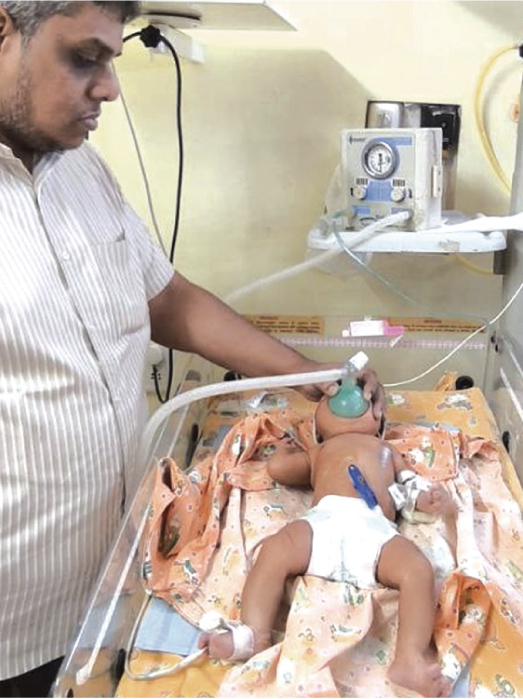
a. Name the equipment.
b. Mention its two advantages.
c. Mention its two disadvantages.
Answer
| a. | T-piece resuscitator |
| b. | (1) Can be used to administer free flow O2; |
| (2) Also used to administer PEEP and PIP | |
| c. | (1) Needs air–O2 source; |
| (2) Blender needed to set required FiO2 |
THG11-014
While using neonatal growth charts, answer the following:
a. What type of growth chart is Fenton growth chart?
b. How many countries were involved in data collection?
c. What revisions have been made compared to its previous version?
Answer
| a. | Reference growth chart |
| b. | Six developed countries—Germany, USA, Australia, Canada, Scotland, and Italy. |
| c. | Gender-based growth charts from previous version; Equivalent to the World Health Organization (WHO) growth charts at 50 weeks. |
THG11-015
Q11.15
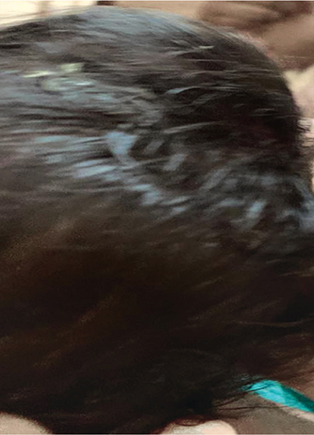
a. Identify the condition.
b. What are its differential diagnoses?
c. What is the typical time of presentation and how long can it persist?
d. What are the potential complications?
Answer
| a. | Cephalohematoma |
| b. | Caput succedaneum, subgaleal hematoma |
| c. | 1–3 days after birth and persists for weeks. |
| d. | Anemia, hyperbilirubinemia, and secondary infection |
| 0 | Caput succedaneum | Cephalohematoma | Subgaleal hemorrhage |
|---|---|---|---|
| Day of occurrence | 1 | >1 | Day 1 |
| Site | Edema of scalp | Subperiosteal | Subaponeurotic |
| Resolves | 1-2 days | Weeks | Weeks |
| Margins | Not well | Confined to bone | Crosses over |
| Anemia/jaundice | None | May be present | Mostly |
THG11-016
While doing gestational age assessment in a neonate answer the following questions:
a. What is the least score and maximum score in new Ballard scoring system?
b. What is the utility?
c. How is it different from earlier version?
d. What is the ideal time to use it?
Answer
| a. | Score ranges from 10 to 50 |
| b. | To assess gestational maturation of the neonate |
| c. | Negative scoring is included here. It can be used to assess maturity between 20 and 44 weeks (old Ballard: 26–44 weeks) |
| d. | Performed between 30 minutes to 96 hours. |
THG11-017
A 38-week-old neonate develops respiratory distress soon after birth. X-ray done shows the following:
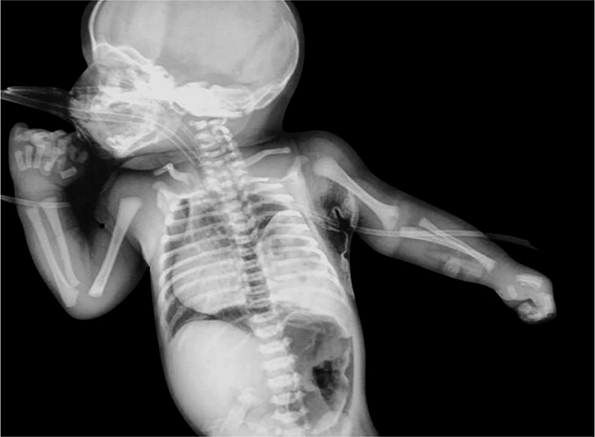
a. What is the diagnosis?
b. What are the precautions to be taken at resuscitation?
c. What are the types in this condition?
d. Name three antenatal parameters used to predict survival and morbidity in this condition.
Answer
| a. | Left side congenital diaphragmatic hernia (CDH) |
| b. | Bag and mask to be avoided; intubation is recommended if there is respiratory distress; place oro-/nasogastric (NG) tube for gastric decompression |
| c. | Types of CDH: |
| • | Anterior (Morgagni): 25–30% |
| • | Posterolateral (Bochdalek): 70% most common |
| • | Central: 2–5% |
| d. | Antenatal predictors of CDH: |
| i. | Observed/expected lung-to-head ratio (o/e LHR) |
| ii. | Total fetal lung volume (TFLV) |
| iii. | Intrathoracic liver herniation |
THG11-018
A 35-week-old neonate presents with abdominal distension and feed intolerance at 48 hours of life. X-ray chest with abdomen shows the following:
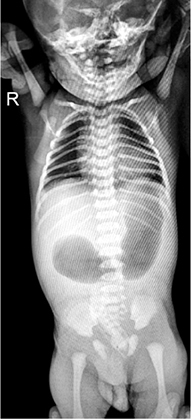
a. What is the diagnosis?
b. What is the sign called?
c. Name some genetic syndromes associated with the diagnosis?
d. Describe the timeline of the appearance of the abdominal gas shadow in the neonate?
Answer
| a. | Duodenal atresia |
| b. | Double bubble sign |
| c. | Down’s syndrome, heterotaxy syndrome, microdeletions |
| d. | Soon after birth—swallowing of air which reaches stomach |
| • | 1 hour after birth—duodenum |
| • | 3 hours after birth—proximal small bowel |
| • | 12 hours after birth—entire small bowel |
| • | 24 hours after birth—rectum |
THG11-019
A 32-week-old neonate with respiratory distress at birth
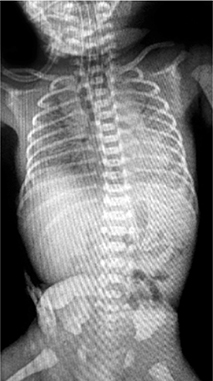
a. What are the findings in the given X-ray?
b. What is the line of management?
c. What is poractant?
d. Expand LISA/MIST.
Answer
| a. | Endotracheal (ET) tube, NG tube in situ, Lungs—ground glass appearance with reticulogranular pattern |
| b. | Optimal PEEP, surfactant, mechanical ventilation if required |
| c. | Minced porcine lung extract surfactant (dose 200 mg/kg of phospholipid intratracheally, can be repeated after 12 hours with a dose of 100 mg/kg of phospholipid) |
| d. | Less invasive surfactant therapy/minimally invasive surfactant therapy |
THG11-020
Q11.20
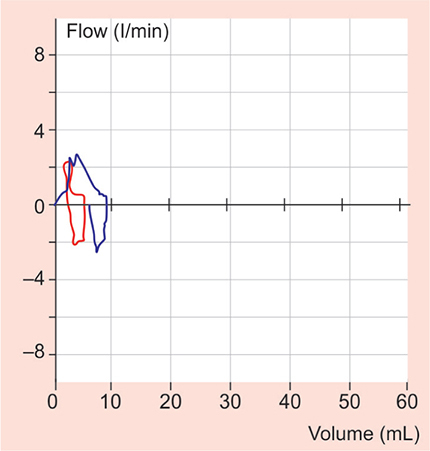
a. Interpret the given ventilator graph?
b. What is the type of graph?
c. What are the corrective steps to be done?
Answer
| a. | Air leaks |
| b. | Flow-volume loop |
c. i. Ventilator circuits to be checked
| ii. | Optimal size ET tube |
| iii. | Rule out pneumothorax |
THG11-021
For the given ventilator graphic answer the following:
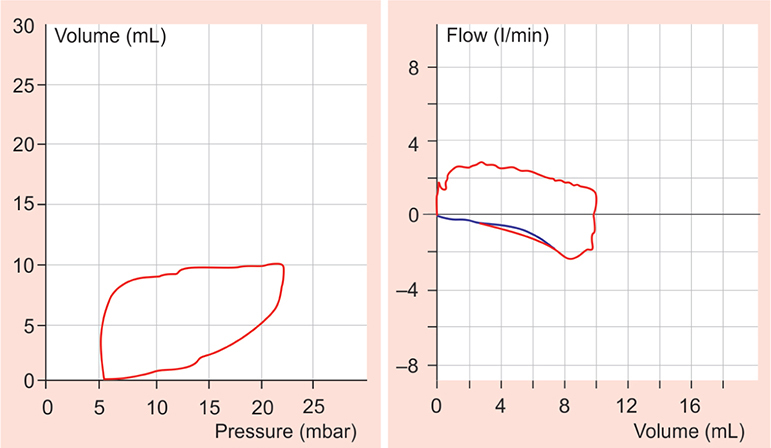
a. What does the given ventilator graphics indicate?
b. What are the findings?
c. What is the next management?
Answer
| a. | Increased expiratory resistance in pressure-volume loop and flow-volume loop |
| b. | In pressure-volume loop with change in pressure there is not much change in expiratory volume whereas in flow-volume loop scooped out appearance of expiratory limb is shown. |
| c. | Bronchodilators |
THG11-022
A 30-week-old neonate at 2 hours of life on CPAP develops worsening of the respiratory distress and is currently on PEEP of 8 cmH2O and FiO2 of 0.9
a. What is the next line of management?
b. What is CPAP failure?
Answer
| a. | Give surfactant therapy and consider invasive ventilation |
| b. | CPAP failure: SpO2 <90% or Silverman Anderson Score (SAS) >6 on FiO2 60% and PEEP of 6 cm of H2O or recurrent apneas (>2 episodes) needing stimulation or PPV (Bag and Mask ventilation) in 24 hours |
THG11-023
A 30-week-old neonate on CPAP at 56 hours of life has shown worsening of the respiratory distress and increased crepitations on auscultation with equal air entry. There is increase in oxygen requirement with blood pressure of 52/20 (28). Precordial pulsations are noted. ABG shows new-onset metabolic acidosis.
a. What is the likely diagnosis?
b. What is the immediate next line of management?
c. What is the medical and pharmacological management of the likely diagnosis?
Answer
| a. | Patent ductus arteriosus |
| b. | Increase in PEEP, optimal fluids, chest X-ray and echocardiography to look for hemodynamically significant patent ductus arteriosus |
| c. | Paracetamol 15 mg/kg 6 hourly for 3–7 days oral or IV, or ibuprofen 10 mg/kg first dose followed by 5 mg/kg/dose next 24 and 48 hours orally. |
THG11-024
A 29-week-old neonate had a stormy neonatal course in neonatal intensive care unit (NICU) and baby’s head circumference enlargement is about 2.5 cm/week for last 2 weeks. Neurosonogram showed the following picture:
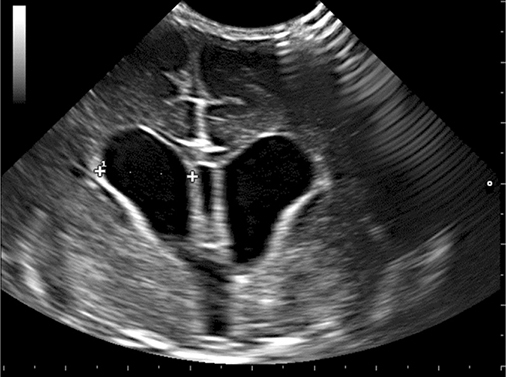
a. What is the diagnosis?
b. What are the causes of the condition?
c. When surgical intervention is necessary?
d. What is resistive index (RI) and what is its normal value?
Answer
| a. | Ventricular dilatation/hydrocephalus |
| b. | Posthemorrhagic ventricular dilation, complication of meningitis, and ventriculitis |
| c. | Ventricular index (VI) >97th percentile + 4 mm and anterior horn width (AHW) >10 mm and/or Thalamo-occipital distance (TOD) >25 mm or any of the clinical criteria—head circumference growth >2 cm per week |
| • | Separated sutures |
| • | Bulging anterior fontanel or when no stabilization occurs on repeated lumbar punctures |
| d. | Resistive index (RI): Systolic flow – diastolic flow/systolic flow; Normal RI is 0.6–0.85 and >0.85 is hydrocephalus |
THG11-025
A 30 weeks, one of the triplets, at 76 hours of life on room air developed respiratory distress. Ultrasound showed the following findings. Aspiration of the fluid is shown in the image here.
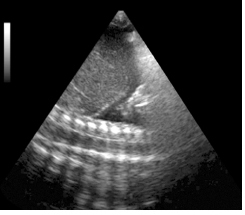
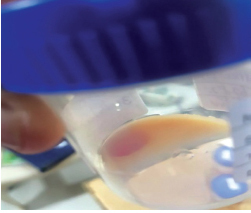
a. What is the finding in the image shown?
b. What is the fluid and what is the diagnosis?
c. What is the management of this condition?
Answer
| a. | Anechoic collection (fluid) in pleural space |
| b. | Chylous fluid and chylothorax |
| c. | Nil per oral, followed by medium-chain triglycerides (MCTs)-based diet. In severe cases, pleural tapping using intercostal chest tube drainage and octreotide infusions. |
THG11-026
A 35-week-old neonate requiring aggressive resuscitation at birth and is under therapeutic hypothermia. Magnetic resonance imaging (MRI) taken on day 4 shows the following finding.
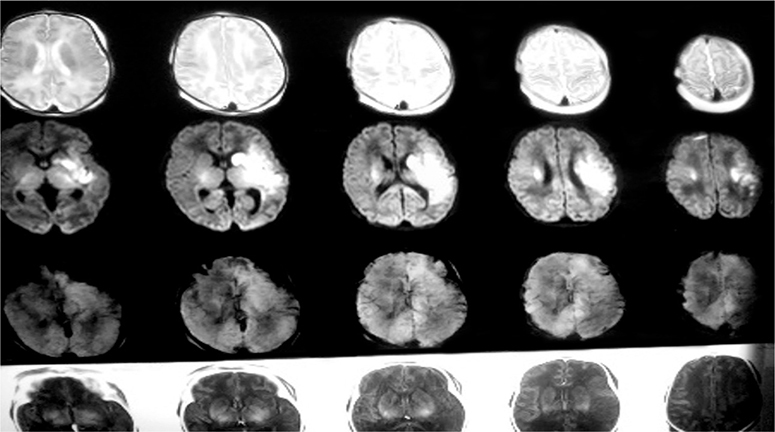
a. What is the diagnosis?
b. What are the neonatal and maternal risk factors associated with this condition?
Answer
| a. | Neonatal stroke (right-sided infarct in the middle cerebral artery) |
| b. | Causes for neonatal stroke: |
| • | Maternal factors: Thrombotic state of pregnancy, thrombophilias, drug abuse (cocaine), infection, preeclampsia, and labor complications |
| • | Fetal/neonatal factors: Inherited thrombophilias, twin-twin transfusion, infection, perinatal asphyxias, congenital heart diseases, hypoglycemia, polycythemias, and catheter-related complications |
| • | Environmental factors: Gender, race, dehydration, and antiphospholipid antibodies |
THG11-027
A 20-week-old fetus is diagnosed to have bilateral hydroureteronephrosis, undergoes fetal urine assessment. All of the following are indications of good renal reserve except:
a. Osmolarity 190 mOsm/L
b. Sodium 86 mmol/L
c. Chloride 104 mmol/L
d. Beta-2 microglobulin 4 mg/L
Answer
Normal chloride levels are <90 mmol/L
Normal fetal urine values:
| ■ | Sodium: <100 mmol/L |
| ■ | Chloride: <90 mmol/L |
| ■ | Calcium: <2 mmol/L |
| ■ | Beta-2 microglobulin: <6 mg/L |
| ■ | Osmolarity: <200 mOsm/L |
THG11-028
Q11.28
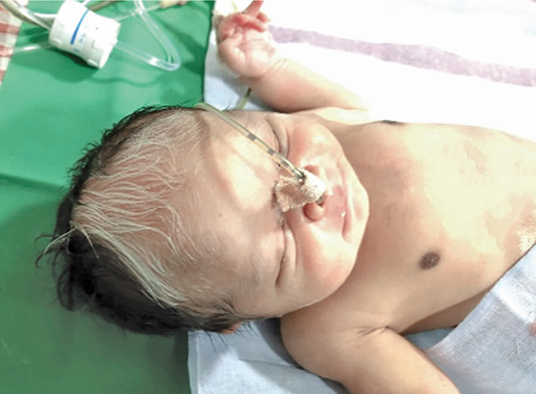
a. What is the diagnosis as seen in the given image?
b. What is the mode of inheritance of this condition?
c. What is the gastrointestinal disease associated with it?
Answer
| a. | White forelock (Waardenburg syndrome) |
| b. | Autosomal dominant |
| c. | Hirschsprung’s disease |
THG11-029
Q11.29
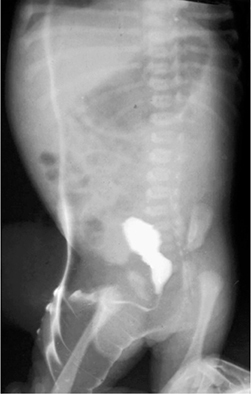
a. What is the imaging modality done?
b. What is the diagnosis?
c. What is the line of management?
Answer
| a. | Voiding cystourethrogram |
| b. | Posterior urethral valve |
| c. | Posterior urethral valve ablation or diversion therapy |
THG11-030
A 40-week-old neonate macrosomic with difficult delivery presents on day 7 with multiple erythematous nodules and plaques on the back. CRP blood culture were negative and serum calcium levels were elevated.
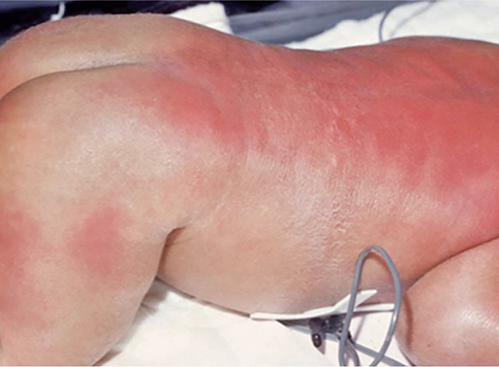
a. What is the diagnosis?
b. What are the risk factors associated with this condition?
c. What are the metabolic derangements associated with this condition?
Answer
| a. | Subcutaneous fat necrosis |
| b. | Risk factors: Perinatal asphyxia, therapeutic hypothermia, cord prolapse, meconium aspiration, infant of diabetic mother, and Rh incompatibility |
| c. | Hypercalcemia thrombocytopenia, hypoglycemia, and hyper- triglyceridemia |
THG11-031
The ultrasonography (USG) of lung was done for the 36 weeks neonate with respiratory distress.
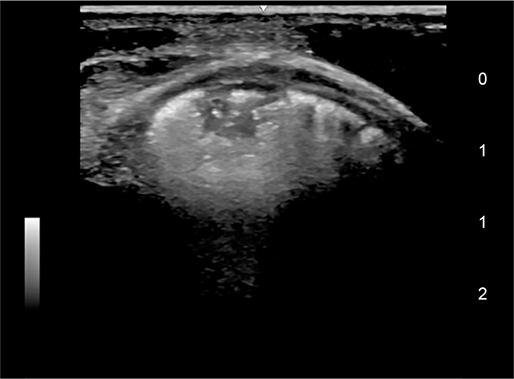
a. What is the finding in the USG?
b. What is the diagnosis?
Answer
| a. | Subpleural consolidation |
| b. | Pneumonia |
THG11-032
Q11.32
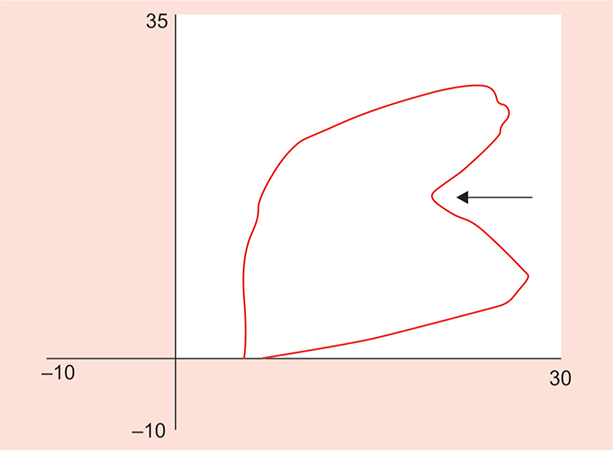
a. What does the pressure-volume loop indicate?
b. What is the change that has to be done?
Answer
| a. | Pressure overshoot |
| b. | Reduce the inspiratory flow rate |
THG11-033
A 38-week-old neonate with difficult delivery
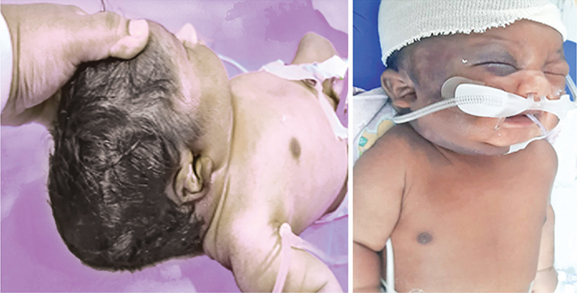
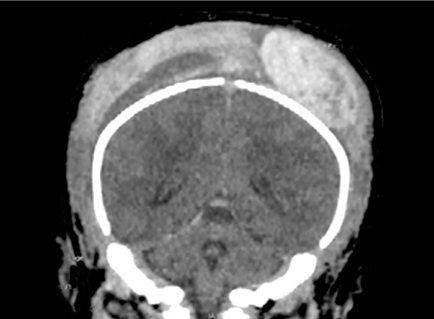
a. What is the diagnosis?
b. What is the associated risk factor?
c. What is the life-threatening complication associated with this condition?
Answer
| a. | Subgaleal bleed |
| b. | Instrumental delivery |
| c. | Hypovolemic shock |
THG11-034
A 38-year-old female at 27 weeks of gestation was planned for delivery. As per Neonatal Resuscitation Program (NRP) guidelines answer the following questions:
a. What are the special preparations to be done for resuscitating a baby of this gestation?
b. What should be the target oxygen saturation at 1 minute?
c. What should be the initial FiO2 for resuscitation?
d. Expand MRSOPA
Answer
| a. | Plastic bags, cling wraps, caps, thermal mattress, blended oxygen, delivery room CPAP |
| b. | 60–65% |
| c. | 30% |
| d. | M: Mask readjustment |
| R: Reposition head and neck | |
| S: Suction mouth then nose | |
| O: Open airway | |
| P: Pressure increase | |
| A: Alternative airway |
THG11-035
A 28-year-old gestational diabetic mother delivers a 3,800 g male baby at 40 weeks of life. The liquor was meconium stained.
a. What should be assessed soon after birth?
b. Routine tracheal suctioning should be done if liquor is meconium stained—True/False.
c. Baby had gasping breath and heart rate (HR) is 100. What should be done next?
d. Heart rate after starting positive-pressure ventilation (PPV) is 70 bpm. What should be the immediate action plan?
e. HR falls further to 40 bpm? What should be the next step?
Answer
| a. | Good tone, breathing, or crying |
| b. | False |
| c. | Positive-pressure ventilation should be started if baby is apneic, gasping, or heart rate <100 beats/min |
| d. | Check for chest rise. If not, perform MRSOPA |
| e. | Endotracheal intubation or laryngeal mask airway; Start chest compression, increase FiO2 to 100%, and secure umbilical vein catheter |
THG11-036
A 36-week-old neonate required PPV during resuscitation and followed by respiratory distress requiring mechanical ventilation.
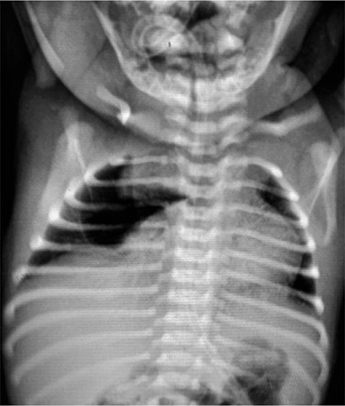
a. What is the diagnosis?
b. What is the characteristic sign of this condition?
Answer
| a. | Pneumomediastinum |
| b. | The spinnaker-sail sign is noticed in the X-ray showing the cardiac border separated from the thymus by air in the mediastinum |
THG11-037
A 38-week-old neonate had respiratory distress since birth. Baby was intubated and started on mechanical ventilation.
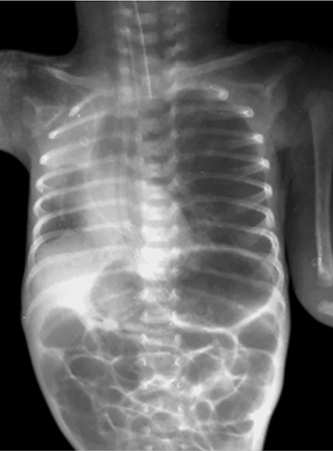
a. What is the diagnosis?
b. What is the management?
Answer
| a. | Congenital lobar emphysema |
| b. | Severe cases—surgical intervention (lobectomy); mild to moderate—conservative management |
THG11-038
A 15-day-old neonate brought with reduced activity and elevated C-reactive protein (CRP)
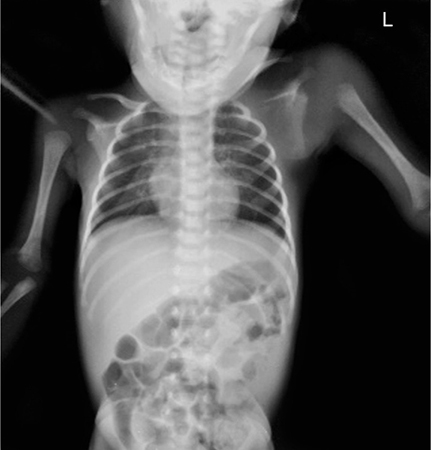
a. What is the diagnosis?
b. What is the management?
c. What are the long-term complications associated with this condition?
Answer
| a. | Septic arthritis of left shoulder |
| b. | Antibiotics and arthrotomy |
| c. | Long-term complications include limb-length discrepancy, joint subluxation, and dislocation, avascular necrosis, pathological fractures, and premature osteoarthritis |
THG11-039
A 36-week-old neonate infant of a diabetic mother is having lethargy at 6 hours and refusal of feed. Blood sugar is 36 mg/dL.
a. What is the next line management?
b. What are blood sugar targets in the first 48 hours?
c. What are the diagnostic criteria for hyperinsulinemic hypoglycemia?
Answer
| a. | Give 10% dextrose 2 mL/kg IV bolus and check blood sugars after 20 minutes, if baby is alert can continue with oral feeds if not, start IV glucose infusion rate of 6 mg/kg/min. |
| b. | In late preterm and term baby’s operational threshold of blood sugar for intervention: |
| • | Symptomatic: Blood sugar <40 mg/dL |
| • | Asymptomatic: |
| ◆ | <4 hours of age: 25 mg/dL |
| ◆ | 4–24 hours of age: 35 mg/dL |
| ◆ | 24–48 hours of age: 50 mg/dL |
| ◆ | More than 48 hours: 60 mg/dL |
| c. | Diagnostic criteria for hyperinsulinemic hypoglycemia are: |
| When blood glucose <50 mg/dL: |
| • | Low B-hydroxybutyrate: <1.8 mmol/L |
| • | Low free fatty acids: <1.7 mmol/L |
| • | Detectable insulin: >2 µU/mL |
| • | Detectable C-peptide: >0.5 ng/mL |
| • | Glycemic response to glucagon: ≥30 mg/dL increase in plasma glucose after glucagon administration |
THG11-040
A 34-week-old neonate presents with repeated episodes of jitteriness and vomiting. Serum ionized calcium is 0.7 mmol/L. The neonate persisted to have hypocalcemia even after corrective measures.
a. What is the next line of management?
b. What are the corrective measures for acute symptomatic hypocalcemia?
c. What is expectant management of asymptomatic hypocalcemia?
d. Define hypocalcemia in a neonate.
Answer
| a. | Check magnesium levels, if low, magnesium correction by IV 50% magnesium sulfate (50 mg/kg slow IV over 1–2 hours); hypomagnesemia leads to low parathormone production leading to hypocalcemia |
| b. | Acute therapy: Injection calcium gluconate 10% 200 mg/kg by slow IV infusion over 15–30 minutes |
| c. | Injection calcium gluconate 10% 800 mg/kg/day IV for 48 hours followed by 400 mg/kg/day IV for 24 hours either by continuous infusion or 6 hourly divided doses. |
| d. | Hypocalcemia is defined as: |
| • | Term infants and preterm [body weight (BW) ≥1,500 g] – ionized Ca <4.4 mg/dL (<1.1 mmol/L) or total serum Ca <8 mg/dL (<2 mmol/L) |
| • | Preterm infants (BW <1,500 g): Ionized Ca <4 mg/dL (<1 mmol/L) or total serum Ca <7 mg/dL (<1.75 mmol/L) |
THG11-041
Given below is the chest X-ray of a 38 weeks neonate who had respiratory distress which required PPV.
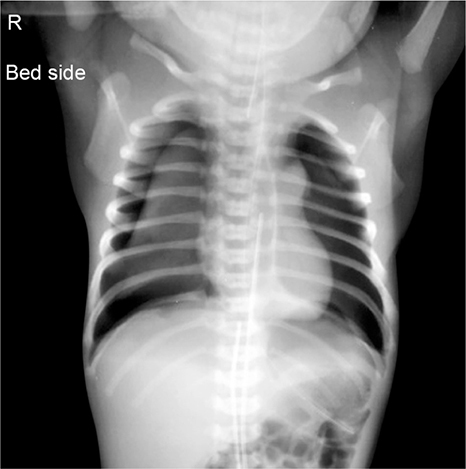
a. What is the diagnosis?
b. What is the next line of management?
Answer
| a. | Right-sided pneumothorax |
| b. | Intercostal chest tube drainage |
THG11-042
A 34-week-old neonate developed abdominal distension and hematochezia on day 6 of life.
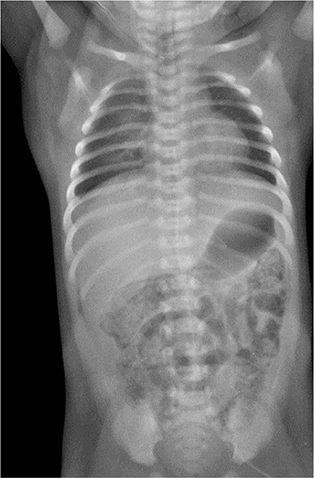
a. What is the diagnosis?
b. What is the finding in the X-ray?
c. What is the next line of management?
Answer
| a. | Necrotizing enterocolitis stage 2A |
| b. | Pneumatosis intestinalis on staging of NEC |
| c. | NPO, gastric decompression, antibiotics (ampicillin, gentamycin, and metronidazole) for 10–14 days |
| Stage | Systemic signs | Abdominal signs | Radiological signs | Treatment |
|---|---|---|---|---|
| 1A | Temperature instability, apnea, bradycardia, lethargy | Abdominal distension, emesis, heme— positive stool | Normal or intestinal dilation, mild ileus | NPO and antibiotics |
| 1B | Same as above | Gross bloody stool | Same as above | Same as 1A |
| 2A | Same as above | Same as above plus absent bowel sounds with or without abdominal tenderness | Intestinal dilation, ileus, pneumatosis intestinalis | NPO and antibiotics for 7-10 days |
| 2B | Same as above plus metabolic acidosis and thrombocytopenia | Same as above absent bowel sounds, definite tenderness, with or without abdominal cellulitis and right lower quadrant mass | Same as above plus ascites | NPO and antibiotics for 14 days |
| 3A | Same as above plus hypotension, bradycardia, combined metabolic and respiratory acidosis, disseminated intravascular coagulation (DIC), neutropenia | Same as above plus peritonitis | Same as above | NPO and antibiotics for 14 days |
| 3B | Same as above | Same as above | Pneumoperitoneum | Same as above plus surgery |
THG11-043
Q11.43
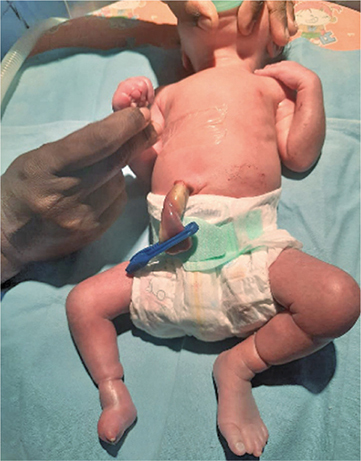
a. What is the diagnosis?
b. What are the findings in this diagnosis?
Answer
| a. | Amniotic band syndrome/constriction ring syndrome |
| b. | Constrictive rings around both the lower limbs, amputated right toes and right fingers, and swelling of right ankle and foot |
THG11-044
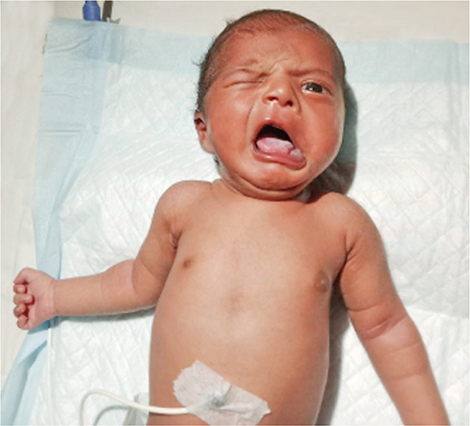
A 37-week-old neonate delivered by forceps delivery
a. What is the diagnosis?
b. What are the other causes?
Answer
| a. | Left facial nerve palsy (lower motor neuron palsy) |
| b. | Causes of congenital facial nerve palsy: |
| • | Birth injuries: Forceps |
| • | Syndromes: Mobius syndrome, Goldenhar syndrome, and branchio-oto-renal syndrome |
| • | Genetic: Myotonic dystrophy |
THG11-045
Q11.45
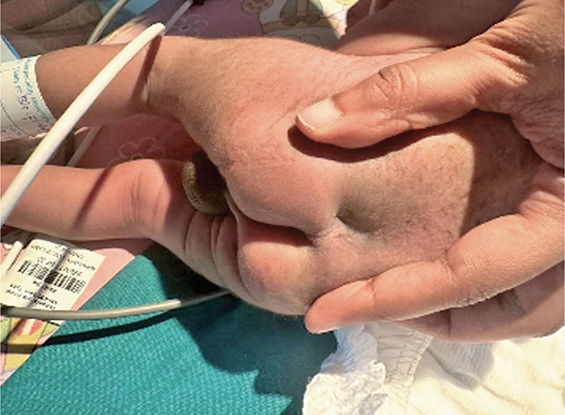
a. What is the diagnosis?
b. What is the clinical significance of this finding?
Answer
| a. | Sacral dimple |
| b. | The sacral dimple located >2.5 cm from anal verge or larger than 5 mm or presence of hemangioma/lipoma/subcutaneous mass/dermal sinus/tuft of hair may be associated with spinal disorders. |
THG11-046
With respect to nutrition assessment in neonates answer the following:
a. What is CAN score?
b. What is the utility of the chart?
c. What is the highest and lowest score?
d. What is significant cutoff score?
Answer
| a. | Clinical Assessment of Nutritional (CAN) status score chart |
| b. | Clinical index used for identifying fetal malnutrition |
| c. | CAN score ranges between 36 (highest) and 9 (lowest) |
| d. | Fetal malnutrition is considered when CAN score is below 25 |
THG11-047
A 38-week-old neonate presented with tachycardia, bounding pulses bruit over skull with increasing oxygen requirement and respiratory support.
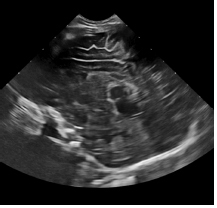
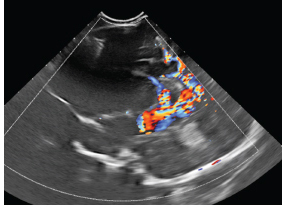
a. What is the probable diagnosis?
b. What is the echocardiogram finding?
c. What are the complications of this condition?
Answer
| a. | Vein of Galen malformation |
| b. | Dilated cardiac chambers and pulmonary hypertension |
| c. | High-output congestive heart failure, seizures, hydrocephalus, and developmental delay |
THG11-048
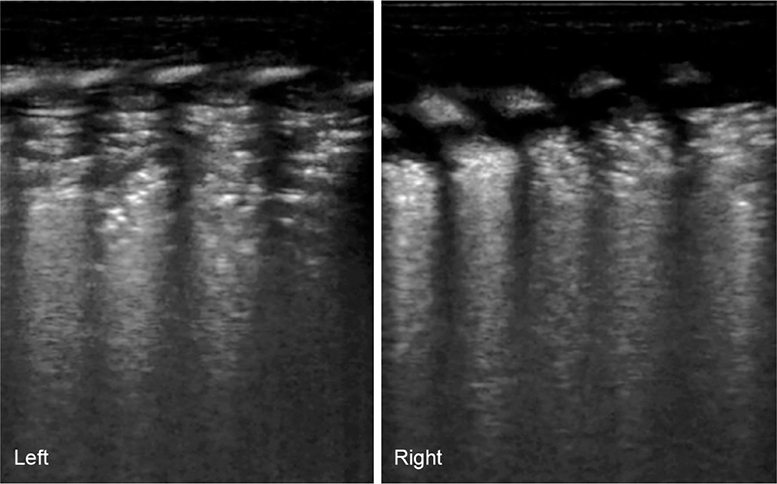
The following are the lung ultrasound pictures in neonates. Answer the respective questions.
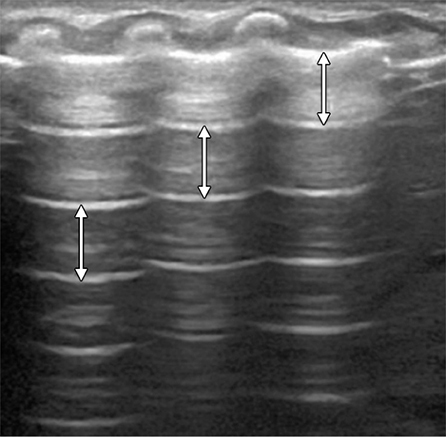
a. Identify the lung ultrasound finding in image 1? What does it indicate?
b. Lung ultrasound of a 28-week-old neonate at 2 hours of life:
i. What are the findings in image 2 (left and right)?
Answer
| a. | A lines; Horizontal lines (artifacts) parallel to the pleural line (reverberation of pleura) |
b. i. Air bronchograms (left); Subpleural consolidation (right)
| ii. | Respiratory distress syndrome |
THG11-049
A 40-year-old G2P1 female’s antenatal scan shows cystic lesion in the right lung at 20 weeks. Baby had respiratory distress after delivery. Postnatal X-ray and CT findings:
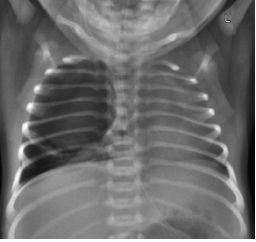
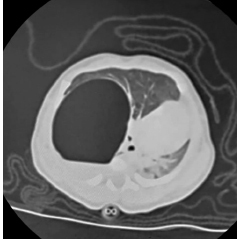
a. What is the probable diagnosis?
b. What is CVR?
Answer
| a. | Type 1 congenital pulmonary airway malformation |
| b. | CVR: CPAM volume ratio, sonographic indicator to evaluate fetuses at risk for hydrops |
| CVR = Volume of CPAM (length × height × width × 0.52) by the head circumference. | |
| <1.6 = <3% risk of hydrops | |
| >1.6 = >75% |
THG11-050
With respect to neurosonogram answer the following questions.
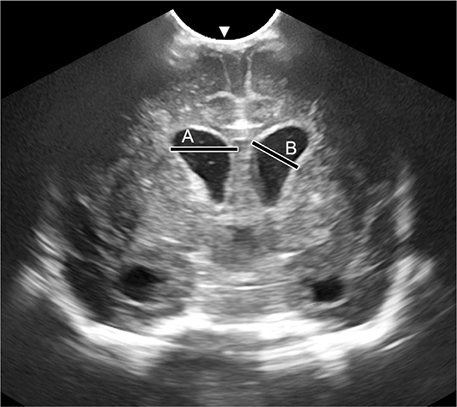
a. Identify the view and define A and B in the given neurosonogram?
b. What are the grades of intraventricular hemorrhage (IVH)?
Answer
| a. | (A) Levene index and |
| (B) Anterior horn width |
Levene index distance between the falx and the lateral wall of the anterior horn of the lateral ventricle in the coronal plane
Anterior horn width is the diagonal width of the anterior horn at its widest point in the coronal plane
| b. | Volpe’s grading: |
| Grade 1: Germinal matrix hemorrhage with no IVH or IVH occupying <10% of the ventricular area in parasagittal view. | |
| Grade 2: IVH occupying 10–50% of the ventricular area on parasagittal view. | |
| Grade 3: IVH occupying >50% of the ventricular area on parasagittal view, distending lateral ventricle. | |
| Parenchymal echo density representing periventricular hemorrhagic infarction |
THG11-051
Enumerate the source, dosage, and route of the following medication:
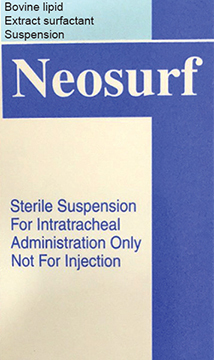
Answer
| ■ | Source: Bovine lipid extract surfactant |
| ■ | Dosage: 135 mg phospholipid/kg |
| ■ | Route: Intratracheally |
THG11-052
Q11.52
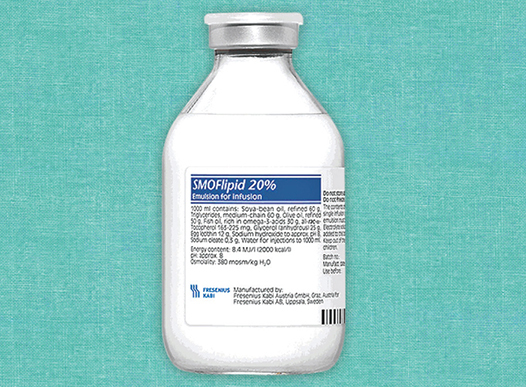
a. What are the components of the given lipid?
b. Recommended dose of lipid?
c. Percentage of lipid infusion preferred and why?
d. What is the lipid approved by the Food and Drug Administration (FDA) for treatment of parenteral nutrition-associated liver disease (PNALD)?
e. What is the ratio of w3:w6 in this lipid?
Answer
| a. | S: Soyabean oil (30%) |
| M: MCT oil (30%) | |
| O: Olive oil (25%) | |
| F: Fish oil (15%) | |
| b. | 3–4 g/kg/day |
| c. | 20% lipid is preferred over 10%; 20% intralipid emulsion has lower phospholipid–triglyceride ratio, so triglycerides are cleared efficiently |
| d. | Omegaven (fish oil) |
| e. | 1:2.5 |
THG11-053
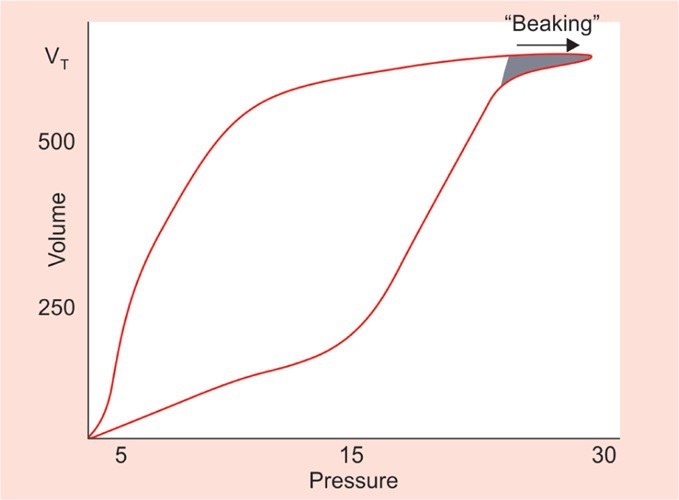
Identify the pulmonary graphic in the figure.
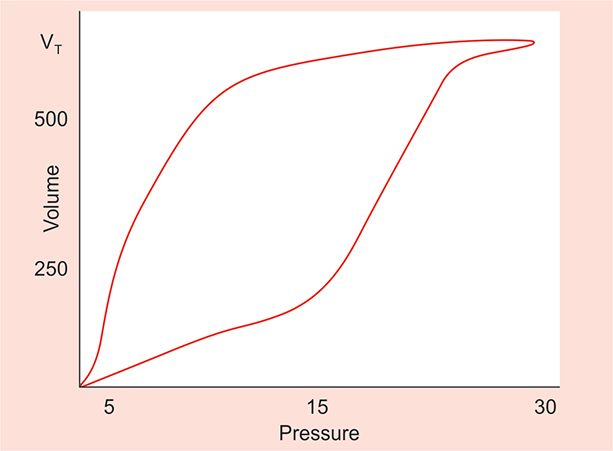
a. What is the trouble shooter?
b. What intervention can be done?
c. What does C20/C < 1 indicates?
Answer
| a. | Volume-pressure loop showing beaking (pressure continues to rise without change in volume) |
| b. | Intervention—reduce the inspiratory pressure |
| c. | C20/C <1 indicates overdistension; Compliance in the last 20% of inspiration/total compliance |
THG11-054
A 27+ 6 weeks 950 g preterm neonate required 3 days of mechanical ventilation and 2 weeks of noninvasive respiratory support.
a. What is the ideal time for retinopathy of prematurity (ROP) screening in this baby?
b. What are the eligibility criteria for ROP screening?
c. What are the long-term morbidities of ROP?
Answer
| a. | 2–3 weeks of postnatal age (PNA) |
| First screening for ROP should be performed at 4 weeks PNA. | |
| In neonates <28 weeks of gestation or with birth weight <1,200 g (if gestation at birth is not confirmed conclusively), the first examination for ROP should be preponed to 2–3 weeks PNA | |
| b. | All babies <34 weeks, babies <2 kg (if gestational age is unknown) |
| Babies between 34 and 36 weeks of gestation with following risk factors: |
| • | Cardiorespiratory support |
| • | Prolonged oxygen therapy |
| • | Respiratory distress syndrome |
| • | Chronic lung disease |
| • | Fetal hemorrhage |
| • | Blood transfusion |
| • | Neonatal sepsis |
| • | Exchange transfusion |
| • | Intraventricular hemorrhage |
| • | Apneas |
| • | Poor postnatal weight gain |
| c. | Long-term morbidities of ROP are myopia, anisometropia, astigmatism, strabismus, glaucoma, late retinal detachment, and amblyopia |
THG11-055
A 27+ 6 weeks 950 g preterm neonate required 3 days of mechanical ventilation and 2 weeks of noninvasive respiratory support. ROP screening was done, and baby showed zone 1 stage 3 ROP but no plus disease.
a. How to prepare the baby for ROP screening?
b. Whether the baby qualifies for ROP treatment?
c. Name two treatment modalities?
Answer
| a. | Follow the following steps for preparing baby prior to ROP screening: |
| • | Maintain euthermia and asepsis |
| • | Feeding 1 hour prior at least |
| • | Dilate the pupils with tropicamide (0.5%) and phenylephrine (2.5%) 1 drop three times at 10 minutes interval. Pupil usually dilates in 30 minutes time and it persists for 30–45 minutes. |
| • | Developmental supportive care |
| • | Analgesia can be given 30 seconds prior to insertion of speculum |
| • | Milk swab or pacifier or nonnutritive sucking |
| • | Documentation of date, time, finding in both eyes across quadrants by ophthalmologist, and inform parents |
| b. | Yes |
| Criteria for ROP treatment: |
Type 1 ROP:
| • | Zone I ROP: Any stage with plus disease |
| • | Zone I ROP: Stage 3, no plus disease; and |
| • | Zone II: Stage 2 or 3 with plus disease |
| c. | LASER and anti-vascular endothelial growth factor (anti-VEGF) (bevacizumab, ranibizumab, and aflibercept) |
THG11-056
With respect to the image given below answer the following questions.
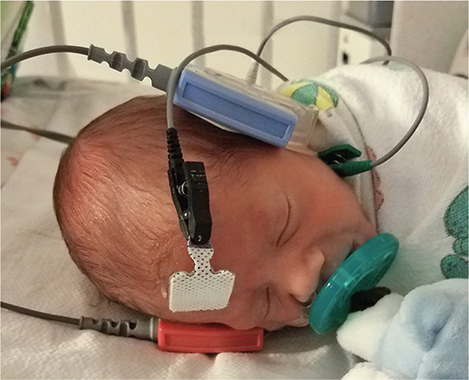
a. Identify the test being performed.
b. What is the minimum recommended age for the given screening test?
c. How does this work?
Answer
| a. | AABR (automated acoustic brainstem response) |
| b. | 34 weeks |
| c. | Measures signals from eight nerves onward till inferior colliculus of midbrain. Detects both sensorineural hearing loss and auditory neuropathy. AABR tests the presence or absence of wave V of ABR at stimulus of 35 dB |
THG11-057
Q11.57
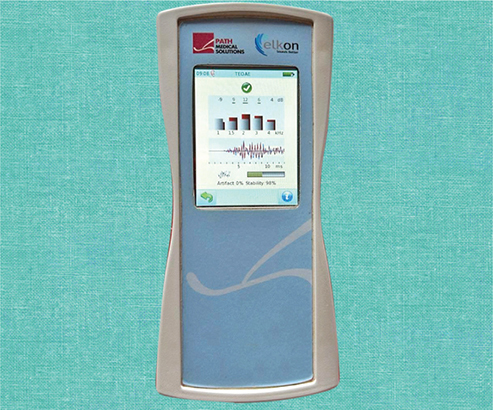
a. Identify the test being performed.
b. What are the types?
c. Name one screening test and one diagnostic test for hearing loss.
d. What is 1-2-3 rule?
Answer
| a. | Otoacoustic emission (OAE) screening test: OAE receives signal from outer hair cells recorded by microphone. |
| b. | Transient evoked OAE (TEOAE) and distortion product OAE (DPOAE) |
| c. | Screening—AABR, OAE; Diagnosis—BERA (brainstem evoked response audiometry) |
d. • 1 month—screening
| • | 2 month—identification |
| • | 3 month—intervention |
THG11-058
Q11.58
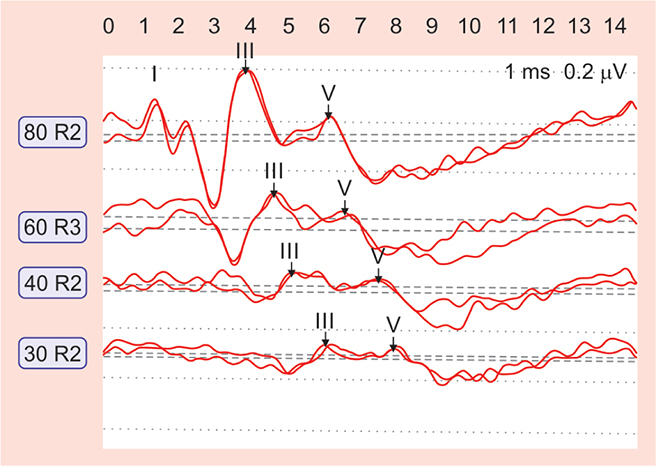
a. Which is the most reliable wave in the waveform?
b. Wave V originates from which part of auditory pathway?
c. What are the changes in acute bilirubinopathy?
Answer
| a. | Wave V is the most reliable and easily identifiable wave in tracing. |
| b. | Inferior colliculus |
| c. | Prolonged latency and interwave conduction time (I-III and I-V), decreased amplitude (I, III, and V) |
| Wave I—outer hair cells | |
| Wave II—inner hair cells | |
| Wave III—superior olivary complex | |
| Wave IV—lateral leminiscus | |
| Wave V—inferior colliculus | |
| Wave VI—medial geniculate body | |
| Wave VII—auditory radiations |
THG11-059
With respect to the image below answer the following questions.
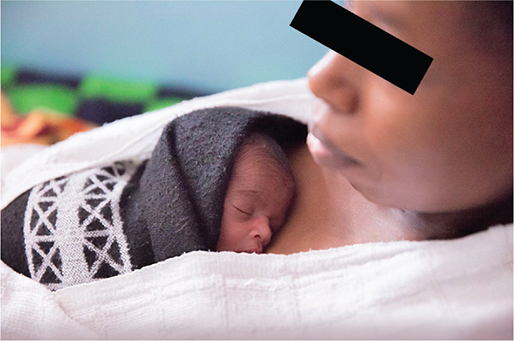
a. Enumerate the components of above picture.
b. What is the minimum duration of KMC to be given per session?
c. What is “i KMC”?
Answer
| a. | (1) Skin-to-skin contact, (2) exclusive or nearly exclusive breast feeding/expressed human milk, and (3) early discharge and KMC at home and follow-up |
| b. | 1 hour |
| c. | Immediate KMC—continuous KMC given as early as possible after birth in babies between 1 and <1.8 kg. It reduces mortality. |
THG11-060
Q11.60
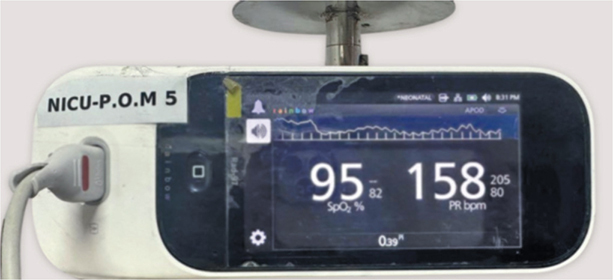
a. What is the principle of this instrument?
b. What is SET technology, what is its advantage?
c. What is rainbow SET pulse oximetry?
Answer
| a. | Beer–Lambert law |
| b. | Signal extraction technology (SET): It is a patented technology of MASIMO. It reduces motion artifact. |
| c. | Rainbow SET pulse oximetry uses seven algorithms and measure SpO2 along with total hemoglobin, respiratory rate, Pleth variability index, oxygen content, levels of carboxyhemoglobin, and methemoglobin. |
THG11-061
Q11.61
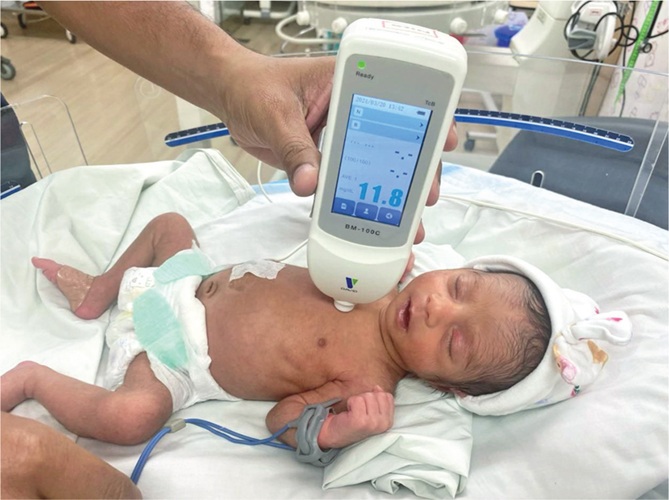
a. Identify the device.
b. What is the principle of this instrument?
c. What are the common sites for its use?
d. What are the advantages and limitations of this device?
Answer
| a. | Transcutaneous bilirubinometer |
| b. | Measures the spectral reflectance of bilirubin by difference in optical density of light reflected by skin. |
| c. | Forehead and sternum |
d. • Advantage: Noninvasive, good correlation with total serum bilirubin (TSB)
| • | Limitation: Unreliable in neonates <35 weeks of gestation, underestimates TSB at higher ranges >15 mg/dL, not accurate once phototherapy started, and costly. |
THG11-062
Q11.62
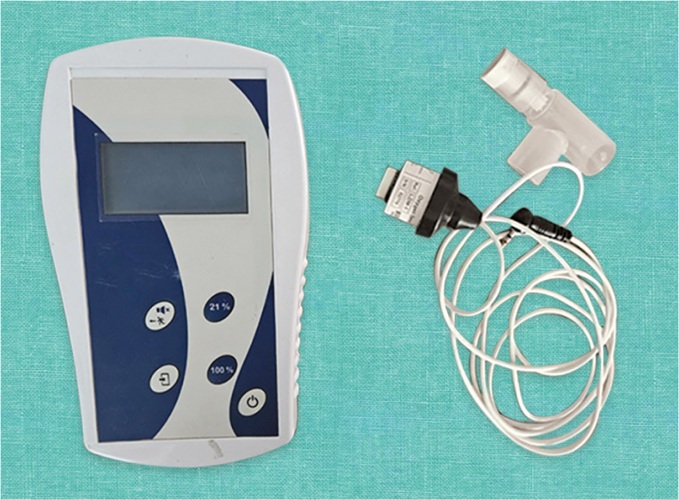
a. Name the instrument.
b. What is OI?
c. What is AaDO2?
Answer
| a. | Oxygen analyzer or FiO2 monitor—used to monitor FiO2 in certain devices which do not have inbuilt FiO2 analyzer like hood and incubators. |
| b. | Oxygenation index (OI) = (MAP × FiO2)/PaO2 |
| Where MAP is mean airway pressure, FiO2 is fraction of inspired oxygen in percentage, and PaO2 is partial pressure of oxygen in arterial blood | |
| c. | AaDO2 is alveolar arterial gradient: |
| AaDO2 = Partial pressure of oxygen in alveoli (PAO2) – Partial pressure of oxygen in arterial blood (PaO2) | |
| PAO2 = [(Patm – PH2O) × FiO2] – (PaCO2/RQ) | |
| Patm—atmospheric pressure at sea level (760 mm Hg) | |
| PH2O—partial pressure of water vapor (47 mm Hg) | |
| PaCO2—partial pressure of carbon dioxide | |
| RQ—respiratory quotient (0.8) | |
| AaDO2 = [(760 – 47) × FiO2] – (PaCO2/RQ) – PaO2 |
THG11-063
Q11.63
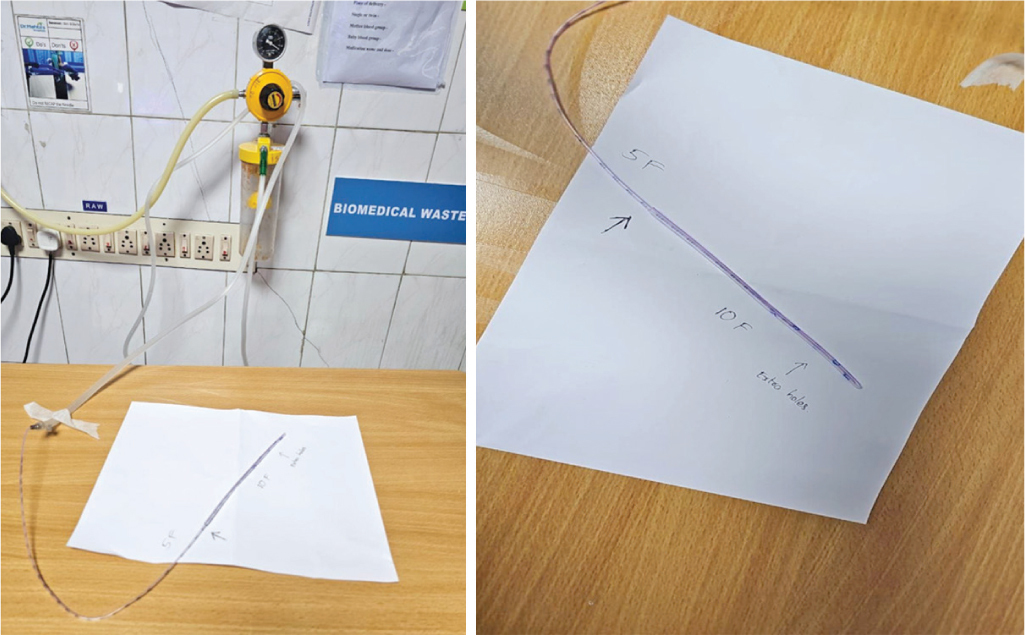
a. Identify the above instrument.
b. What are the indications for its use?
c. How does this work?
d. What are the advantages of this tube?
Answer
| a. | Replogle tube |
| b. | It is used in esophageal atresia and tracheoesophageal fistula in preoperative period. |
| c. | It helps in continuous drainage of secretions through low suction device |
| d. | It prevents aspiration by continuously removing the secretions from esophageal pouch. |
THG11-064
With respect to neonatal jaundice, answer the following:
a. What is flux meter used for?
b. What is the recommended irradiance for intensive therapy?
Answer
| a. | It is used to measure the irradiance output of phototherapy units. |
| b. | 30 μW/cm2/nm |
THG11-065
Q11.65
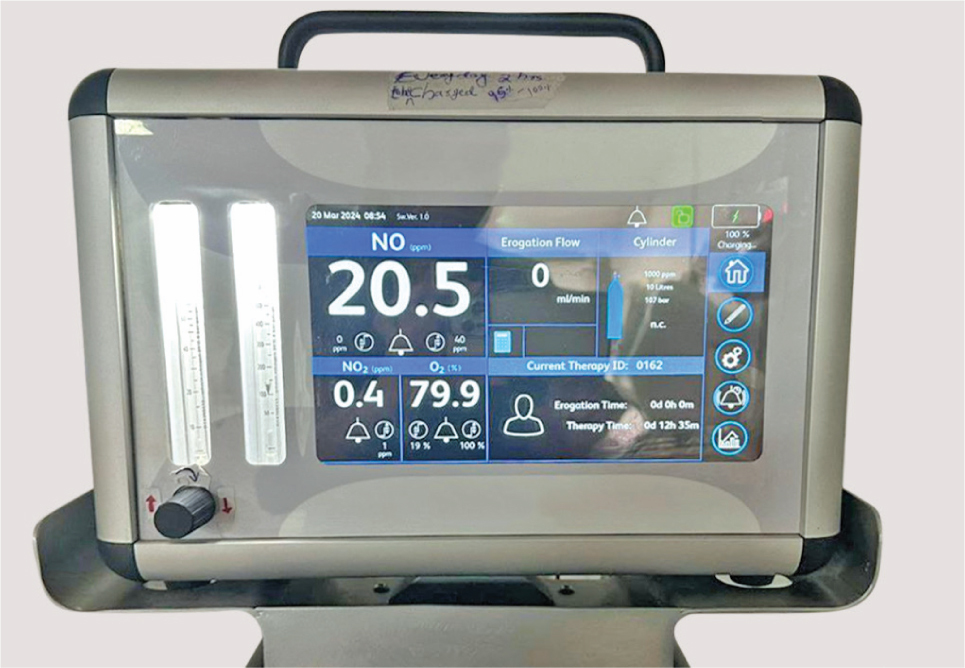
a. Identify the equipment.
b. What are the indications to start the therapy?
c. What is the mechanism of action?
d. What is the starting dose?
e. What is the response to therapy?
f. When to wean?
Answer
| a. | Inhaled nitric oxide delivery system |
| b. | Newborns ≥34 weeks of gestation with PaO2 <100 on 100% FiO2 or oxygenation index >15–20 |
| c. | Pulmonary vasodilatation, decreases extrapulmonary right-to-left shunting, microselective effect, decreases inflammation, and decreases oxidant injury |
| d. | Starting dose is 20 ppm. |
| e. | Following response is expected in 30 minutes: |
| • | PaO2 increase ≥20 mm Hg or 20% improvement from baseline |
| • | An increase in oxygen saturation ≥10% |
| • | 20-20-20 rule: Consider starting at OI of 20 with iNO at 20 ppm and an increase in PaO2/FiO2 ratio of 20 mm Hg or more. |
| f. | Consider weaning the iNO when the FiO2 is ≤0.60 and PaO2 is maintained at 60 mm Hg for at least 60 minutes (60-60-60 rule of iNO) |
THG11-066
Q11.66
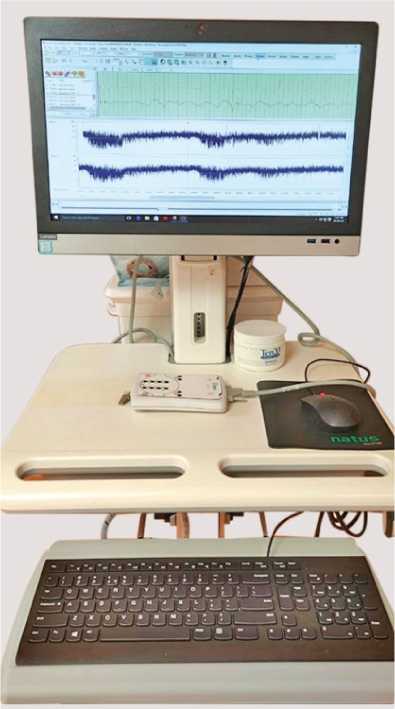
a. What monitoring the given image shows?
b. How does this work?
c. What are the clinical applications?
Answer
| a. | Cerebral function monitoring/aEEG (amplitude-integrated EEG) |
| b. | CFM records a single channel of EEG by using biparietal or frontal lead (three electrodes). The acquired signal is filtered, rectified, and semilogarithmically compressed. |
| c. | Neonatal seizures, prognostication of hypoxic-ischemic encephalopathy (HIE), monitoring anticonvulsant drug response, and degree of encephalopathy |
THG11-067
Q11.67
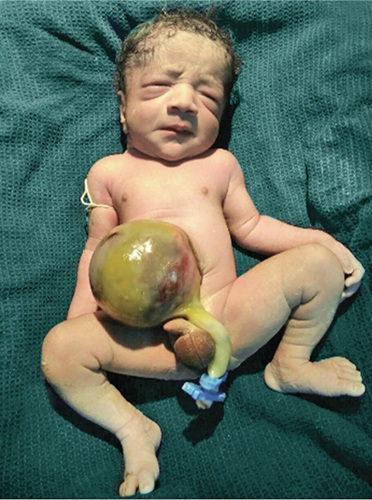
a. What is the diagnosis?
b. Intracorporeal liver is more commonly associated with genetic defects than extracorporeal liver—True or False.
c. What are genetic syndromes associated with the diagnosis?
d. What is pentalogy of Cantrell?
Answer
| a. | Omphalocele |
| b. | True—isolated omphalocele with the sac containing only intestine is associated with more genetic defects than extracorporeal liver |
| c. | Trisomy 18, 13, and 21 and Beckwith–Wiedemann syndrome |
| d. | The pentalogy of Cantrell—abdominal wall defect, lower sternal defect, cardiac defects, defects in pericardium, and diaphragmatic defects. |
Figure Sources
Figures of Q11.56 and Q11.59 are from open source.
All the other figures are from author’s personal collection.