MNJ30-001
- 2? Mention two indications for this.
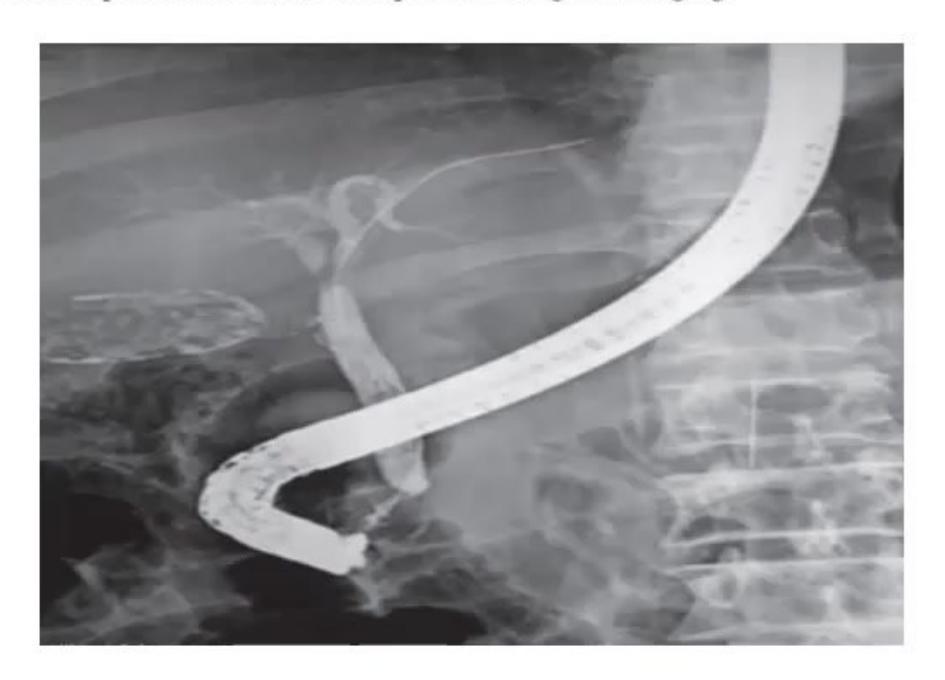
- Identify the radiological imaging
- Mention two precautions to be taken prior to doing this imaging.
Answer
No model answer in source material.
MNJ30-002
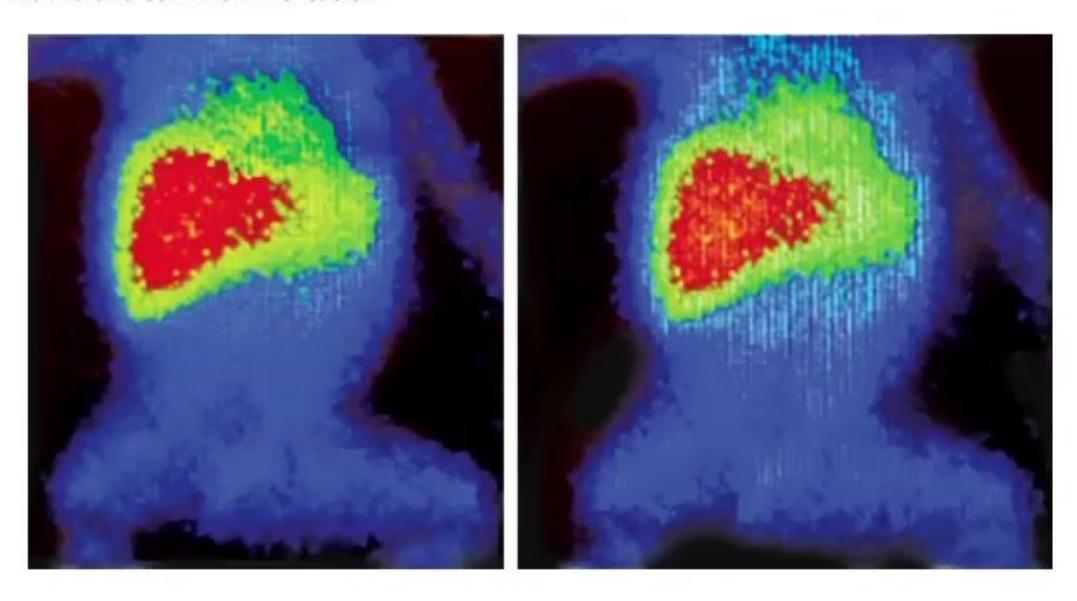

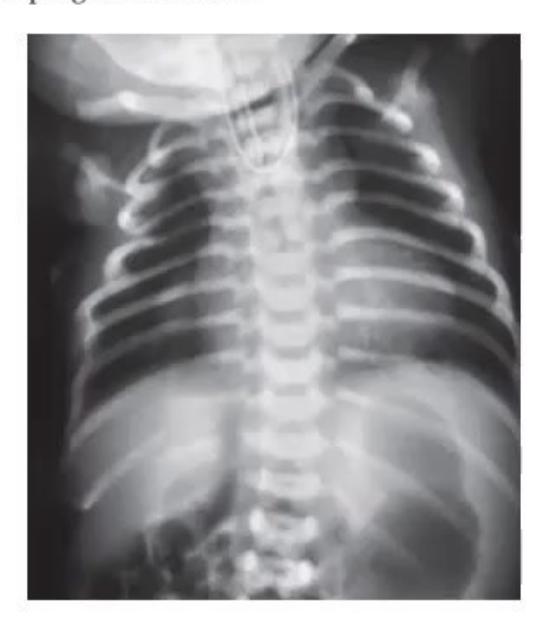
- What 1s this modality of investigation?
- Name one common indication
- Diagnosis.
- Whatis the clinical diagnosis?
- What 1s the requirement of echo before surgery?
- What are poor surgical prognostic factors?
Answer
No model answer in source material.
MNJ30-003
An 8-year-old female child Ritu presents with acute pain abdomen, fever with vomiting from 12 hours child is looks dehydrated on examination with tenderness at right iliac fossa, X-ray was:
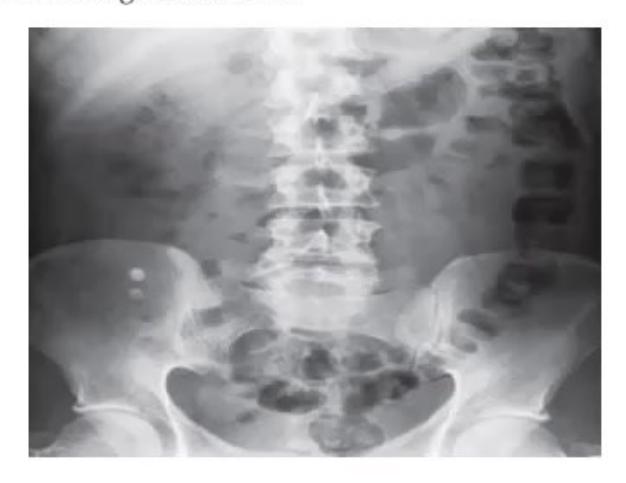
- What 1s clinical diagnosis?
- What does X-ray show?
- USG criteria for disease.
- Most specific sign in clinical examination.
- Investigation of choice and gold standard
Answer
No model answer in source material.
MNJ30-004
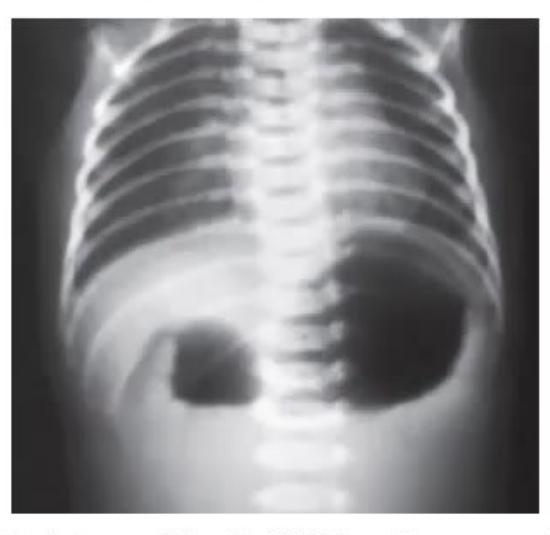
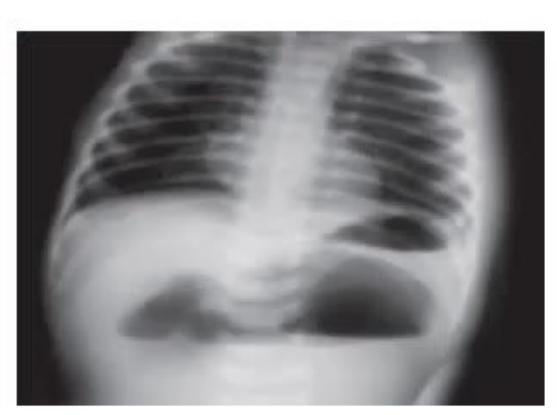
- Describe the sign and its causes ot image A and B
- Association with syndrome with image A.
- Associate anomaly with image A.
Answer
No model answer in source material.
MNJ30-005
A 11-year-old male child Neeraj presents with constipation since birth, mother gave history of delayed passage of meconium:
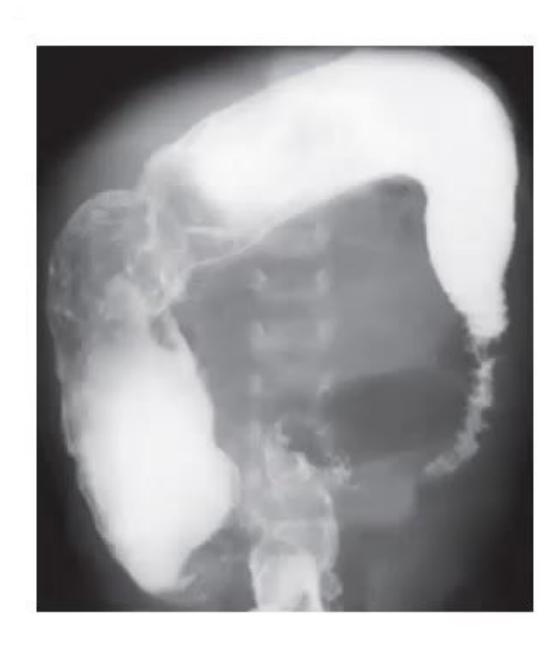
- What 1s this study, and what is interpretation?
- Diagnosis
- How will you differentiate it from functional constipation?
- Investigation of choice
- Treatment
Answer
No model answer in source material.
MNJ30-006
**(Very Important):
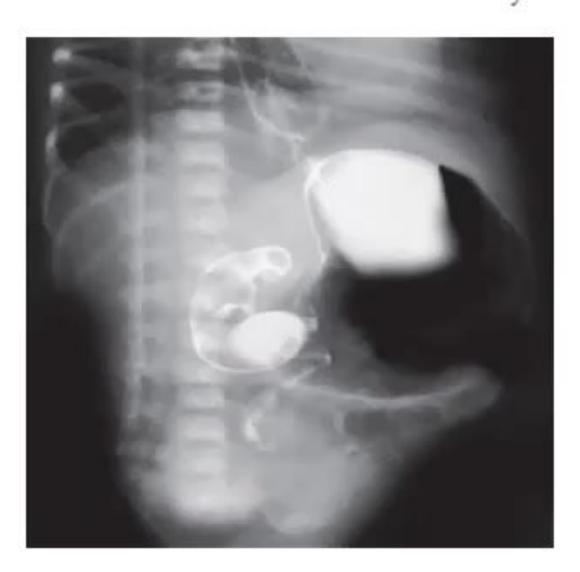
- What is the radiological investigation?
- What sign 1s demonstrated?
- What is the diagnosis?
- What is the commonest age group in which the following condition occurs?
- What are the other conditions associated with this abnormality?
Answer
No model answer in source material.
MNJ30-007
**
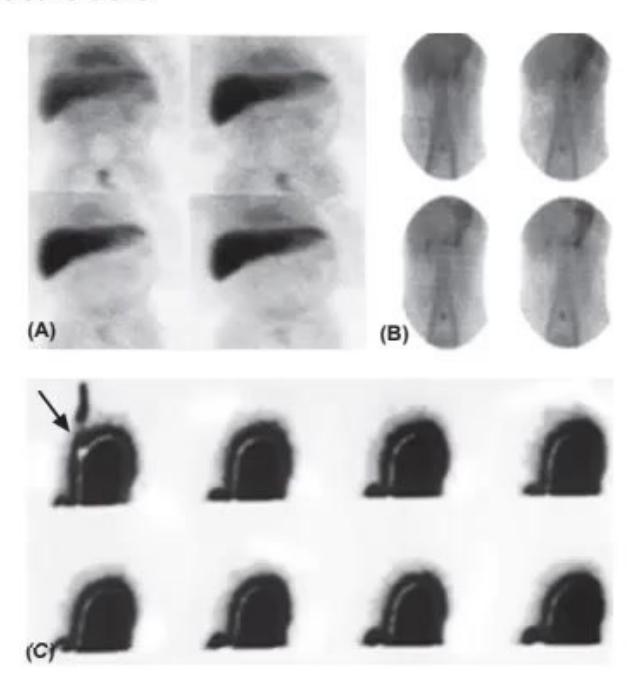
- Write down name of all three diagnosis study.
- Diagnosis all three conditions.
Answer
No model answer in source material.
MNJ30-008
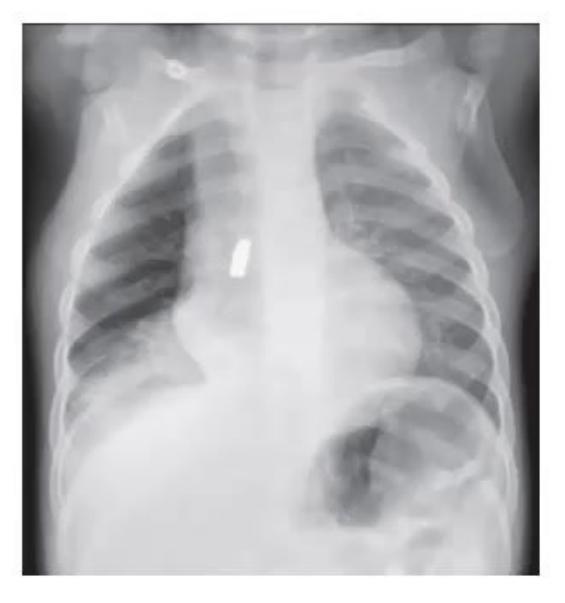
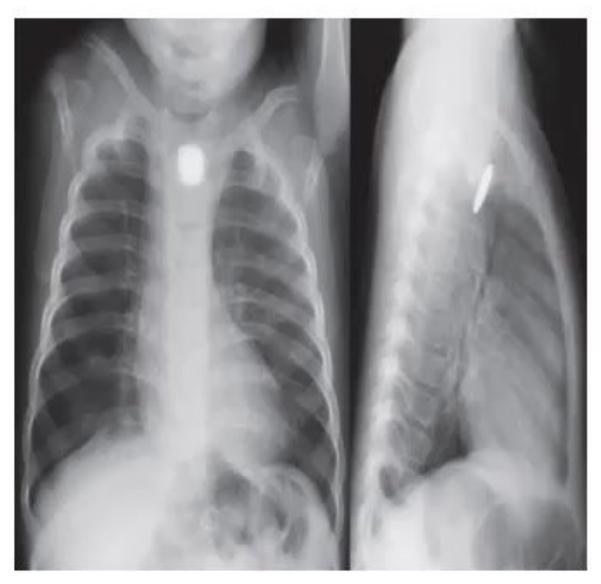
- Identify these two images and give the diagnosis.
- How will you differentiate tracheal FB from esophagus FB by X-ray?
Answer
No model answer in source material.
MNJ30-009
** A 4-day-old neonate baby of Anita came with complaints of not pass stool since birth, imaging study was done:
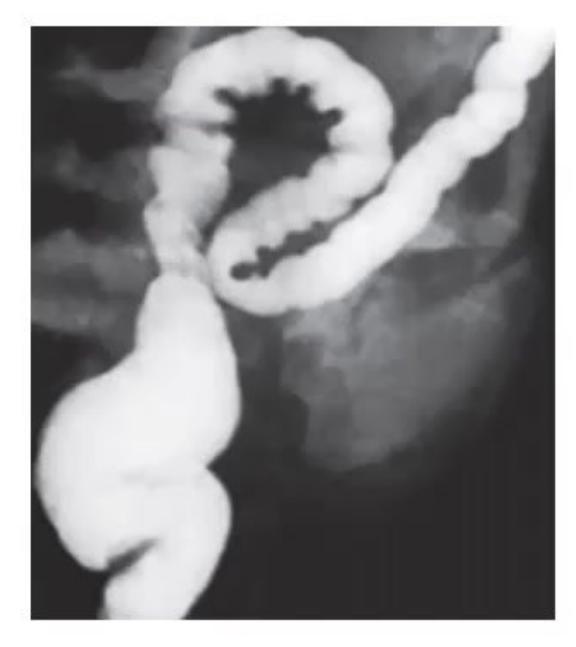
- What 1s diagnosis by this image?
- What 1s associated condition and what is responsible gene for that?
- What 1s characteristic finding in dilated segment during operung of intestine during laparotomy?
Answer
No model answer in source material.
MNJ30-010
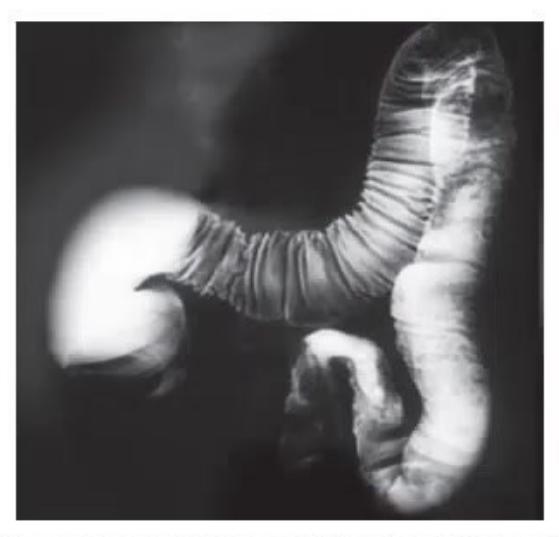
- Identify the condition.
- Write down the classical triad.
- Classical barium enema finding.
- Treatment
Answer
No model answer in source material.
MNJ30-011
A 14-year-old girl has a 2-month history of diarrhea. She has lost 10 kg in weight. On examination, she looks rather pale; the abdominal examination is unremarkable. She has a barium enema examination. This X-ray is taken from her barium enema series. Examine the film and then answer the questions:
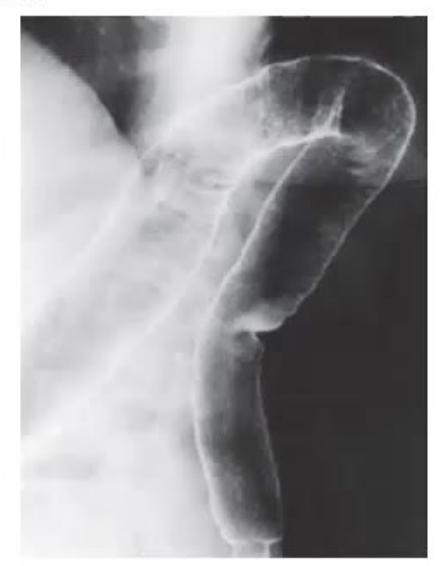
- What abnormal features are shown on this X-ray?
- What 1s the diagnosis?
- What complications can develop? (Write any 4)
- Drugs to treat this condition.
Answer
No model answer in source material.
MNJ30-012
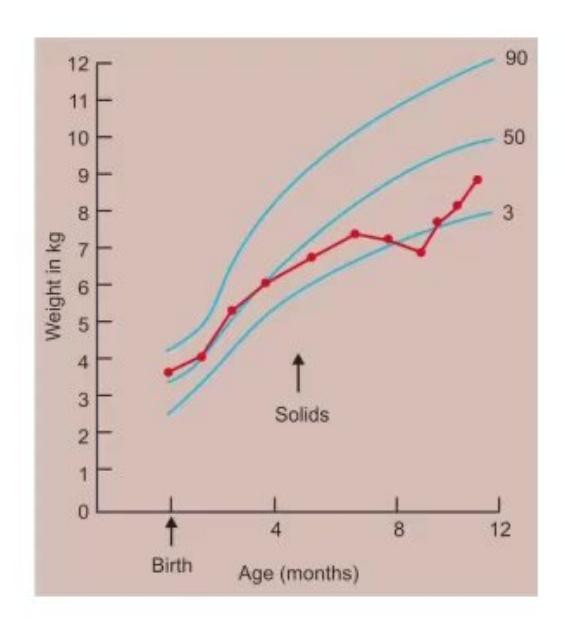
A baby born at term weight: 3.6 kg, was on exclusive breastfeeding for 41/2 months when solid foods were introduced. Was sent to hospital at 8 months of age with history of poor weight gain, intermittent diarrhea, vomiting and irritability. On admission, she was pale with abdominal distension and mild wasting. Her lab reports Hb: 9, WBC 9000, platelet: 4,70,000, Na: 137, K: 5.3, urea 6.6, sweat test is normal:
-
a. Cornflakes
-
c. Sago (sabudana)
-
e Bajara roti
-
f Dalia
- What is the most likely diagnosis?
- Write confirmatory investigation (gold standard).
- What treatment was done on admission (refer the growth chart)?
- Write yes or no depending upon whether the following foods are permitted for a child suffering from this condition.
a. Cornflakes
c. Sago (sabudana)
b. Maggi noodles
d. Oats cereal
Answer
No model answer in source material.
MNJ30-013
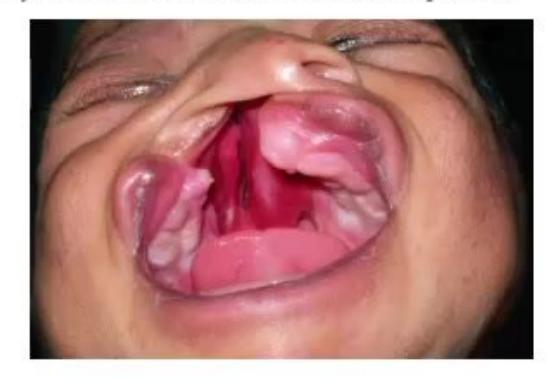
- What is the diagnosis?
- What is the embryologic basis of these defects?
- In an otherwise healthy child, when are these defects repaired?
Answer
No model answer in source material.
MNJ30-014
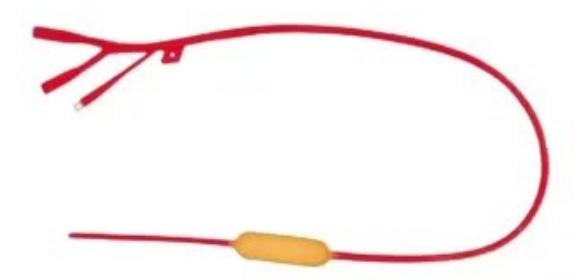
- Identify the instrument
- What are the indications for its use?
- Whatis the mecharusm of its action?
Answer
No model answer in source material.
MNJ30-015
- Write down model menu for mid-day school meal.
- According to National Institute of Nutrition minimum number of feeding days in a year should be (mention days) to have desired impact on the children.
Answer
No model answer in source material.
MNJ30-016
A 2-year-old child is evaluated 18 months after an unsuccessful Kasai procedure to treat extrahepatic biliary atresia. He is jaundiced and has signs of cirrhosis and portal hypertension. He is drowsy, has an ataxic gait and shows no deep tendon reflexes. What has led to this neuromuscular disorder?
Answer
No model answer in source material.
MNJ30-017
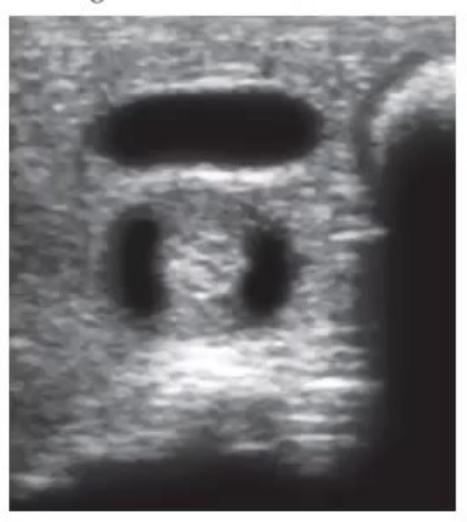
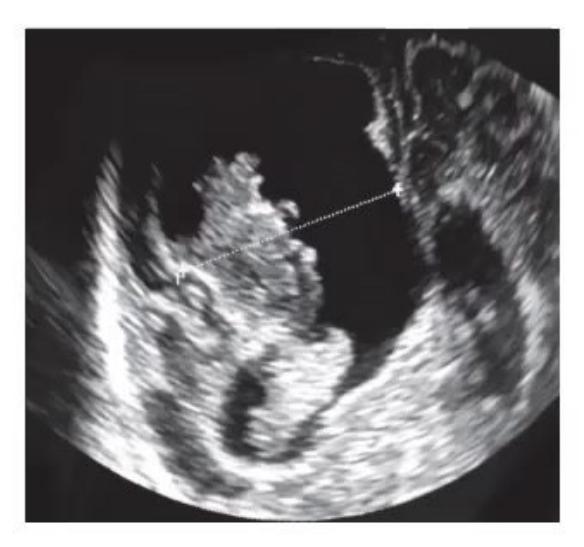
- Identify these two USG film and write down the ultrasound critena for diagnosis of this disease.
- What is medical treatment available?
- Triad of gastric volvulus.
Answer
No model answer in source material.
MNJ30-018
Case scenario
- An 18-month-old boy is receiving augmentin for otitis media. Now he has diarrhea and a diaper rash. There is no fever or vomiting.
- A 3-year-old male has temperature of 103°F and shaking chills versus febrile seizure. He and other children in his daycare have had diarrhea and fevers. He has had blood in the stool.
- A 12-year-old female has had diarrhea, bloating and gas. She often notices some abdominal pain in the late mornings and early afternoon. She has not noticed blood in her stool.
Answer
No model answer in source material.
MNJ30-019
A 13-year-old boy develops right upper-quadrant pain and fever with chills and rigors. An abdominal ultrasound reveals: Hyperechoic liver parenchyma. Dilatation of several intrahepatic bile ducts, few bilateral renal cysts:
- What is the diagnosis?
- What is the cause of fever with chills in this case?
- What are the components of this disease/syndrome?
- Which gene has been implicated for the above?
Answer
No model answer in source material.
MNJ30-020
Mention five differences between osmotic and secretory diarrhea.
Answer
No model answer in source material.
MNJ30-021
With regard to the hormone-secreting diarrhea answer the following:
- Mention 5 hormones involved in it.
- Mention the disease associated with each of those hormones.
- Mention one specific treatment for each of those mentioned above
Answer
No model answer in source material.
MNJ30-022
- Mention three types of progressive familial intrahepatic cholestasis, with the defect in each of them.
- Mention the dosage of fat soluble vitamins required for supplementing in a child with prolonged cholestasis of infancy
Answer
No model answer in source material.
MNJ30-023
- Mention five conditions that present a clinical/pathologic picture resembling Reye syndrome.
- Write down clinical stages of Reye syndrome
Answer
No model answer in source material.
MNJ30-024
Mention five patterns of hepatic drug injury with one example for each.
Answer
No model answer in source material.
MNJ30-025
Identify images A and B.
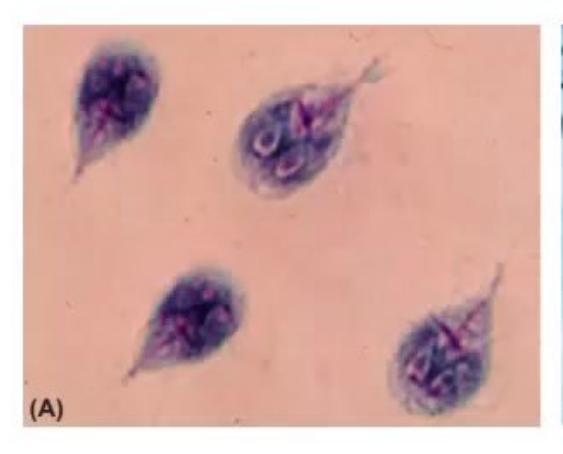
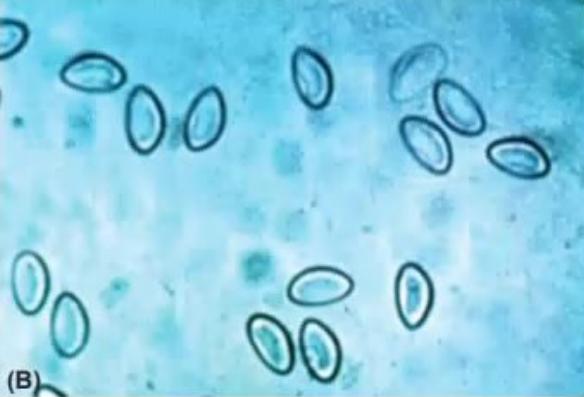
Answer
No model answer in source material.
MNJ30-026
A10-day-old neonate presented with lethargy, feed refusal and abdominal distension. He was on formula-feed and born as 31 weeks preterm:
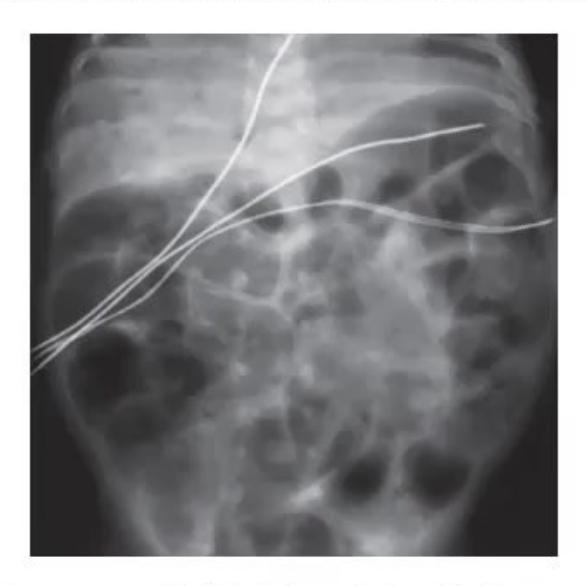
- What stage of NEC 1s depicted in the X-ray?
- Whats the radiological feature of bell stage I] NEC?
- Name two more conditions associated with pneumatosis intestinalis.
Answer
No model answer in source material.
MNJ30-027
A 5-week-old infant presented with cholestatic but also have swelling in the left thigh that is tender:
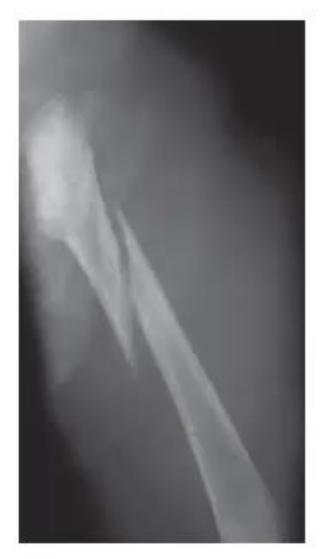
- Whatis the likely cause of fracture femur in this case?
- How can this complication be prevented?
- How do you manage pruritus in these patients?
- An infant with cholestasis, triangular facies, and a pulmonic stenosis murmur is likely to have what syndrome?
Answer
No model answer in source material.
MNJ30-028
A two-hour-old neonate presented with severe respiratory distress since birth:
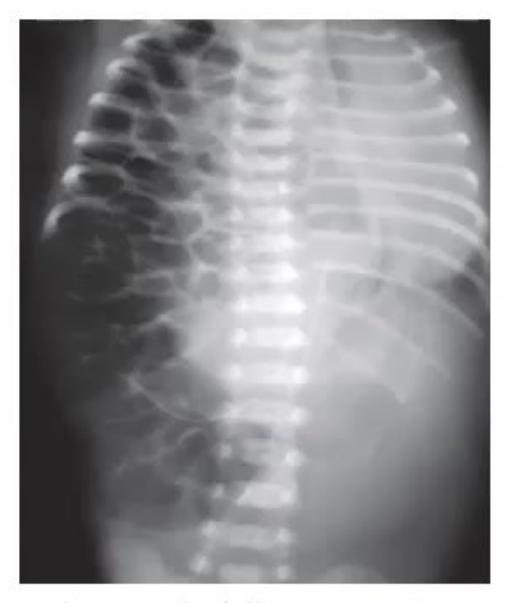
- Diagnosis
- What are the embryologic events that lead to this development?
- What are three causes of respiratory distress in a baby born with this condition?
Answer
No model answer in source material.
MNJ30-029
See the image below and answer the following questions.
| 422 OSCE Clinical Pediatrics |
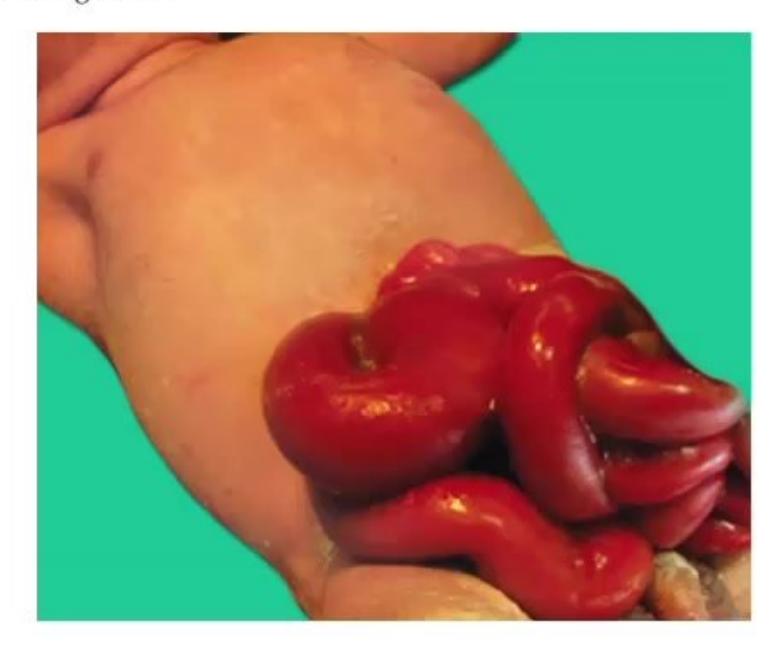
- What 1s the diagnosis?
- What 1s the differential diagnosis?
- What are the associated anomalies?
- What 1s the management?
Answer
No model answer in source material.
MNJ30-030
A7-year-old girl with strong family history of chronic fatal liver disease presents with features of hemolysis. She has complaints of abnormal movement of hand and jaundice since last 7 days:
- List one clinical examination which may give the diagnosis.
- State most probable group of etiology based on answer to question '1'
- List three most important tests for diagnosis with values
- Qutline the management of this child.
Answer
No model answer in source material.
MNJ30-031
Match the following:
- Secretory diarrhea—thyrotoxicosis
- Osmotic diarrhea—cholera
- Increase mobility—lactate deficiency
- Decrease mobility—celiac disease
- Decrease surface area—blind loop
Answer
No model answer in source material.
MNJ30-032
- Write down 4 metabolic causes of constipation.
- Write down 4 complicahons of vomiting.
- Calculate stool anion gap
- What 1s importance of stool anion gap?
Answer
No model answer in source material.
MNJ30-033
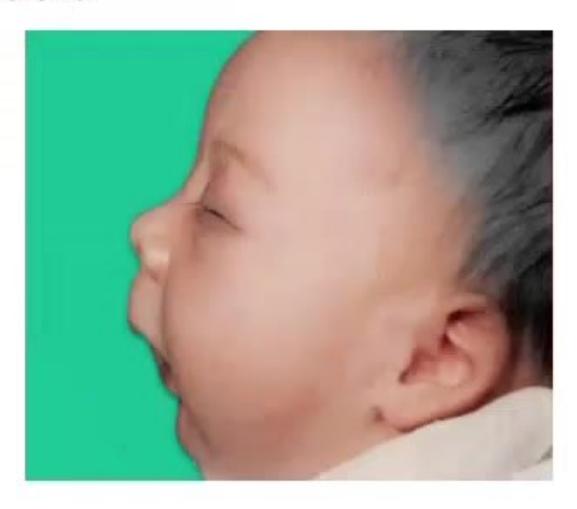
- Identify this mage
- Write down its classical / clinical feature.
- Whats this? Syndrome/sequence / malformation.
- Write two more examples of similar genetic pattern
- What 1s strickler syndrome?
Answer
No model answer in source material.
MNJ30-034
True/False about celiac disease:
- B/L occipital calcification is known finding
- NHL 1s main cause of dealth
- Flat jeyunal mucosal surface is characteriste finding oh OT "J
- Patient can eat <50 mg/day gluten but due to individual vanability universal data 1s not set for minimum ingestion.
- Glutenins, hordems, secalins are well known tnggers
- HLA DQ6 association.
- Short stature is most common manifestation.
Answer
No model answer in source material.
MNJ30-035
A 6-year-old male child Mahapatra presents with ataxia, foul smelling bulky stool from last 30 days, and poor performance in school. Blood triglyceride level is 15 mg/dl:
- Whats diagnosis of this condition?
- What will you find in retinal examination and peripheral blood film?
- Which nervous system parts affect in this disease?
- Whats treatment?
Answer
No model answer in source material.
MNJ30-036
Match the following in view of food poisoning:
- After 6 hours of ingestion of fned rice with meat present with vomuting.
- After 2 days of ingestion of unpasteurize milk present with fever and bloody stool.
- After 24 hours of ingestion of egg and milk present with fever, diarrhea
- After 6 hours of ingestion of salad in marriage present with vomiting and diarrhea but no fever.
Answer
No model answer in source material.
MNJ30-037
Match the following stool test:
- Elastase—rectal inflammation.
- Chymotrpsin—intestinal inflammation
- Calprotectin—pancreatic sufficiency. "Io Ul em to ho
- Reducing substance—protein loss.
- Cellobiose absorption test—pancreatic insufficiency.
- No inrectal dialysate—carbohydrate malabsorption.
- Alpha 1 antitrypsin—increase intestinal permeability.
Answer
No model answer in source material.
MNJ30-038
This is the X-ray of 1-day-old child with distension of abdomen:
-
- Low lesion is associated with perineal fistula and well-formed buttock.
- ui. High lesion associated with rectobulbourethral fistula and flat buttock.
- ii. Invertogram has a little value in diagnosis, prone cross table X-ray is most important for
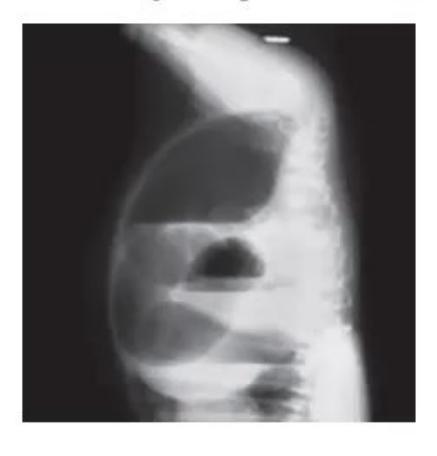

- Whats the investigation known as, and what 1s the diagnosis?
- Whats the treatment?
- True/ False:
- Low lesion is associated with perineal fistula and well-formed buttock.
- Palmar erethyma, spider navi
- Leukonychia
- Dupuytren contracture
- Fetor hepaticus
- Parotid swelling
Answer
No model answer in source material.
MNJ30-039
A 10-year-old male child presents with jaundice, irritability, poor school performance and severe anemia. On examination, child has tremor and chorea like movement
| ABsAg | Anti-HBe Igm | Antti HBc | Anti-HBsAg | |
|---|---|---|---|---|
| Be | + | - | = | = |
| b. | + | + | - | - |
| é | = | = | = | + |
| d. | a | - | + | - |
| e. | - | - | + | + |
©.42. Match the following about hepatitis:
- What 1s probable diagnosis of this condition?
- What are endocrinal manifestations?
- What is gold standard test?
- Name 4 drug uses in treatment?
- What 1s cause of anemia in this patent?
Answer
No model answer in source material.
MNJ30-040
A mother of two children came to you for advice as she is going to visit another country for 4 months where hepatitis A infection is very prevalent, her older child is 3-year-old and younger one is 9 months advice him about prevention of hepatitis A.
Answer
No model answer in source material.
MNJ30-041
A 7-month-old female baby presented with persistent cough, failure to gain weight and bulging mass from his rectum. Kindly see the image and answer the following question?
ANSWERS
Ans. 1. 1. ERCP
-
· Obstructive jaundice
-
Chronic pancreatitis
-
Tumor of bile duct or pancreas
-
Sx backup
-
Acute pancreatitis
-
Myocardial infarction
-
Ans. 2. 1. Hepatobiliary scintigraphy
-
- Indication
- Biliary atresia
-
-
Ans. 3. 1. Tracheoesophageal fistula
-
- Excessive drooling, chocking
-
- To rule out associated congenital heart diseases right-sided aorta
-
- Gap beetween ends is >3 cm, weight <1500 g
-
-
Ans. 4. 1. Acute appendicitis
-
- Appendicolith (stone in appendix)
- Luminal dilatation, absence of compressibility, wall thickness >6 mm, complex mass in RLO
-
- Tenderness at RLQ
-
- USG, CT scan is gold standard
-
-
Ans. 5. 1. Double bubble sign: Duodenal atresia (A) Tripple bubble sign: Jejunal atresia (B)
-
- Down syndrome
-
- Annular pancreas
-
-
Ans. 6. 1. Barium enema showing dilated proximal loop and constricted distal loop
-
- Hirschsprung's disease
- In Hirschsprung during per rectal examination (PR): Gush of stool come out (not in functional constipation). Empty rectum in constipation but filled with stool in Hirschsprung
-
- Rectal biopsy-but that should be taken 2 cm above the dentate line
-
- Pull through procedure
-
-
Ans. 7. 1. X-ray abdomen with barium shallow follow through study
-
- 2nd part of duodenum dilated and there was passage of very little barium across stricture, giving the classic "cork-screw" appearance 3rd and 4th part of duodenum and proximal jejunal loops were on right side of spine
-
- Malrotation with volvulus
-
- In 80% in first 2 months
- Annular pancreas
-
-
Ans. 8. 1. a. HIDA scan
- b. T99 pertechnate scan
- c MILK scan
-
- a. Bılıary atresia
- b. Meckel diverticulum
- c. GERD
-
. a. Right bronchus FB b. Esophageal FB
- Esophageal FB—flat surface is visible in AP view and edge is seen in lateral view.
-
Meconium ileus
- . 2 cystic fibrosis (80% infant associated with CF)—CFTR gene.
- . Proximal dilated loop filled with thick mecoruum like sticky syrup.
-
Ans. 11.1. Classical coiled spring appearance of intussusception
-
- Pain, palpable sausage shape mass, currant jelly stool
-
- Filling defect or cupping
- 4, Saline or hydrostatic enema/some cases need surgery
-
-
Ans. 12.1. This is a feature 'lead pipe' colon
-
- Ulcerative colitis
-
- Complications
- * Toxic dilatation
- * Perforation
- * Hemorrhage
- * Malignant change
- Sulfasalazine, probiotics, prednisolone, azathioprine
-
-
Celiac disease
- . Jequnal biopsy
- . Gluten-free diet
- a. Cornflakes: Yes
- b. Maggi noodles: No
- c Sago (sabudana): Yes
- d. Oats cereal No
- e. Bajara roti: Yes
- f Dalia No
-
Ans. 14.1. Bilateral cleft lp and palate
- . Cleft lip
- * Hypoplasia of mesenchymal layer resulting in failure of medial nasal and maxillary process to join
- . Cleft palate
- * Failure of palatal shelves to fuse
- . Cleft lip (by 3 months)
- Cleft palate (by one year)
- . Cleft lip
-
Ans. 15. Sengstaken-Blakemore tube
- . For controlling variceal bleed which is refractory to both pharmacological and endoscopic interventions.
- . Has two inflatable balloons, which can mechanically compress both the gastric and esophageal varices
-
Ans. 16. 1. Hot meal food grain component 100 g per child per day for 200 days or equivalent precooked food or through the supply of 5 kg wheat/rice per month per child ina family for 10 months.
Benificiary should attend school for 20 days/month. Provides 300 calories and 8-12 g protein per day
- * Shakt Ahar—roasted wheat40 g/roasted gram 20 ¢/roasted peanut 10 g/jaggery 30 g.
- * Hyderabad Mix—whole wheat 40 ¢/Bengal gram 16 g/groundnut 10 g/jaggery 20 g.
- . 200 days
Ans. 17. Vitamin E deficiency.
- Ans. 18.1. Elongated pyloric canal and donut sign of HTPS
-
* Cniteria for diagnosis pyloric thickness >4 mm, pyloric length > 15-19 mm, diameter >10-14 mm.
-
* Ultrasonography has a sensitivity of 95%.
-
- Oral or IV atropine sulphate (Nelson).
-
- Gastric volvulus presents as a triad of a sudden onset of severe epigastric pain, intractable retching with emesis, and inability to pass a tube into the stomach
-
- Antibiotic induced diarrhea, viral diseas
-
- Shigella, viral infection
-
- Lactose intolerance
-
2 . Cholangitis
-
3 . Intra-hepatic ductal ectasia AR polycysthe kidney disease
-
- PKHD, gene
-
Ans. 21.
| Osmotic | Secretory | |
|---|---|---|
| Volume | <200 ml /day | >200 ml /day |
| Response to fasting | Diarrhea stops | Continued purging |
| Stool Na | <70 mEq/L | >70 mEq/L |
| Reducing substances | Positive | Negative |
| Stool pH | <5 | >6 |
Ans. 22. Diarrhea caused by hormone secreting tumors
Seratonin: Carcinoid—somatostatin analogues
Gastrin Gastrinoma—tumor resechon
Histamine: Mastocytoma—cromolyn, steroids, resechon Calcitonin, VIP—medullary carcinoma—thyroidectomy
Catecholamines—ganglioneuroma, pheochromocytoma—oa-blockade, resection
Somatostatin. somatostatinoma—resechon
VIP: VIPoma—somatostatin analogues, resechon
Ans. 23.1. PFIC type Unknown
PFIC type II: Deficient canalicular bile salt transport
PFIC type III Deficient canalicular phosphatidylcholme transport
Vitamin E 50-400 IU /day as alpha tocopherol
Vitamin D 5000-8000 IU/day
Vitamin K 2.5-5.0 mg every other day as menadione
Ans. 24.1. Metabolic diseases
-
* Organic acidurias
-
* Urea cycle defects
-
* Acyl-CoA dehydrogenase deficiency
-
* Fatty acid oxidation defects
-
* CNS infections/intoxications
-
* Hemorrhagic shock with encephalopathy Drug/toxin ingestion
-
* Usually quiet, lethargic and sleepy, vomiting, laboratory evidence of liver dysfunction.
-
* Deep lethargy, confusion, delirrum, combative, hyperventilation, hyper-reflexic.
-
* Obtunded, light coma + seizures, decorticate rigidity, intact pupillary light reaction.
-
* Seizures, deepening coma, decerebrate rigidity, loss of oculocephalic reflexes, fixed pupuls.
-
* Coma, loss of deep tendon reflexes, respiratory arrest, fixed dilated pupils, flaccidity/decerebrate (intermittent); isoelectric electroencephalogram.
Ans. 25,
| Pattern/disease | Drug |
|---|---|
| Centrilobular necrosis | Acetaminophen, holothane |
| Microvesicular steatosis | Valproic acid |
| Fibrosis | Methotrexate |
| Cholestasis | Chlorpromazine, erythromycin |
| Biliary sludge | Ceftriaxone |
| Veno-occlusive disease | Busulfan, cyclophosphamide |
| Portal and hepatic vein thrombosis | Estrogens and androgens |
Ans. 26. Image A: Giardia lamblia Image B Enterobius vermicularis—eggs
Ans. 27.1. NEC stage II
- Ans. 28.1. Metabolic bone disease (scondary to vitamin D deficiency due to malabsorption of fat soluble vitamins)
-
- Replace 5,000-8,000 U/d of D2, or 3-5 mg/kg/d of 25-hydroxycholecaleiferol
-
- Urosodeoxycholic acid 15-20 mg/kg/day
-
- Alagille syndrome (arteriohepatic dysplasia)
-
- Ans. 29.1. Congenital diaphragmatic hernia
-
- The posterolateral portion of the diaphragm has remained open between the ninth and tenth weeks of gestation as a result the viscera will pass into the chest, and a CDH will result.
-
- a. Mechanical compression of the lungs from the hermated viscera
- b. Pulmonary hypoplasia from compression of the developing lungs m ufero
- c Pulmonary hypertension
-
- Ans. 30.1. Gastrochisis
-
- Omphalocele
-
- Beckwith-Wiedeman
-
Trisomies
Congenital cardiac anomalies
. Cover defect with sterile draping
Fluid replacement
Early surgical correction
Ans. 31.1. Kayser-Fleischer rings
-
a. Serum ceruloplasmin <200 mg/L
-
b. Urinary copper >100 pg/day
-
c Hepatic copper >250 g/g of dry weight
-
a. Restrict copper intake
-
b. Chelation with penicillamine
-
c B, supplementation
-
d. Liver transplant
Ans. 32. Match the following:
- .1. Hypokalerma, hypercalcerma, hypothyroidism, DI, RTA
-
- Mallory-Weiss tear, esophagits, shock, dyselectrolytemia
-
- Stool anion gap = stool osmolality—2 (stool Na* stool K) 290 — 2 (40 + 50) = 110
-
- If stool anion gap 1s <100 = secretory diarrhea >100 = osmotic diarrhea
-
- . 1. Pierre-Robin syndrome 1
- . Micrognathia, high arch palate, cleft palate, foreshortened mouth 2
- . This is a sequence (not a syndrome) 3
- . Potter's sequence, prune-belly sequence 4
- . AD disorder in which Pierre-Robin associated with arthritis, hyperextensible joint 5
Ans. 35.1. T 1
-
4, T
-
Ans. 36.1. A betalipoproteinemia 2. Retinitis pigmentosa, acanthocytes
-
- Cerebellum, basal ganglia, posterior column
- 4, Vit E 100-200 mg/kg/day
-
-
Ans. 37.1. Bacillus cerus
-
- Salmonella
-
Campylobacter Staphylococcus Noe N
Ans. 38.1. Protein loss
-
Pancreatic insufficiency
-
Intestinal inflammaton
Ans. 39.1.
Invertogram, anal atresia 2. Low—dilatation, high—colostomy
Ans. 40. 1. Increase estrogen 2. Low albumin
Ans. 41.* Must know everything about Wilson disease
- Wilson disease
- Hypoparathyroidism, infertility
- Liver copper level >250 pg/g dry weight
- Penicillamine, tnentine, ammonium tetrathiomolybdate zinc
- Coombs' negetive hemolytic anemia 1s menifestation of Wilson disease
. Carrier 2. Acute infechon
. Vaccinated 4. Chronic infection
. Past infection (recovered)
Ans. 43. See Table 30 1
| Table 30.1: Hepatitis A virus prophylaxis | ||||
|---|---|---|---|---|
| Age | Preexposure prophylaxis (Travelers ta Endemic Regions) Expected Exposure Duration |
Dase | ||
| <1 year of age 21 year of age |
<3 months 3-5 months Long-term (>5 months) Healthy host Immunocompromised host, or one with chronic liver disease or chronic health problems |
Ig 0.02 ml/kg Ig 0.06 ml/kg Ig 0.06 ml/kg at departure and every 5 mo thereafter HAV vaccine HAV vaccine and Ig 0.02 ml/kg |
||
| Exposure | Postexposure Proplnyjlaxis* Recommendations |
|||
| #2 wk since exposure >2 wk since exposure |
<1 year-old: Ig 0.02 ml/kg and HAY vaccine None |
Immunocompromised host, or host with chornic health problems: lg 0.02 mL/kg >1 year and healthy host HAV vaccine, lg remains optional Sporadic non-household or close contact exposure: Prophylaxis not indicated* |
*Decision for prophylaxis in non-household contacts should be tailored to individual exposure and risk Ig Immunoglobulin.
Ans. 44.1. Cyst fibrosis related rectal prolapsed
- . Mutaion in CFTR causes thick viscous mucus that leads to inflammation and obstruction and finally fibrosis at different organs
- . Newborn screening—immunoreactive trypsinogen (IRT).
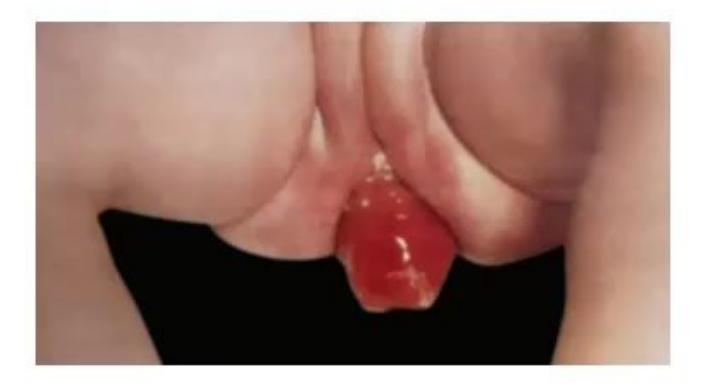
- Whats the possible diagnosis?
- What is possible pathogenesis?
- What 1s pathophysiology?
- How can we screen this disease m neonatal period?
- Indication
- Sphincter of Odii dysfunction
- Indication
- Excessive drooling, chocking
- To rule out associated congenital heart diseases right-sided aorta
- Gap beetween ends is >3 cm, weight <1500 g
- Appendicolith (stone in appendix)
- Tenderness at RLQ
- USG, CT scan is gold standard
- Down syndrome
- Annular pancreas
- Hirschsprung's disease
- Rectal biopsy-but that should be taken 2 cm above the dentate line
- Pull through procedure
- 2nd part of duodenum dilated and there was passage of very little barium across stricture, giving the classic "cork-screw" appearance 3rd and 4th part of duodenum and proximal jejunal loops were on right side of spine
- Malrotation with volvulus
- In 80% in first 2 months
b. T99 pertechnate scan - a. Bılıary atresia
b. Meckel diverticulum
c. GERD - Pain, palpable sausage shape mass, currant jelly stool
- Filling defect or cupping
- Ulcerative colitis
- Complications
a. Cornflakes: Yes
b. Maggi noodles: No
d. Oats cereal No
e. Bajara roti: Yes - Oral or IV atropine sulphate (Nelson).
- Gastric volvulus presents as a triad of a sudden onset of severe epigastric pain, intractable retching with emesis, and inability to pass a tube into the stomach
- IgA deficiency, cystic fibrosis
- Antibiotic induced diarrhea, viral diseas
- Shigella, viral infection
- Lactose intolerance
- Ans. 20.1. Caroli's syndrome
- . Cholangitis
- . Intra-hepatic ductal ectasia AR polycysthe kidney disease
- PKHD, gene
- Climcal staging of Reye syndrome
- Pneumoperitoneum
- Any two of the following Hirschsprung's disease, pseudomembranous enterocolitis, neonatal ulcerative colits, ischemic bowel disease
- Replace 5,000-8,000 U/d of D2, or 3-5 mg/kg/d of 25-hydroxycholecaleiferol
- Urosodeoxycholic acid 15-20 mg/kg/day
- Alagille syndrome (arteriohepatic dysplasia)
- The posterolateral portion of the diaphragm has remained open between the ninth and tenth weeks of gestation as a result the viscera will pass into the chest, and a CDH will result.
- a. Mechanical compression of the lungs from the hermated viscera
b. Pulmonary hypoplasia from compression of the developing lungs m ufero - Omphalocele
- Beckwith-Wiedeman
- Wilson disease
- Diagnostic tests
a. Serum ceruloplasmin <200 mg/L
b. Urinary copper >100 pg/day - Management
a. Restrict copper intake
b. Chelation with penicillamine
d. Liver transplant - Secretory diarrhea—cholera
- Osmotic diarrhea—lactate deficiency
- Increase mobility—Thyrotoxicosis
- Decrease mobility—blind loop celiac disease
- Decrease surface area—celiac disease
- Mallory-Weiss tear, esophagits, shock, dyselectrolytemia
- Stool anion gap = stool osmolality—2 (stool Na* stool K) 290 — 2 (40 + 50) = 110
- If stool anion gap 1s <100 = secretory diarrhea >100 = osmotic diarrhea
- F(DOQS8)
- F. Anemia is most common extraintestinal manifestation
- T
- F (also present in many diseases)
- T (see Nelson)
- Cerebellum, basal ganglia, posterior column
- Salmonella
- Pancreatic insufficiency
- Fibrosis of aponeurosis due to free radical injury
- Mutation in CFTR (cystic fibrosis transmembrane conductance regulator) gene at chromosome 7
Answer
No model answer in source material.