MNJ21-001
A 12-day-old neonate baby of Sweta, who was on formula feeding since the last six days due to sudden admission of mother in medical ICU, presented with lethargy, feed refusal, abdominal distension, and metabolic acidosis on ABG. A diagnosis of necrotizing enterocolitis (NEC) was made:
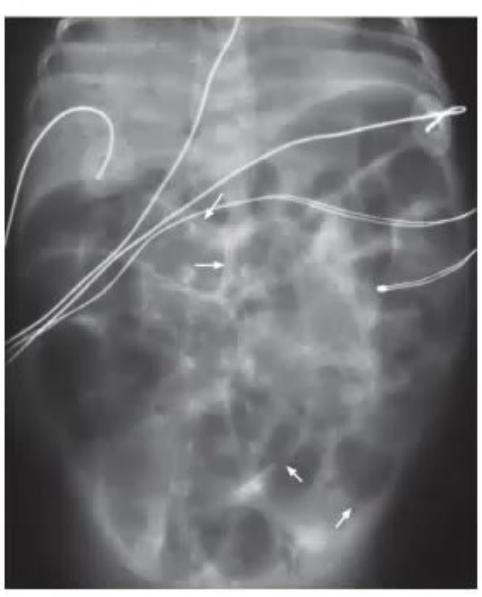
- What stage of NEC is depicted in the X-ray?
- What is the radiological feature of Bell Stage IIIB NEC?
- Name two more conditions associated with pneumatosis intestinalis in neonates/children.
Answer
- Stage of NEC: Bell Stage II (Proven NEC) showing Pneumatosis intestinalis (linear/cystic submucosal or subserosal gas within the bowel wall) and/or branching portal venous gas.
- Radiological feature of Bell Stage IIIB: Pneumoperitoneum (free intraperitoneal air under diaphragm / football sign / Rigler sign indicating bowel perforation).
- Other conditions with Pneumatosis Intestinalis:
- Hirschsprung disease (Hirschsprung-associated enterocolitis)
- Pseudomembranous enterocolitis / C. difficile colitis
- Neonatal ulcerative/ischemic bowel disease / intestinal volvulus
- Severe carbohydrate malabsorption / milk protein allergy enteropathy.
MNJ21-002
A 2-hour-old newborn is admitted in the NICU with complaints of severe respiratory distress soon after birth. Chest radiograph was performed and is shown below:
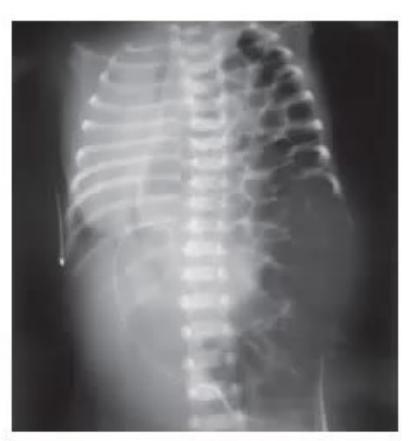
- What is the diagnosis of this condition?
- What are the embryologic events that lead to the development of this condition?
- What are three causes of respiratory distress in a baby born with this condition?
Answer
- Diagnosis: Congenital Diaphragmatic Hernia (CDH) (left-sided Bochdalek hernia with intrathoracic bowel loops and mediastinal shift to the right).
- Embryologic events: Failure of normal closure of the posterolateral pleuroperitoneal canal/membrane (foramen of Bochdalek) between the 8th and 10th weeks of gestation, allowing abdominal viscera to herniate into the thoracic cavity.
- Causes of respiratory distress:
- Pulmonary hypoplasia (decreased bronchial branching, alveolar surface area, and pulmonary vasculature in utero)
- Mechanical compression of ipsilateral and contralateral lung by herniated abdominal viscera
- Persistent Pulmonary Hypertension of the Newborn (PPHN) with right-to-left shunting.
MNJ21-003
A newborn delivered to a G2P1 mother has complaints of vomiting on feeding and continuous frothing/salivation from mouth. Antenatal USG had revealed polyhydramnios. Plain radiograph with radiopaque catheter is shown:
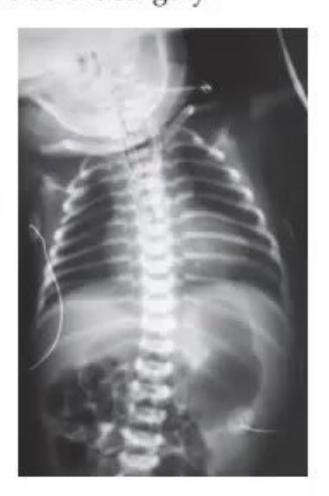
- Diagnose the condition.
- What is a bad prognostic criterion for primary surgical repair?
- What is the requirement for echocardiography before surgery?
Answer
- Diagnosis: Esophageal Atresia with Tracheoesophageal Fistula (EA with TEF) (Type C / Gross Type III: proximal atresia with distal TEF; coiled red rubber catheter in the upper blind esophageal pouch with air in the GI tract).
- Bad prognostic criteria (Waterston / Spitz criteria):
- Long-gap esophageal atresia (gap between two esophageal ends
/ vertebral bodies) - Birth weight
- Major associated congenital cardiac anomalies.
- Long-gap esophageal atresia (gap between two esophageal ends
- Requirement for preoperative 2D Echo:
- Rule out associated congenital heart defects (part of VACTERL association)
- Determine the sidedness of the aortic arch (right-sided aortic arch necessitates thoracotomy from the left side instead of standard right thoracotomy).
MNJ21-004
Observe the clinical image of the newborn:
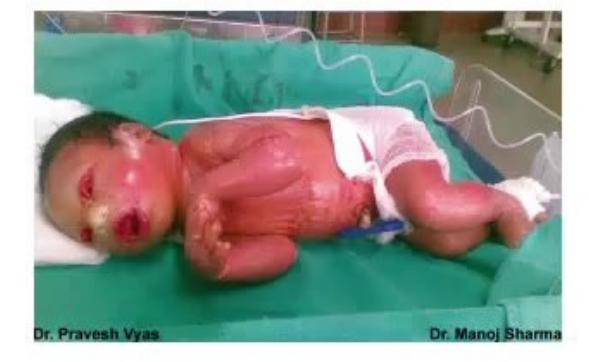
- What is this condition?
- Name a metabolic/fluid complication associated with this condition.
Answer
- Condition: Collodion Baby (congenital ichthyosis encased in a taut, shiny, parchment-like collodion membrane with ectropion and eclabium).
- Metabolic/Systemic complications:
- Hypernatremic dehydration and massive transepidermal water loss
- Hypothermia / impaired thermoregulation
- Secondary skin sepsis / cutaneous infections
- Constriction bands of digits.
MNJ21-005
Observe the facial appearance of the infant while crying:
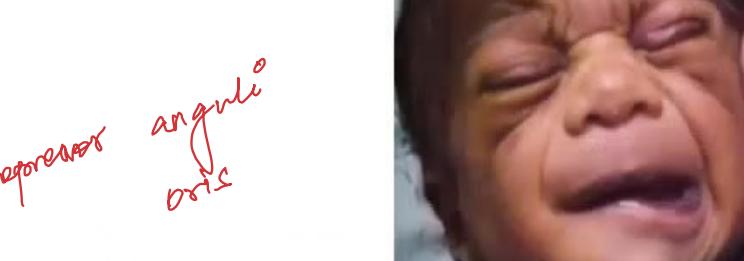
- What is the abnormality seen in this picture?
- What is the diagnosis of this condition?
- What other investigation would you advise in this case?
Answer
- Abnormality: Asymmetric crying facies with failure/absence of depression of the right lower lip and right angle of the mouth during crying (with normal forehead wrinkling and eye closure).
- Diagnosis: Congenital Hypoplasia/Agenesis of Depressor Anguli Oris Muscle (DAOM) (Cayler Cardiofacial Syndrome).
- Advised investigation: 2D Echocardiography (to screen for associated congenital heart defects such as VSD, ASD, tetralogy of Fallot, or 22q11 deletion syndrome).
MNJ21-006
A 14-day-old home-delivered neonate is admitted with persistent jaundice and desquamating skin lesions of hands and feet with a maculopapular/bullous rash. On examination, baby has hepatosplenomegaly and generalized lymphadenopathy. CBC shows thrombocytopenia (78,000/
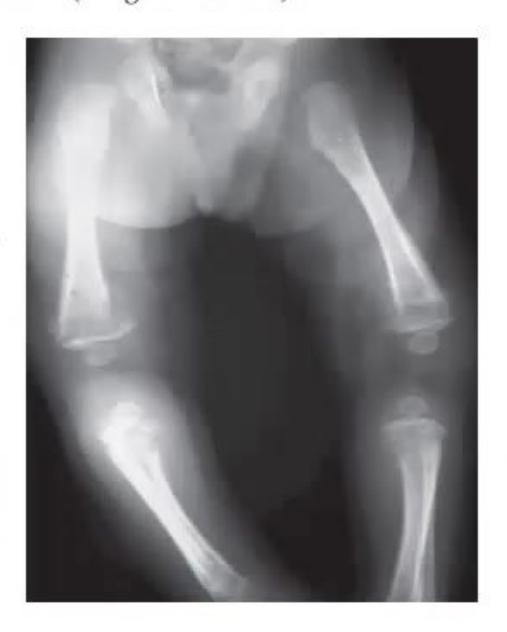
- What is the diagnosis?
- What are the late manifestations of this disease (name at least 5)?
- What is the treatment for this condition (drugs and doses)?
Answer
- Diagnosis: Congenital Syphilis (radiograph demonstrates osteochondritis, periostitis, and Wimberger sign / metaphyseal lucency of upper medial tibia).
- Late manifestations of Congenital Syphilis:
- Hutchinson teeth (notched, peg-shaped upper central incisors)
- Mulberry molars (first lower molars with multiple poorly developed cusps)
- Interstitial keratitis
- Eighth nerve deafness (sensorineural hearing loss; completing Hutchinson's Triad)
- Saber shins (anterior bowing of tibia)
- Saddle nose deformity
- Higouménakis sign (unilateral/bilateral enlargement of the sternal end of the clavicle)
- Rhagades (linear perioral/perianal scars)
- Clutton joints (painless symmetrical hydrarthrosis of knees)
- Olympian brow (frontal bossing).
- Treatment:
- Aqueous crystalline penicillin G:
IV (administered as IV every 12 hours for first 7 days, then every 8 hours for a total of 10–14 days) - OR Procaine penicillin G:
IM once daily for 10–14 days.
- Aqueous crystalline penicillin G:
MNJ21-007
Observe the neonatal chest radiograph below:
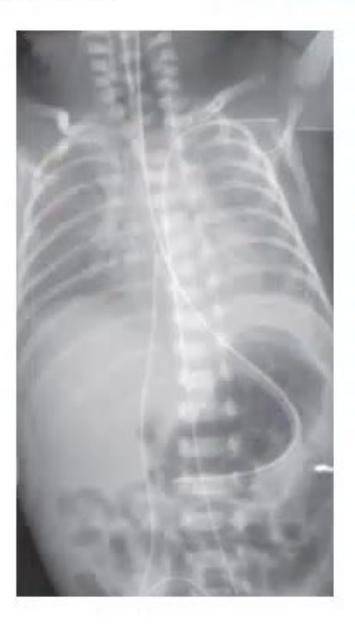
- What is abnormal in this X-ray?
- What is the ideal anatomical placement position for an Umbilical Arterial Catheter (UAC) and Umbilical Venous Catheter (UVC)?
- After placing a UAC line, the right lower limb appears pale and cold. What immediate steps should you take?
- At what vertebral level do the renal arteries originate?
- How do you maintain the patency of a UAC line?
Answer
- Abnormality: Malpositioned umbilical arterial catheter with tip ascending abnormally into the right subclavian/brachiocephalic artery.
- Ideal catheter positions:
- Umbilical Arterial Catheter (UAC):
- High line: T6 to T9 / T10 (thoracic aorta above diaphragm, below ductus arteriosus and above celiac axis)
- Low line: L3 to L4 / L5 (lumbar aorta below inferior mesenteric artery and above aortic bifurcation).
- Umbilical Venous Catheter (UVC): Inferior Vena Cava at the junction with the Right Atrium (level of diaphragm, T8–T9).
- Umbilical Arterial Catheter (UAC):
- Management of pale/vasospastic lower limb:
- Reflex vasodilation: Apply warm compresses to the contralateral limb (reflex heating)
- If blanching/pallor persists
, immediately withdraw and remove the arterial catheter.
- Vertebral level of renal arteries: L1 to L2 vertebral body.
- Maintenance of UAC: Continuous flush with heparinized saline infusion at
(or ) at a rate of .
MNJ21-008
A term baby presents with abdominal distension and failure to pass meconium on day 2 of life. Abdominal radiograph is shown:
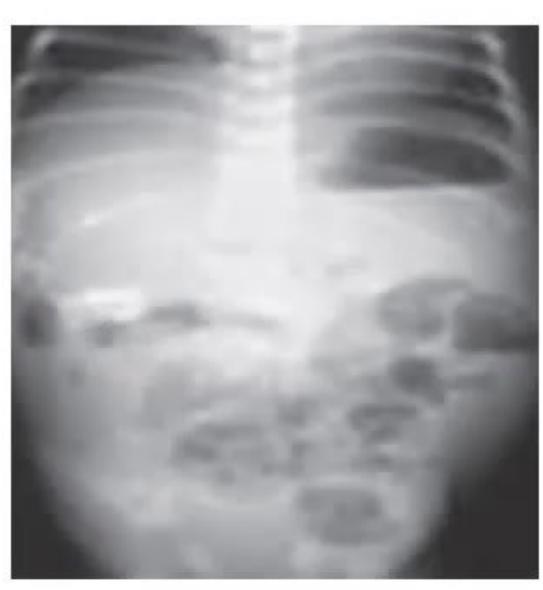
- What is the diagnosis?
- What genetic mutation is commonly associated with this underlying syndrome?
Answer
- Diagnosis: Meconium Peritonitis / Meconium Ileus (abdominal radiograph shows diffuse scattered intra-abdominal/peritoneal calcifications and dilated bowel loops).
- Genetic mutation:
mutation in the CFTR gene on chromosome 7q31.2 (causing Cystic Fibrosis).
MNJ21-009
Answer the following rapid neonatal questions:
- What is the caloric value of
of Medium Chain Triglyceride (MCT) oil? - Positive pressure ventilation (PPV) in neonatal resuscitation should be initiated at what heart rate?
- What is the most common congenital heart disease in Down syndrome?
- Which macrolide antibiotic is used in low doses as a prokinetic agent in neonatal gastroesophageal reflux/feeding intolerance?
- What are Janiceps twins?
- What is the dose of hydrocortisone for neonatal refractory hypotension?
Answer
- Caloric value of MCT oil:
( ). - PPV initiation threshold: Heart rate
(or if apneic/gasping). - Heart disease in Down syndrome: Atrioventricular Septal Defect (AVSD / Endocardial Cushion Defect) (
), followed by VSD. - Prokinetic macrolide: Erythromycin (low dose
Q6H). - Janiceps twins: Cephalothoracopagus conjoined twins joined from head to lower chest with two faces on opposite sides of a single head.
- Hydrocortisone dose:
IV every 8–12 hours (or ).
MNJ21-010
- What is the caloric value of one sachet (
) of Human Milk Fortifier (HMF)? - What should be the depth of chest compressions during neonatal resuscitation?
- What is the most common structural/functional cardiac defect in Infants of Diabetic Mothers (IDM)?
- At how many weeks of gestation does the pupillary light reflex appear?
- In PPHN with similar pre-ductal and post-ductal
, at what level is the right-to-left shunting occurring? - What is the recommended dose of Naloxone in neonatal resuscitation (if used)?
Answer
- Caloric value of 1 sachet of HMF:
per sachet (adds ). - Depth of chest compressions: One-third (
) of the anteroposterior (AP) diameter of the chest ( ). - Cardiac defect in IDM: Asymmetric Septal Hypertrophy / Hypertrophic Cardiomyopathy (functional) and VSD / TGA (structural).
- Pupillary light reflex: Appears between
of gestation (consistently present by 32 weeks). - Shunting level with equal pre- and post-ductal
: Atrial level (Patent Foramen Ovale [PFO] / ASD). - Naloxone dose:
IV/IM (Note: Routine naloxone is no longer recommended in initial NRP algorithms).
MNJ21-011
Answer the following rapid numerical and physiological questions:
- What is the protein content in
of mature human breast milk? - At what pressure does the pop-off / pressure-limiting valve release in a neonatal AMBU bag?
- What percentage of normal pregnancies are complicated by feto-maternal hemorrhage?
- What is the most commonly prescribed/used drug in the NICU?
- Fetal production of endogenous IgM starts at how many weeks of gestation?
- What is the initial starting dose of Prostaglandin
( / Alprostadil) to maintain ductal patency in duct-dependent cardiac lesions?
Answer
- Protein in human milk:
(and ). - AMBU pop-off valve pressure:
. - Feto-maternal hemorrhage incidence:
in uncomplicated pregnancies (up to at delivery). - Most common drug in NICU: Oxygen / Ampicillin / Gentamicin.
- Fetal IgM synthesis: Begins at
of gestation ( ). dose: IV infusion (can be titrated up to , then tapered to ).
MNJ21-012
What specific effect or complication would you anticipate in the fetus or neonate when the antenatal mother has the following conditions?
- Endemic Iodine Deficiency Goiter
- Graves' Disease
- Maternal Hyperparathyroidism
- Chronic Hypertension / Pre-eclampsia
- Myasthenia Gravis
- Systemic Lupus Erythematosus (Anti-Ro/SSA positive)
- Maternal Poliomyelitis
- Coxsackie B Infection
- Sickle Cell Anemia
- Maternal Tuberculosis
Answer
- Endemic Goiter: Congenital hypothyroidism / Endemic Cretinism (neurological and myxedematous).
- Graves' Disease: Transient neonatal thyrotoxicosis (due to transplacental transfer of TSH-receptor stimulating antibodies [TRAb/TSI]).
- Hyperparathyroidism: Neonatal hypocalcemia and tetany (maternal hypercalcemia suppresses fetal parathyroid gland development).
- Hypertension: Fetal growth restriction (IUGR), placental insufficiency, prematurity, oligohydramnios.
- Myasthenia Gravis: Transient neonatal myasthenia gravis (due to transplacental anti-AChR antibodies).
- Maternal SLE: Congenital Heart Block (complete AV block), neonatal lupus erythematosus (annular cutaneous rash, thrombocytopenia, neutropenia, hepatitis).
- Poliomyelitis: Congenital poliomyelitis / neonatal paralysis, abortion/prematurity.
- Coxsackie B: Fulminant neonatal myocarditis, meningoencephalitis, hepatitis.
- Sickle Cell Anemia: Prematurity, low birth weight, IUGR, increased perinatal mortality.
- Tuberculosis: Congenital tuberculosis (primary hepatic complex / caseating granulomas), prematurity, low birth weight.
MNJ21-013
Regarding genetic amniocentesis during pregnancy:
- What is the ideal gestational age for performing amniocentesis?
- What is the most common clinical indication?
- Name four other indications for prenatal genetic amniocentesis.
Answer
- Ideal timing:
of gestation (second trimester). - Most common indication: Advanced maternal age (
) at delivery (risk of fetal aneuploidy/Down syndrome). - Four other indications:
- Positive maternal serum screening (triple/quadruple screen) or abnormal NIPT
- Fetal structural anomalies detected on prenatal ultrasound
- Previous child with chromosomal anomaly or neural tube defect
- Either parent is a known balanced translocation or chromosomal inversion carrier
- Known family history / carrier status for single-gene inborn errors of metabolism or monogenic disorders amenable to DNA/biochemical analysis.
MNJ21-014
A 36-week neonate presents to the NICU on day 2 of life with failure to pass meconium, progressive abdominal distension, and bilious gastric aspirates. A contrast barium enema is shown:
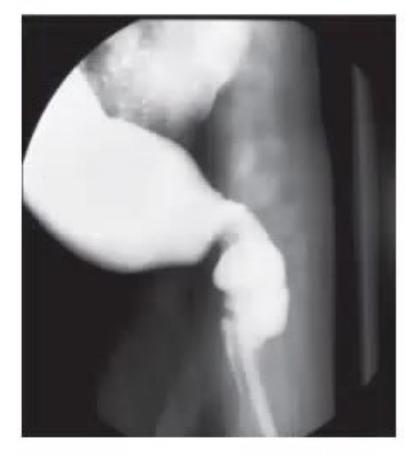
- What is the diagnosis?
- What is the characteristic diagnostic histochemical finding on rectal suction biopsy?
Answer
- Diagnosis: Hirschsprung Disease (Congenital Aganglionic Megacolon) (contrast enema demonstrates narrow aganglionic rectosigmoid transition zone with cone-shaped dilatation of proximal normal colon).
- Rectal biopsy findings:
- Complete absence of ganglion cells in the submucosal (Meissner) and myenteric (Auerbach) plexuses
- Hypertrophied, coarse nerve bundles with markedly increased Acetylcholinesterase (AChE) activity on histochemical staining (or loss of Calretinin immunostaining).
MNJ21-015
A 12-day-old preterm baby in the NICU on enteral feeds develops sudden abdominal distension, greenish bilious aspirates, and becomes cold, dusky, and poorly perfused. Abdominal radiograph is shown:
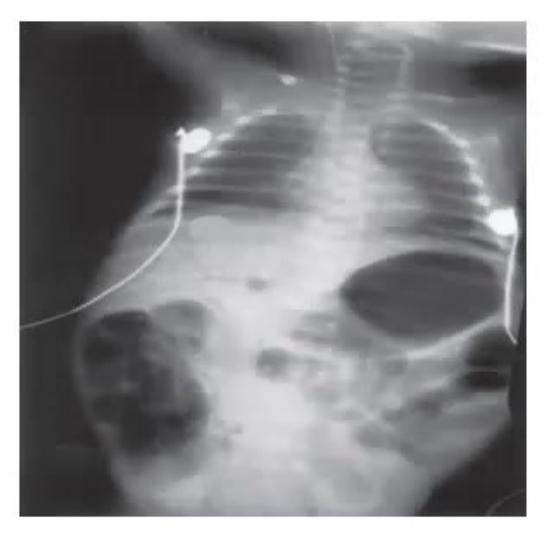
- What is the X-ray finding and the diagnosis?
- Which gas produced by intestinal bacteria causes this finding?
Answer
- X-ray finding & Diagnosis: Branching Portal Venous Gas extending to the periphery of the liver in Severe Necrotizing Enterocolitis (Bell Stage IIB/III).
- Gas composition: Hydrogen gas (
) produced by bacterial fermentation of unabsorbed luminal carbohydrates by enteric pathogens (Klebsiella, E. coli, Clostridium spp.).
MNJ21-016
A 30-week preterm baby with Respiratory Distress Syndrome on mechanical ventilatory support develops increasing ventilator requirements and severe desaturations. Chest radiograph is obtained:
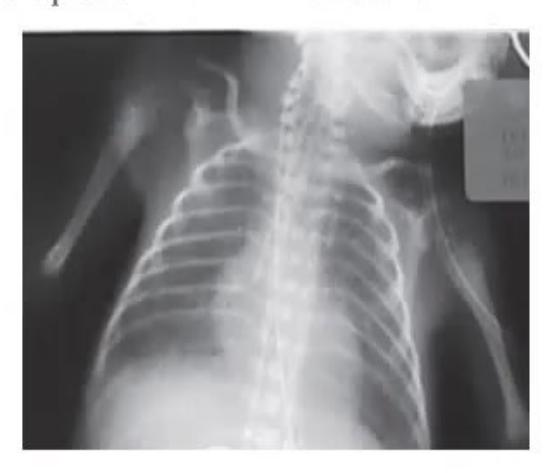
- What is the cause of this desaturation according to the X-ray?
- What immediate action should be taken?
Answer
- Cause: Endobronchial intubation (Right main bronchus intubation) with resultant left lung atelectasis/complete collapse and right lung hyperinflation.
- Action: Immediately withdraw/pull back the endotracheal tube (ETT) by
until the tip is positioned in the mid-trachea ( above the carina, at the T2–T3 vertebral level), and re-auscultate for bilateral equal air entry.
MNJ21-017
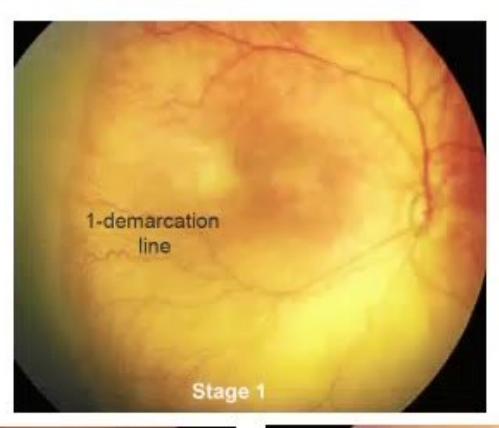
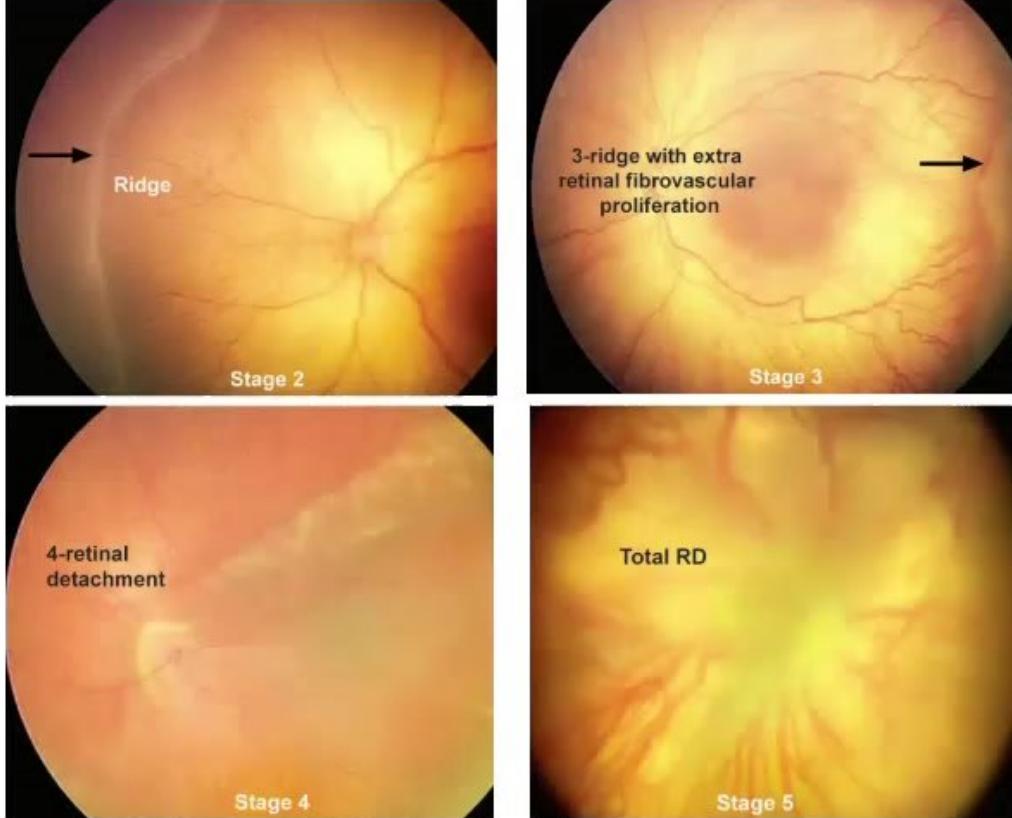
Observe the fundus photographs of the preterm infant below:
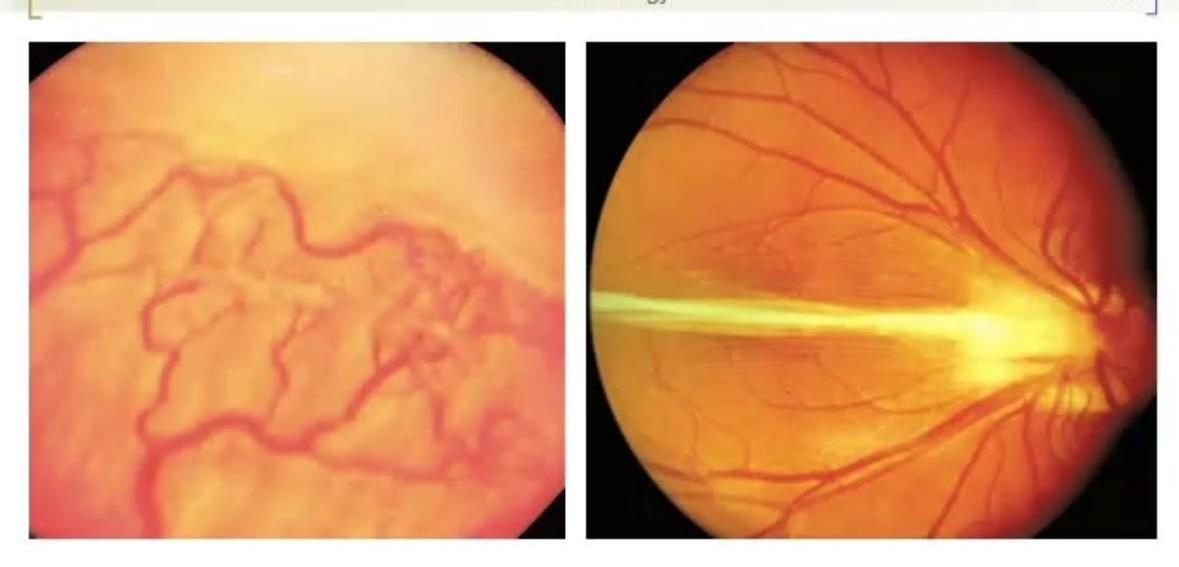
- Describe the stages of Retinopathy of Prematurity (ROP) according to the International Classification of ROP (ICROP).
- What is Aggressive Posterior ROP (AP-ROP / Rush disease)?
- What are the key risk factors for ROP (name at least 4)?
- What modern pharmacological anti-VEGF agent is used in treatment?
Answer
- ICROP Staging of ROP:
- Stage 1: Demarcation line separating vascularized from avascular retina
- Stage 2: Ridge (demarcation line has height and width)
- Stage 3: Extraretinal fibrovascular proliferation extending from the ridge
- Stage 4: Subtotal retinal detachment (4A: extrafoveal; 4B: including fovea)
- Stage 5: Total retinal detachment (funnel-shaped).
- Aggressive Posterior ROP (AP-ROP / Rush Disease): Rapidly progressing, severe form of ROP characterized by posterior location (Zone I or posterior Zone II), prominent plus disease in all four quadrants, and flat neovascularization without progressing through typical stages 1 to 3.
- Risk factors: Gestational age
, birth weight , unmonitored/fluctuating oxygen therapy, sepsis, mechanical ventilation, multiple blood transfusions, poor postnatal weight gain. - Anti-VEGF therapy: Intravitreal injection of Bevacizumab (Avastin) or Ranibizumab.
MNJ21-018
A 32-week preterm neonate on minimal ventilator settings has sudden deterioration with rising ventilator requirements, tachycardia, and acute desaturation. The doctor performs the bedside clinical test shown below:
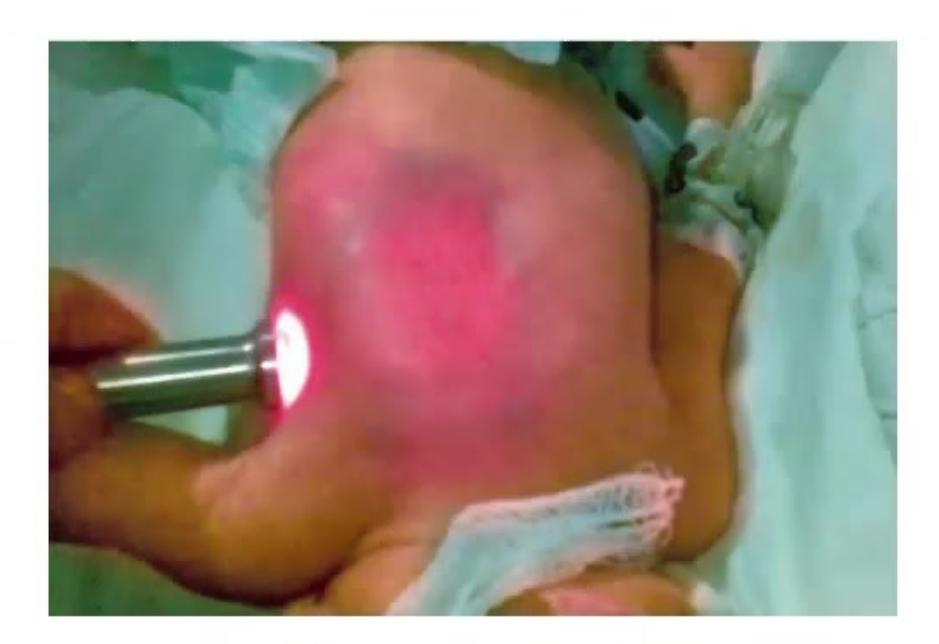
- What is this bedside test?
- What condition can be diagnosed immediately using this test before obtaining a chest radiograph?
Answer
- Bedside test: Cold-light Chest Transillumination Test (using a fiberoptic transilluminator/Fibre-optic light probe).
- Diagnosis: Tension Pneumothorax (or pneumomediastinum). The affected hemithorax lights up brilliantly with a wide, glowing halo of light transmission across the chest wall compared to the unaffected side.
MNJ21-019
Diagnose the clinical conditions shown in images A, B, C, and D:
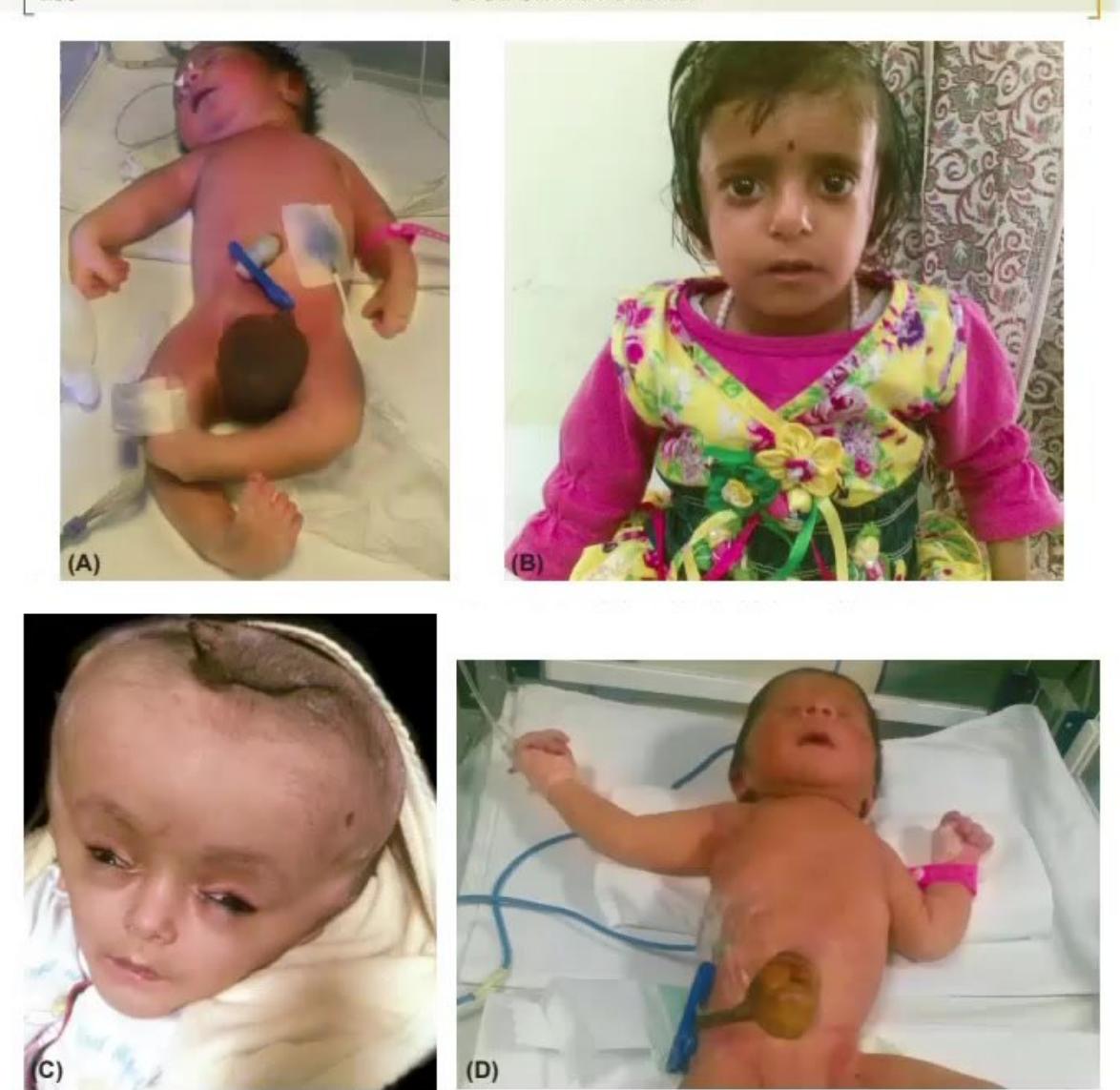
Courtesy: Dr Pravesh Vyas (Sundar Lal Jain Hospital)
For Image D:
- What precautions should be taken in the immediate care and transport of this baby?
- Name one congenital syndrome strongly associated with condition D.
Answer
- Image A: Arthrogryposis Multiplex Congenita (multiple congenital joint contractures).
- Image B: Setting-sun eye sign (downward deviation of eyes in congenital hydrocephalus / increased ICP).
- Image C: Russell-Silver Syndrome (triangular facies, prominent forehead, downturned mouth, asymmetry).
- Image D: Omphalocele (Exomphalos) (midline abdominal wall defect covered by peritoneal-amniotic sac with umbilical cord inserting at apex).
For Image D (Omphalocele):
- Precaution & Transport:
- Cover defect with sterile, warm, saline-soaked gauze and place in a sterile plastic bowel bag / plastic wrap to prevent heat loss, drying, and infection.
- Decompress stomach with an open-to-air orogastric tube.
- Maintain NPO, start IV fluids and broad-spectrum antibiotics.
- Nurse in supine position (avoid prone or lateral compression of sac).
- Associated Syndrome: Beckwith-Wiedemann Syndrome (macroglossia, gigantism, hypoglycemia, omphalocele) or Trisomy 13/18.
MNJ21-020
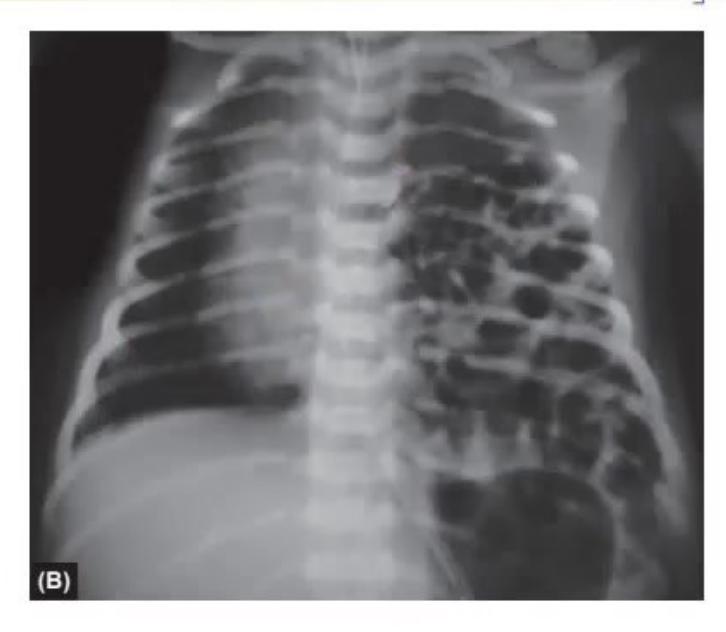
Observe the radiographs below:
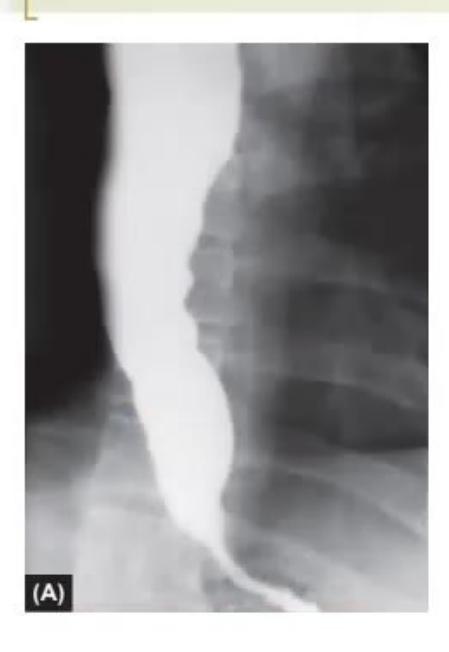
Part 1 (First Radiograph):
- What is the finding on the barium swallow study?
- What is the diagnosis?
- What is the underlying pathophysiological defect?
- What is the most sensitive diagnostic test?
- Write 2 medical/pharmacological agents used.
- Write 2 definitive interventional/surgical options.
Part 2 (Second Radiograph):
- Describe the finding in this chest radiograph.
- Mention 4 clinical presentations of this condition.
Answer
Part 1 (Barium Study):
- Finding: Smooth, tapered "bird's beak" or "pencil-tip" narrowing of the gastroesophageal junction with marked proximal esophageal dilatation.
- Diagnosis: Achalasia Cardia.
- Pathophysiology: Loss/degeneration of inhibitory nitric oxide/VIP-producing ganglion cells in the myenteric (Auerbach) plexus
failure of lower esophageal sphincter (LES) relaxation and aperistalsis of esophageal body. - Most sensitive diagnostic test: High-Resolution Esophageal Manometry.
- Medical agents: Calcium channel blockers (Nifedipine), Botulinum toxin injection into LES, PDE-5 inhibitors.
- Interventions: Laparoscopic Heller's cardiomyotomy (with fundoplication), Per-Oral Endoscopic Myotomy (POEM), Pneumatic balloon dilatation.
Part 2 (Chest Radiograph):
- Finding: Retrosternal/anterior paracardiac mass or bowel gas loops in anterior thorax suggestive of Morgagni Diaphragmatic Hernia (anterior retrosternal diaphragmatic hernia).
- Clinical presentations:
- Asymptomatic (incidental radiological finding)
- Recurrent chest infections / wheezing / pneumonia
- Vomiting, postprandial discomfort, and GERD symptoms
- Acute intestinal obstruction or strangulation.
MNJ21-021
A 6-day-old 29-week preterm infant is admitted in the NICU. Baby was stable for 3 days on trophic feeds. Sepsis screen is negative. Over the last 6 hours, baby developed tachycardia, bounding dorsal pedis pulses, systolic murmur, and feed intolerance:
- What is the next gold standard investigation and what is the diagnosis?
- What are the echocardiographic diagnostic criteria for a Hemodynamically Significant Patent Ductus Arteriosus (hsPDA)?
- What are the clinical/echocardiographic indications for treatment?
- What are 2 standard medical drugs used for closure?
- What newer drug is currently used as an alternative with fewer adverse effects?
Answer
- Investigation & Diagnosis: 2D Echocardiography with Color Doppler; Diagnosis is Hemodynamically Significant Patent Ductus Arteriosus (hsPDA).
- Echocardiographic criteria for hsPDA:
- Internal ductal diameter
(or ) - Left Atrium to Aortic Root ratio (
) - Retrograde diastolic flow / absent diastolic flow in descending aorta
- High Left Ventricular Output (
).
- Internal ductal diameter
- Indications for treatment: Signs of congestive heart failure, ventilator dependency / inability to wean respiratory support, recurrent pulmonary hemorrhage or apnea, hsPDA on echo.
- Standard medical drugs: Indomethacin IV and Ibuprofen (oral or IV).
- Newer alternative drug: Intravenous Paracetamol (Acetaminophen) (
Q6H for 3–7 days).
MNJ21-022
Observe the anatomical schematic of the retina for ROP screening:
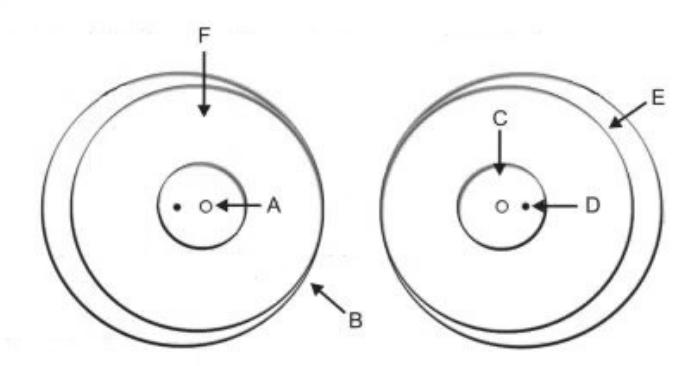
- Name the labeled structures: a, b, c, d, e, f.
- Which zone is most critical/sensitive for vision and why?
- Write down the criteria for Early Treatment for ROP (ETROP / Type 1 ROP).
- What telemedicine/digital imaging modality is used for screening in remote areas?
Answer
- Labeled structures:
- a: Optic Nerve / Disc
- b: Ora Serrata
- c: Zone 1 (circle with radius twice the distance from optic disc to macula)
- d: Macula / Fovea
- e: Zone 3 (outer crescent of retina anterior to Zone 2)
- f: Zone 2 (extends from Zone 1 to nasal ora serrata).
- Most sensitive zone: Zone 1, because it contains the macula and optic nerve head; immature vascularization here represents the highest risk of blinding retinal detachment.
- Indications for treatment (Type 1 ROP / ETROP criteria):
- Zone 1: Any stage ROP with Plus disease
- Zone 1: Stage 3 ROP without Plus disease
- Zone 2: Stage 2 or 3 ROP with Plus disease.
- Remote screening modality: Wide-field Digital Retinal Photography (RetCam) via Tele-ROP screening networks (e.g., KIDROP).
MNJ21-023
A 26-week preterm baby delivered by LSCS with a birth weight of 668 g is admitted. After initial stabilization, you decide to initiate Total Parenteral Nutrition (TPN):
- What are the indications for TPN in neonates with birth weight
? - What is the adequate balance between protein and non-protein energy in neonatal TPN?
- What is the ideal caloric distribution from carbohydrates, proteins, and lipids in TPN?
- What are the daily requirements of Calcium, Magnesium, and Phosphorus in neonatal TPN?
Answer
- Indications for TPN in VLBW/ELBW:
- Birth weight
(ELBW) or (VLBW) anticipated to not reach significant enteral feeds by day 3–5 - Severe gastrointestinal anomalies (gastroschisis, omphalocele, intestinal atresia)
- Severe necrotizing enterocolitis (NEC) / short bowel syndrome.
- Birth weight
- Protein-to-Energy ratio:
( ). - Caloric distribution:
- Carbohydrates (Dextrose):
of total calories - Lipids:
of total calories - Proteins (Amino acids):
of total calories.
- Carbohydrates (Dextrose):
- Mineral requirements in TPN:
- Calcium:
(up to for osteopenia prophylaxis) - Phosphorus:
(Ca:P molar ratio ) - Magnesium:
( ).
- Calcium:
MNJ21-024
A 2-month-old infant is brought with complaints of persistent constipation, lethargy, poor feeding, and hoarse cry. On examination, the baby has an umbilical hernia, open posterior fontanelle, and coarse facial features:
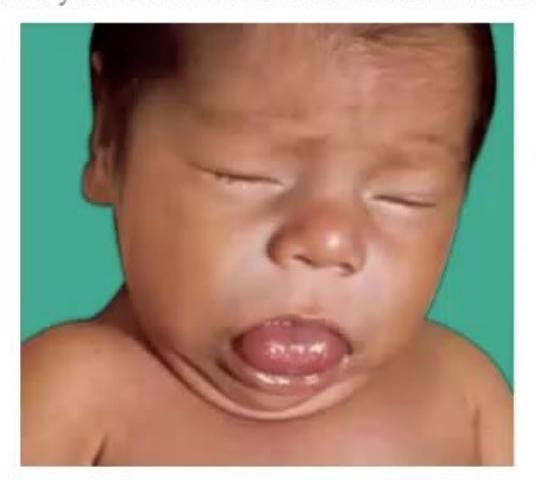
- What is the diagnosis?
- What is the most common cause?
- What is the best strategy for newborn screening of this condition?
- For optimal neurodevelopmental outcome, when should treatment be started and what is the dose?
Answer
- Diagnosis: Congenital Hypothyroidism (Cretinism).
- Most common cause: Thyroid Dysgenesis (
, including thyroid ectopia, hypoplasia, or athyreosis). - Newborn screening: Dried heel-prick blood spot on Guthrie filter paper collected at
of life for TSH estimation (and/or total/free ). - Treatment timing & dose:
- Must be initiated within the first 2 weeks of life (
) to ensure normal IQ and prevent irreversible mental retardation. - Levothyroxine (
): orally as a single daily dose crushed in breast milk.
- Must be initiated within the first 2 weeks of life (
MNJ21-025
A 29-week preterm infant managed in the NICU on TPN via a peripherally inserted central catheter (PICC) line situated in the right atrium suddenly collapses at day 17 of life with shock, profound bradycardia, and severe metabolic acidosis. Radiographs are shown:
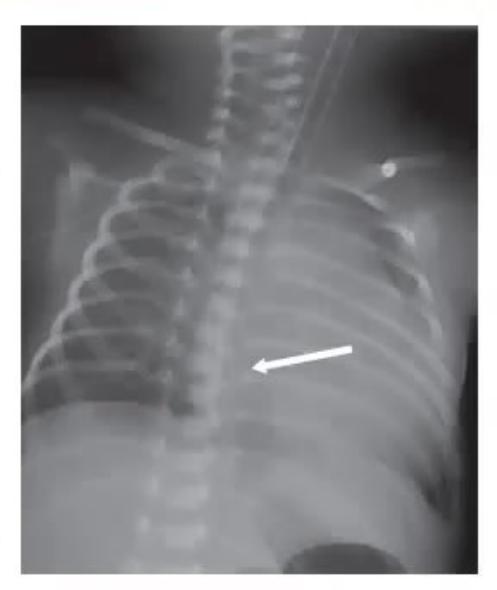
- What is the most likely diagnosis?
- What are the key differential diagnoses for sudden neonatal cardiovascular collapse?
- What is the pathophysiological cause of this catastrophe in this infant?
- What are the emergency management steps?
Answer
- Diagnosis: Cardiac Tamponade / Pericardial Effusion secondary to PICC line perforation/extravasation.
- Differential diagnoses for acute neonatal collapse:
- Tension pneumothorax
- Septic shock / overwhelming neonatal sepsis
- Duct-dependent congenital heart disease (closure of ductus)
- Inborn Errors of Metabolism (IEM) / acute metabolic decompensation
- Severe intraventricular hemorrhage (IVH Grade IV).
- Cause: Erosion / transmural perforation of the right atrial or superior vena cava wall by the tip of the centrally placed PICC line with extravasation of hypertonic TPN fluid into the pericardial sac.
- Emergency management:
- Immediate subxiphoid emergency pericardiocentesis / pericardial tap to aspirate fluid and relieve hemodynamic compromise
- Immediately stop TPN infusion and withdraw/remove the central catheter
- Confirm needle/catheter position by bedside echocardiography / contrast fluoroscopy
- Resuscitate with IV volume expanders and inotropes as needed.