VVK08-001
A 4-year-old female presents with ulcers on her tongue and oral mucosa. The patient refuses to eat due to pain in her mouth. Her temperature is 102°F. A rash is noted on hands, feet and buttocks.
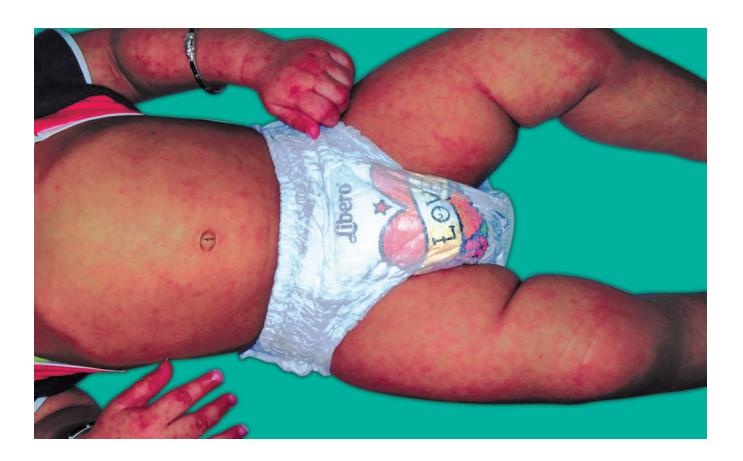
a. What is the diagnosis?
b. What is the causative organism?
c. How is it transmitted?
d. What is the treatment?
Answer
- a. Hand, Foot, and Mouth Disease (HFMD).
- b. Enteroviruses (Picornaviridae family), most commonly Coxsackievirus A16 and Enterovirus A71 (EV-71); also Coxsackievirus A6.
- c. Direct contact with infectious secretions:
- Droplets / respiratory secretions (coughing, sneezing)
- Direct contact with blister vesicle fluid
- Fecal-oral route (contact with feces)
- Fomites / contaminated surfaces
- d. Supportive and symptomatic care: Adequate oral fluid intake/hydration, antipyretics/analgesics (paracetamol, ibuprofen), and topical oral anesthetic/barrier gels for mouth pain.
VVK08-002
An infant girl is born 4 weeks prematurely and manifests jaundice, an intractable desquamating maculopapular rash, persistent rhinitis ("snuffles"), pneumonia, anemia, generalized lymphadenopathy, and periostitis/bony abnormalities on radiograph.
a. What is the most likely diagnosis?
b. What historical feature is the most important when questioning the mother regarding the history of the pregnancy?
c. What findings would most likely be present on ophthalmic examination of this newborn child?
d. What is the famous triad and its association in older children?
Answer
- a. Early Congenital Syphilis (Treponema pallidum infection).
- b. Maternal sexual history, history of genital ulcers/sores, and history of antenatal syphilis serology (VDRL / RPR) screening and maternal penicillin treatment during pregnancy.
- c. "Salt and pepper" chorioretinitis / segmental retinal pigmentary changes; uveitis, glaucoma.
- d. Hutchinson's Triad (manifestation of Late Congenital Syphilis):
-
- Interstitial keratitis
-
- Hutchinson's teeth (peg-shaped, notched incisors) / Mulberry molars
-
- Eighth nerve (sensorineural) deafness
-
VVK08-003
Match the congenital infection with its classic distinguishing feature:
| Congenital Infection | Feature |
|---|---|
| a. Neonatal herpes simplex virus (HSV) | 1. Sensorineural hearing loss (periventricular calcifications) |
| b. Congenital cytomegalovirus (CMV) | 2. Cicatricial skin scarring, limb hypoplasia |
| c. Congenital toxoplasmosis | 3. Short stature |
| d. Congenital syphilis | 4. Glaucoma |
| e. Congenital varicella | 5. Hydrocephalus, diffuse intracranial calcifications, chorioretinitis |
| 6. Tram-track gyral calcifications | |
| 7. Saddle nose, rhinitis (snuffles), periostitis | |
| 8. SEM (Skin, Eye, Mouth) vesicular lesions / temporal encephalitis |
Answer
- a. Neonatal herpes (HSV) — 8. Skin, eye, mouth (SEM) lesions / encephalitis
- b. Congenital CMV — 1. Sensorineural deafness / periventricular calcifications
- c. Congenital toxoplasmosis — 5. Hydrocephalus / diffuse intracranial calcifications / chorioretinitis (Classic triad)
- d. Congenital syphilis — 7. Saddle nose / snuffles / periostitis
- e. Congenital varicella — 2. Cicatricial skin scarring and limb hypoplasia
VVK08-004
Pulmonary Koch's:
Write the daily and intermittent antitubercular drug therapy dosages for a 10 kg boy according to pediatric guidelines.
Answer
- Pediatric Antitubercular Drug Dosages (Daily Regimen):
- Isoniazid (H): 10 mg/kg/day (range 7–15 mg/kg; for 10 kg = 100 mg/day; max 300 mg)
- Rifampicin (R): 15 mg/kg/day (range 10–20 mg/kg; for 10 kg = 100–150 mg/day; max 600 mg)
- Pyrazinamide (Z): 30–35 mg/kg/day (for 10 kg = 300–350 mg/day; max 2000 mg)
- Ethambutol (E): 20–25 mg/kg/day (for 10 kg = 200–250 mg/day; max 1500 mg)
- Streptomycin (S): 15 mg/kg/day IM (for 10 kg = 150 mg/day; max 1 g)
- Standard Course:
- Intensive Phase (2 months): 4 drugs (HRZE) daily
months ( ) - Continuation Phase (4 months): 3 drugs (HRE) or 2 drugs (HR) daily
months ( or )
- Intensive Phase (2 months): 4 drugs (HRZE) daily
VVK08-005
Complete the table below for Childhood Tuberculosis Treatment Regimens:
| Category of Treatment | Type of Patients | Intensive Phase | Continuation Phase |
|---|---|---|---|
| New Cases | • New smear-positive PTB • New smear-negative PTB • New extra-pulmonary TB |
A | B |
| Previously Treated Cases | • Relapse, failure to respond, or treatment after default • Re-treatment others |
C | D |
Answer
- A (New cases - Intensive phase):
(2 months of daily/intermittent Isoniazid, Rifampicin, Pyrazinamide, Ethambutol) - B (New cases - Continuation phase):
or (4 months of daily/intermittent Isoniazid, Rifampicin ± Ethambutol) - C (Previously treated - Intensive phase):
(2 months of Streptomycin + HRZE followed by 1 month of HRZE) - D (Previously treated - Continuation phase):
(5 months of daily/intermittent Isoniazid, Rifampicin, Ethambutol)
VVK08-006
RMNCH+A:
a. What is RMNCH+A?
b. When was it launched?
c. Fill in the targets:
- i. Reduction of Infant Mortality Rate (IMR) to _______ per 1,000 live births by 2017.
- ii. Reduction in Maternal Mortality Ratio (MMR) to _______ per 100,000 live births by 2017.
- iii. Reduction in Total Fertility Rate (TFR) to _______ by 2017.
Answer
- a. RMNCH+A: Reproductive, Maternal, Newborn, Child plus Adolescent Health strategy.
- b. Launched in 2013 under the National Health Mission (NHM), Government of India.
- c. Targets:
- i. Reduction of Infant Mortality Rate (IMR) to 25 per 1,000 live births by 2017.
- ii. Reduction in Maternal Mortality Ratio (MMR) to 100 per 100,000 live births by 2017.
- iii. Reduction in Total Fertility Rate (TFR) to 2.1 by 2017.
VVK08-007
A 12-year-old 32 kg child presents with active pulmonary tuberculosis. He previously took treatment for 6 weeks and presents after interruption/default of treatment for 1 year.
a. What category of treatment shall this child fall in?
b. Which patients are candidates for extending the intensive and continuation phases?
c. What are the guidelines for TB preventive therapy (chemoprophylaxis)?
Answer
- a. Previously treated case — Treatment after default (re-treatment category) (requires molecular testing / CBNAAT/GeneXpert to rule out rifampicin resistance / MDR-TB before restarting therapy).
- b. Candidates for extension of treatment:
- Extension of Intensive Phase (by 1 month): Patients showing inadequate or delayed clinical/radiological or smear response at the end of 8 weeks of intensive phase.
- Extension of Continuation Phase (total duration 9–12 months): TB meningitis, Spinal TB / Potts spine, Disseminated / Miliary TB, and Osteoarticular TB.
- c. Guidelines for TB Preventive Therapy (TPT / INH Chemoprophylaxis with Isoniazid 10 mg/kg/day for 6 months):
- All asymptomatic child contacts < 6 years of age of a microbiologically confirmed pulmonary TB case, after ruling out active TB (regardless of BCG/TST status).
- All HIV-infected children with exposure to active TB or who are TST positive (> 5 mm) without active disease.
- TST-positive children initiating long-term immunosuppressive therapy (e.g. systemic steroids for nephrotic syndrome, biologic agents, chemotherapy).
- Infants born to mothers diagnosed with active TB during pregnancy (prophylaxis for 6 months once congenital TB is excluded; BCG can be given at birth or deferred).
VVK08-008
Study the photograph provided:
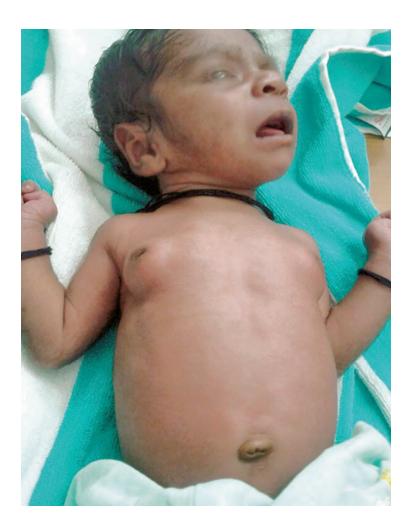
a. What is the diagnosis?
b. What is the most common organism associated with the said abnormality?
c. What is the treatment?
Answer
- a. Mastitis neonatorum / Neonatal breast abscess (physiological neonatal breast enlargement complicated by secondary bacterial infection).
- b. Staphylococcus aureus (including MRSA).
- c.
- Systemic anti-staphylococcal antibiotics (e.g., Cloxacillin, Amoxicillin-Clavulanate, or Vancomycin/Clindamycin if MRSA suspected).
- Warm compresses.
- Needle aspiration or gentle incision and drainage (I&D) if fluctuant abscess forms, taking care to preserve the underlying breast bud to prevent permanent breast tissue damage.
VVK08-009
A 4-year-old child has the intensely pruritic lesions shown below, with worsening nocturnal itching. Lesions were also present in the finger web spaces, groins, male genitalia and between the buttocks.
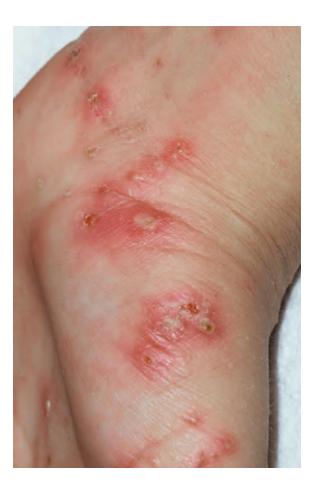
a. What is the likely diagnosis?
b. What is the organism causing above problems?
c. What is the treatment?
Answer
- a. Scabies.
- b. Sarcoptes scabiei var. hominis (itch mite).
- c.
- Topical 5% Permethrin cream applied from neck to toes (including face/scalp in infants) for 8–12 hours, then washed off; repeat in 7–14 days.
- Simultaneous treatment of all household contacts and close physical contacts regardless of symptoms.
- Decontamination of clothing, bedding, and towels (wash in hot water
, hot iron, or seal in plastic bag for 72 hours). - Oral Ivermectin (200 mcg/kg single dose, repeated after 1–2 weeks) for children
/ > 5 years old in refractory or institutional outbreaks.
VVK08-010
Answer the following questions on malaria:
a. Define drug sensitive malaria.
b. What are the WHO grades of drug resistance?
c. What are the indications and dosages for use of primaquine in the treatment of malaria?
Answer
- a. Drug-sensitive malaria: Clearance of asexual parasitemia by day 6 from initiation of antimalarial treatment without subsequent recrudescence up to day 28.
- b. Grades of Resistance:
- R1 (Late recrudescence): Clearance of asexual parasitemia for at least 2 consecutive days (latest by day 6), followed by recrudescence of parasitemia within day 28.
- R2 (Early treatment failure): Marked reduction of asexual parasitemia (< 25% of baseline) within 48 hours, but no clearance by day 6.
- R3 (High-level resistance): Modest reduction (parasitemia remaining > 25% at 48 hours), no change, or increase in asexual parasitemia during the first 48 hours.
- c. Primaquine indications and dosages:
- Plasmodium falciparum (Gametocytocidal): 0.75 mg/kg (or 0.25 mg base/kg) single dose on Day 2 to prevent transmission.
- Plasmodium vivax / P. ovale (Anti-relapse / Radical cure against hypnozoites): 0.25–0.5 mg/kg/day for 14 days (screen for G6PD deficiency before starting).
VVK08-011
A 15-year-old female presents with fever for past 24 hours. Fever is high grade associated with sweating and loose motions (10 large, watery stools over past 6 hours). For past 2 hours patient is complaining of giddiness. Five days back (prior to fever) patient had her menses which were of normal duration and normal blood loss. On examination: Toxic looking, drowsy with Glasgow coma scale of 10. Systolic BP 70 mmHg, pulse rate 140/min, capillary refill time 4 seconds, RR 30/min. There is a diffuse erythematous macular rash ("sunburn-like") all over the body with hyperemic mucous membranes.
a. What is the most probable diagnosis?
b. What is the first step in management other than airway and breathing?
c. What class of antibiotic would you give to this patient?
d. Name a common predisposing factor which can cause this disease.
e. Intravenous immunoglobulin has no role to play in this disease: (Write true/false).
Answer
- a. Staphylococcal / Streptococcal Toxic Shock Syndrome (TSS).
- b. Aggressive fluid resuscitation / shock management with rapid isotonic crystalloid boluses (20 mL/kg), removal of foreign bodies (e.g. vaginal tampons).
- c. Anti-staphylococcal/anti-streptococcal bactericidal antibiotic plus a toxin-suppressing protein synthesis inhibitor: IV Cloxacillin / Vancomycin + IV Clindamycin.
- d. Prolonged use of high-absorbency vaginal tampons, vaginal diaphragms/sponges, surgical wound infections, or focal staphylococcal/streptococcal infections.
- e. False (IVIG neutralizes superantigen exotoxins and is recommended in severe refractory toxic shock syndrome).
VVK08-012
Study this picture of an 8-month-old infant who developed a bright erythematous rash on the cheeks ("slapped-cheek" appearance) followed by a lacy, reticular macular rash on trunk and extremities as fever subsided.
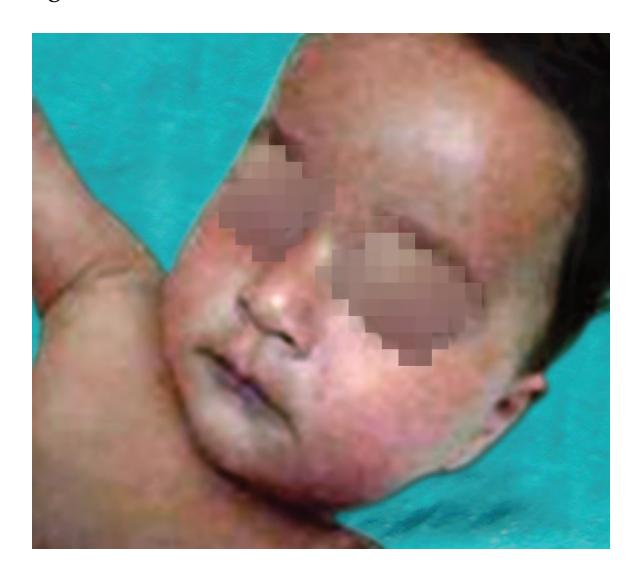
a. What is the most probable diagnosis?
b. What is the causative organism?
c. Name two situations where infection with this organism may be life-threatening.
Answer
- a. Erythema infectiosum (Fifth disease / "Slapped cheek" disease).
- b. Human Parvovirus B19 (single-stranded DNA erythrovirus).
- c. Life-threatening complications:
-
- Transient Aplastic Crisis in patients with underlying chronic hemolytic anemias (Sickle cell anemia, Hereditary spherocytosis, Thalassemia).
-
- Non-immune Hydrops Fetalis / intrauterine fetal demise following maternal infection during pregnancy.
-
- Pure red cell aplasia / chronic anemia in immunocompromised hosts.
-
VVK08-013
A 1-year-old child presented with fever, barking ("seal-like") cough, hoarseness, and inspiratory stridor. Initially child had coryza and low-grade fever. On examination: Tachypnea, stridor at rest, subcostal and intercostal retractions.
a. What is the diagnosis?
b. What is the usual etiological agent?
c. Which X-ray sign is characteristic of this condition?
Answer
- a. Acute Laryngotracheobronchitis (Croup).
- b. Parainfluenza virus type 1 (most common, ~65%); also Parainfluenza types 2 and 3, RSV, Adenovirus, Influenza.
- c. "Steeple sign" (subglottic tracheal narrowing on anteroposterior / AP neck radiograph).
VVK08-014
An 8-day-old female baby was brought to PHC with complaints of progressive difficulty in feeding, excessive crying, trismus ("lockjaw"), and generalized muscle spasms. Parents were laborers, and mother had received no antenatal care or tetanus toxoid. Baby was delivered at home, was well until day 8 when she developed inability to suck, increased tone in all 4 limbs, risus sardonicus, neck retraction, and spasms triggered by touch and sound.
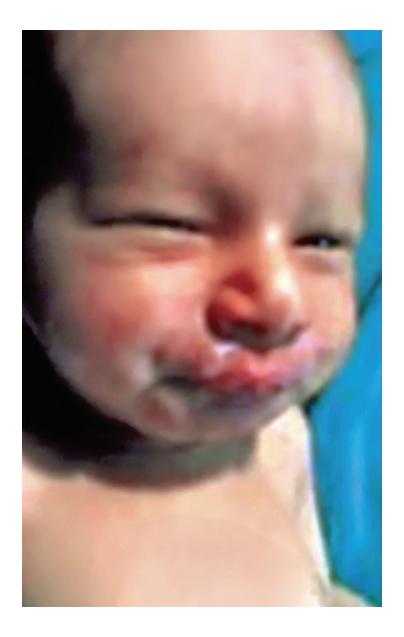
a. What is the diagnosis of this baby?
b. What is the treatment?
c. What is the usual cause of death in this condition?
d. What are the clinical forms of this disease?
e. Excision of the umbilical stump is recommended in this case: (State true/false).
Answer
- a. Neonatal Tetanus (Clostridium tetani neurotoxin tetanospasmin).
- b.
- Neutralize unbound toxin: Human Tetanus Immunoglobulin (HTIG 500–3000 IU IM) or Equine Tetanus Antitoxin (TAT).
- Eradicate bacteria: IV Aqueous Penicillin G (100,000 U/kg/day divided q 6h) or IV Metronidazole (30 mg/kg/day divided q 6h) for 10–14 days.
- Control spasms and rigidity: IV Diazepam / Midazolam infusions, Magnesium sulfate, neuromuscular blockade with mechanical ventilation if severe.
- Supportive care in a quiet, darkened room; gentle umbilical wound cleansing.
- c. Asphyxia / respiratory arrest from acute laryngeal spasm, diaphragmatic spasm, or aspiration pneumonia and autonomic storm.
- d. Generalized tetanus, Neonatal tetanus, Localized tetanus, Cephalic tetanus.
- e. False (routine surgical excision of the umbilical cord stump is no longer recommended and may cause bleeding; gentle cleansing with antiseptic is sufficient).
VVK08-015
During a prenatal visit, an HIV seropositive woman asks you about the advisability of breastfeeding:
a. How would you counsel her if she is from an educated, affluent urban background where safe alternatives are available?
b. How would you counsel her if she is from an underprivileged rural area with limited access to clean water?
c. How would your advice differ if she was HBsAg positive instead?
Answer
- a. In high-resource/urban settings with access to clean water, electricity, and affordable infant formula (AFASS criteria met), exclusive formula feeding is recommended to completely eliminate the risk of postnatal HIV transmission. (Alternatively, if mother adheres strictly to suppressive cART with undetectable viral load, exclusive breastfeeding can be supported under close supervision).
- b. In low-resource/rural settings where replacement feeding is not AFASS (risk of fatal diarrheal dehydration and malnutrition exceeds HIV transmission risk), the mother should receive maternal cART and practice exclusive breastfeeding for the first 6 months, followed by introduction of complementary foods and continued breastfeeding up to 12–24 months while on cART. Mixed feeding in the first 6 months must be strictly avoided.
- c. For an HBsAg-positive mother, breastfeeding is NOT contraindicated. The newborn must receive both Hepatitis B Vaccine and Hepatitis B Immune Globulin (HBIG) within 12–24 hours of birth; once immunized, breastfeeding is completely safe.
VVK08-016
A 7-year-old male presents with headache, high fever and vomiting for the past 24 hours. For past 2 hours patient is increasingly drowsy (GCS 8). On examination: Systolic BP 50 mmHg, pulse rate 140/min, capillary refill time 4 seconds, RR 30/min. There is a non-blanching purpuric and petechial rash over the abdomen and extremities.
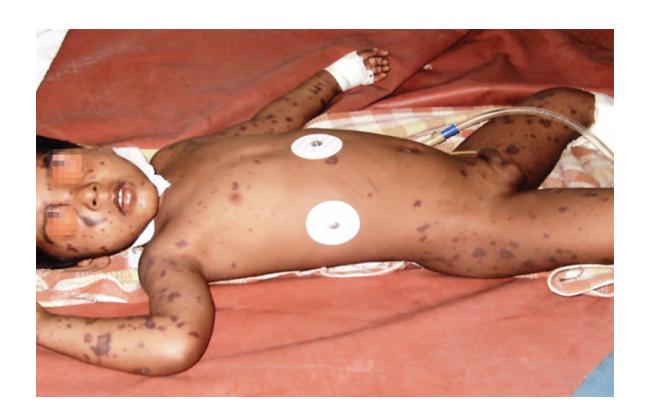
a. What is the most probable diagnosis?
b. What is the first step in management other than airway and breathing?
c. What class of antibiotic would you give to this patient?
d. What drug would you give in dopamine-refractory fluid-refractory septic shock?
Answer
- a. Fulminant Meningococcemia / Meningococcal Septic Shock (Purpura fulminans / Waterhouse-Friderichsen syndrome caused by Neisseria meningitidis).
- b. Aggressive fluid resuscitation with rapid isotonic crystalloid boluses (20 mL/kg push over 5–10 minutes) and early vascular access (intraosseous if peripheral IV fails).
- c. Third-generation cephalosporins: IV Ceftriaxone (100 mg/kg/day) or IV Cefotaxime.
- d. Norepinephrine / Epinephrine infusion, and Stress-dose Corticosteroids (IV Hydrocortisone) for presumed adrenal insufficiency.
VVK08-017
When a mother is HIV positive:
a. What is the risk/percentage of transmission of HIV through breast milk?
b. What should the mother be apprised of if she chooses to breastfeed her baby?
c. What are the methods by which breast milk can be processed to reduce chances of transmission?
d. What criteria should be taken into account before advising replacement formula feeding?
Answer
- a. Approximately 14–16% incremental risk in established maternal infection; rises to 29–30% if the mother acquired primary acute HIV infection during lactation/postpartum.
- b. Essential counselling points:
- Mother must maintain strict adherence to suppressive Combination Antiretroviral Therapy (cART).
- Practice exclusive breastfeeding for 6 months; avoid mixed feeding (which disrupts gut mucosal barrier and increases transmission risk).
- Promptly treat maternal mastitis, cracked nipples, and infant oral thrush.
- Infant should receive infant ARV prophylaxis (e.g. daily Nevirapine/Zidovudine).
- c. Processing methods:
- Flash-heating / Pasteurization (Holder pasteurization at 62.5°C for 30 minutes or Pretoria flash-heating method).
- Boiling human milk.
- Freezing expressed breast milk (reduces cell-associated viral load).
- d. AFASS Criteria:
- A — Acceptable
- F — Feasible
- A — Affordable
- S — Sustainable
- S — Safe
VVK08-018
Study the two pictures shown below:
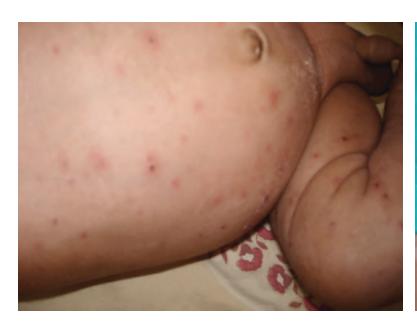
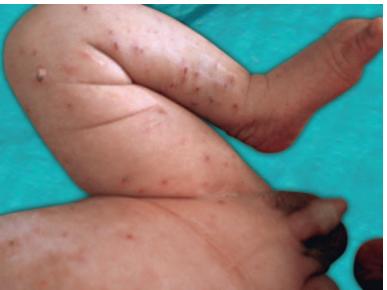
a. Outline the treatment for this condition.
b. List 4 complications of this condition.
c. What medications would you advise for his 5-year-old unimmunized sister and his mother who is 2 months pregnant?
Answer
- a. Treatment of Varicella (Chickenpox):
- Uncomplicated in healthy child: Symptomatic care — oral paracetamol (avoid aspirin due to Reye syndrome risk), calamine lotion, oral antihistamines, cut nails to prevent secondary excoriation.
- High-risk / complicated cases: Oral/IV Acyclovir (20 mg/kg/dose QID, max 800 mg/dose) initiated within 24–72 hours of rash onset for immunocompromised children, adolescents, chronic pulmonary/cutaneous disorders.
- b. Complications:
- Secondary bacterial skin infections (Staphylococcus aureus, Group A Strep — cellulitis, impetigo, necrotizing fasciitis)
- Acute cerebellar ataxia / Varicella encephalitis
- Varicella pneumonia
- Thrombocytopenia / Purpura fulminans
- Reye syndrome (if aspirin ingested)
- Post-herpetic neuralgia / Myocarditis / Glomerulonephritis
- c. Post-exposure Prophylaxis:
- 5-year-old sister (unimmunized, non-immune): Live-attenuated Varicella vaccine given within 3–5 days of exposure.
- Pregnant mother (non-immune, 2 months gestation): Varicella-Zoster Immune Globulin (VZIG / VariZIG 125 IU/10 kg IM, max 625 IU) within 96–240 hours of exposure to prevent maternal severe complications. (Live vaccine is contraindicated during pregnancy).
VVK08-019
A primigravida mother who had a history of fever with vesiculopustular rash during the second trimester of pregnancy gives birth to an IUGR baby having cicatricial skin lesions and hypoplasia of certain fingers and toes. Neuroimaging of this baby revealed cortical atrophy with ventriculomegaly.
a. What is the diagnosis?
b. List 3 clinical features of this condition.
c. What percentage of fetuses may get infected if a pregnant lady gets this infection in early pregnancy?
Answer
- a. Congenital Varicella Syndrome (CVS).
- b. Clinical tetrad of features:
-
- Cutaneous: Cicatricial zigzag skin scarring along dermatomes.
-
- Musculoskeletal: Hypoplasia/shortening of extremities, rudimentary digits, clubfoot.
-
- Neurological: Microcephaly, cortical atrophy, ventriculomegaly, neurogenic bladder/bowel, Horner syndrome.
-
- Ocular: Chorioretinitis, microphthalmia, cataracts, optic atrophy.
-
- c. Maternal varicella in the first 20 weeks of gestation carries a ~1–2% risk of clinically evident Congenital Varicella Syndrome in the fetus (fetal transmission occurs in ~25%, but clinical syndrome develops in 1–2%).
VVK08-020
A 3-year-old female child is a newly diagnosed case of HIV. Write down the prescription for this patient with protease inhibitor-based regimens keeping in mind her latest investigations: CD4 count 70/mm3 (< 15%), Hb 9.2 g/dL, platelets 1.6 lakhs/mm3, normal LFTs.
Answer
- Antiretroviral Therapy (Triple-Drug Regimen):
- NRTI Backbone: Zidovudine (AZT) + Lamivudine (3TC) [or Abacavir (ABC) + 3TC]
- PI Component: Lopinavir boosted with Ritonavir (LPV/r)
- Opportunistic Infection (OI) Prophylaxis:
- Pneumocystis jirovecii Pneumonia (PJP) prophylaxis: Oral Cotrimoxazole (Trimethoprim-Sulfamethoxazole 5 mg/kg TMP component once daily).
- Mycobacterium avium Complex (MAC) prophylaxis: Oral Azithromycin (20 mg/kg once weekly or 5 mg/kg daily) due to severe immunosuppression (CD4 < 750/mm3 in child < 5 years / < 15%).
VVK08-021
A 5-year-old child has sustained a bleeding scratch injury on the left leg due to exposure to the paws/claws of a clinically rabid dog. There was definitely no bite or direct saliva contamination of the wound.
a. What category/class of exposure is this?
b. How would you manage this patient?
Answer
- a. Category III exposure (scratches with oozing blood / transdermal scratches caused by claws of a suspect/rabid animal).
- b. Management:
-
- Immediate local wound care: Thoroughly flush and wash the wound with soap and running water for at least 15 minutes, followed by application of povidone-iodine / virucidal antiseptic. Do not suture immediately.
-
- Rabies Immunoglobulin (RIG): Administer Human Rabies Immunoglobulin (HRIG 20 IU/kg) or Equine Rabies Immunoglobulin (ERIG 40 IU/kg) infiltrated into and around the wound as much as anatomically feasible, with any remainder given IM at a site distant from the vaccine.
-
- Rabies Vaccination: Modern cell-culture vaccine (IM Essen regimen on days 0, 3, 7, 14, 28 in deltoid/anterolateral thigh or ID Thai Red Cross regimen on days 0, 3, 7, 28).
-
- Tetanus prophylaxis and oral antibiotics as indicated.
-
VVK08-022
A 5-year-old male child is brought to ER with fever, edema of left eyelid, redness, chemosis, ophthalmoplegia and proptosis. There is severe pain on eye movements. There is a history of penetrating eyelid trauma 6 hours back while playing. The child is also diabetic and on regular insulin therapy.
a. What is the diagnosis?
b. Mention two most likely causative organisms.
c. Mention three complications of this entity.
Answer
- a. Orbital Cellulitis (Post-septal cellulitis).
- b. Staphylococcus aureus (including MRSA), Streptococcus pneumoniae, Streptococcus pyogenes (Group A Strep), Haemophilus influenzae, anaerobes, and Mucorales / Aspergillus (in diabetic patients).
- c.
- Permanent visual loss (optic neuropathy / central retinal artery occlusion)
- Subperiosteal / orbital abscess
- Cavernous sinus thrombosis
- Meningitis / Subdural empyema / Brain abscess
VVK08-023
A 3-year-old boy presented with failure to thrive. The child was apparently asymptomatic for the first two years of life. He began to have diarrhea with light-colored stools. Although stool examinations were performed, it was unclear what the report was. The child was placed on a high protein, high calorie diet with vitamins and supplements; however, he showed very little improvement over a 4-month period. Barium exam showed "large dilated loops of hypotonic bowel". Stool examination shows a flagellated protozoan parasite which on staining shows characteristic "smiley face" binucleated trophozoites.
a. Identify the condition.
b. What is the best possible diagnostic test?
c. How do you treat this condition?
Answer
- a. Chronic Giardiasis (Giardia duodenalis / Giardia lamblia infection causing malabsorption).
- b. Stool microscopy for cysts/trophozoites on 3 separate alternate-day stool specimens (detects ~90%), or Stool Giardia Antigen ELISA (coproantigen EIA / rapid immunochromatographic assay, sensitivity > 95%), or Upper GI endoscopy with duodenal aspirate/biopsy.
- c.
- Oral Metronidazole (15–30 mg/kg/day divided tid for 5–7 days)
- Oral Tinidazole (50 mg/kg single dose, max 2 g)
- Oral Nitazoxanide (100–200 mg bid for 3 days) or Albendazole (400 mg daily for 5 days).
VVK08-024
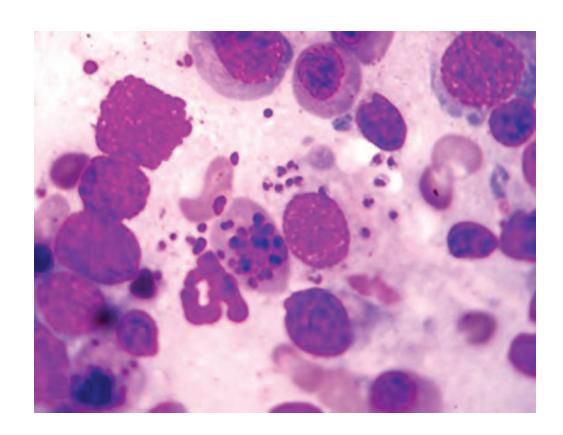
An 8-year-old child resident of Delhi (with history of travel to Bihar) is admitted with fever for last 5–6 days, loss of appetite for 6 days and hepatosplenomegaly. His bone marrow / splenic aspirate smear is shown below:
a. Identify the picture (name the form of parasite).
b. Name the culture media used for growth of this parasite.
c. Name the drugs used to treat resistant cases infected with this parasite.
Answer
- a. Visceral Leishmaniasis / Kala-Azar showing Leishman-Donovan (LD) bodies (intracellular non-flagellated amastigote form inside macrophages).
- b. NNN medium (Novy-MacNeal-Nicolle agar medium).
- c.
- Liposomal Amphotericin B (drug of choice)
- Miltefosine (oral)
- Paromomycin (Aminosidine)
- Pentamidine isethionate
- Recombinant Interferon-gamma + antimonials
VVK08-025
A pregnant lady found to be HBsAg positive gives birth to a term baby:
a. What is the risk of the baby getting hepatitis B infection?
b. How do you protect the baby?
c. Is there a possibility for the baby to be infected in spite of proper management?
d. What is the prognosis in infected newborns?
Answer
- a.
- If mother is HBsAg positive and HBeAg positive: 70–90% risk of vertical transmission.
- If mother is HBsAg positive and HBeAg negative / anti-HBe positive: 10–30% risk.
- b. Active-Passive Immunoprophylaxis:
- Hepatitis B Vaccine (first dose) administered IM within 12–24 hours of birth.
- Hepatitis B Immune Globulin (HBIG 0.5 mL / 100–200 IU IM) administered within 12–24 hours at a different anatomical site (opposite anterolateral thigh).
- Complete remaining doses of Hepatitis B vaccine at 6, 10, 14 weeks (or 1, 6 months).
- c. Yes, in ~5–10% of cases immunoprophylaxis may fail due to high maternal viral load (
) leading to intrauterine/transplacental infection or HBV surface antigen mutant strains. - d. > 90% of infected neonates become chronic HBV carriers, with 25–40% at high risk of developing chronic active hepatitis, cirrhosis, and hepatocellular carcinoma in early adulthood.
VVK08-026
A 7-year-old boy presented with 4 weeks history of high-grade fever, fatigue, weight loss, and was found to have a grossly enlarged non-tender liver 4 cm below costal margin and spleen 6 cm, but no lymphadenopathy. His Hb was 4 g/dL, TLC 3500/cumm and platelet count 56,000/cumm. A bone marrow aspiration was done and the slide is depicted below:
a. Describe the findings on smear and give the diagnosis.
b. Name the first-line drug for the condition. Write the dose, route of administration and duration.
c. Name two other drugs for this condition.
Answer
- a. Bone marrow aspirate showing intracellular and extracellular amastigotes of Leishmania donovani (LD bodies) within reticuloendothelial macrophages. Diagnosis: Visceral Leishmaniasis (Kala-Azar).
- b. Liposomal Amphotericin B: 10 mg/kg as a single IV infusion (WHO recommended first-line for Indian subcontinent) or 3–5 mg/kg/day IV for 3–5 days. (Historically: Sodium Stibogluconate 20 mg Sb/kg/day IM/IV for 28–30 days).
- c. Miltefosine (oral), Paromomycin (IM), Conventional Amphotericin B deoxycholate, Pentamidine isethionate.
VVK08-027
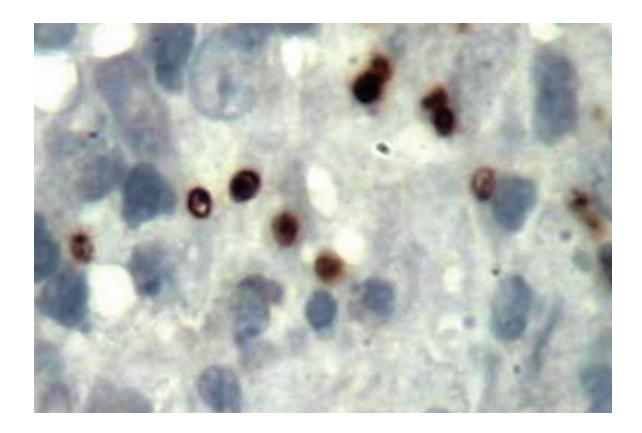
A 7-year-old boy, resident of Uttar Pradesh, comes home from school daily by walking through paddy fields. Near his home are stray cattle and pigs. Two days ago he developed high-grade fever, headache and vomiting. Ten hours later he developed multiple seizures and became unconscious. On examination: Febrile, comatose, generalized hypertonia, and left hemiparesis. There are no signs of meningeal irritation. There is history of similar cases in the village.
a. What is the likely clinical diagnosis?
b. How is this disease transmitted?
c. What are the methods to confirm the diagnosis?
d. What is the test of choice?
Answer
- a. Acute Encephalitis Syndrome (AES) secondary to Japanese Encephalitis (JE).
- b. Vector-borne transmission via the bite of infected Culex mosquitoes (predominantly Culex tritaeniorhynchus and Culex vishnui), with pigs and ardeid birds serving as amplifier/reservoir hosts.
- c.
-
- Detection of JE-specific IgM antibodies in CSF or serum.
-
-fold rise in JE-specific antibody titers between acute and convalescent sera.
-
- Viral RNA detection by RT-PCR in CSF/brain tissue.
-
- Viral isolation in cell culture or infant mice.
-
- d. CSF IgM Capture ELISA (MAC-ELISA) is the diagnostic test of choice.
VVK08-028
A 5-year-old male child presents with fever for past 10 days. Fever is high grade, continuous in nature without chills and rigors. There are no associated loose motions, vomiting, headache, photophobia, cough, cold or rash. On examination child is conscious, febrile, normotensive with bilateral non-exudative bulbar conjunctival congestion. Two cervical lymph nodes (right-sided) are palpable, approximately 2 cm each. There is periungual desquamation of the skin around the fingers. There is no hepatosplenomegaly. Rest of systemic examination is normal.
a. What is your most probable diagnosis?
b. Name one characteristic feature that can be found in complete blood counts.
c. In what percentage of cases does the acute illness tend to recur?
d. What drug (drug of choice) would you give to this patient?
Answer
- a. Kawasaki Disease (Mucocutaneous Lymph Node Syndrome).
- b. Marked Thrombocytosis (platelet count
characteristically peaking in the 2nd–3rd week); along with neutrophilic leukocytosis and elevated ESR/CRP. - c. 1–3% of cases.
- d. Intravenous Immunoglobulin (IVIG) 2 g/kg as a single IV infusion over 10–12 hours, plus high-dose oral Aspirin (30–50 mg/kg/day divided 6-hourly, reduced to 3–5 mg/kg/day antiplatelet dose after fever subsides).
VVK08-029
A 14-year-old female child complains of severe colicky abdominal pain for the past 10 days. She has also developed vomiting and loose motions for past 4 days. She also has weakness of both lower limbs and is unable to walk for the past 24 hours. On examination: Hypertensive, tachycardia (HR 142/min). CNS examination reveals diminished tone in both lower limbs with power grade 2/5, absent deep tendon reflexes. She is passing dark red / high-colored urine that darkens on standing in sunlight.
a. Give 2 differential diagnoses for this condition.
b. Investigations revealed serum Na+ 110 mEq/L, K+ 4 mEq/L, SGPT 37 U/L. What is the definitive diagnosis?
c. Suggest one investigation for diagnosis.
d. Suggest the appropriate treatment.
Answer
- a. Acute Intermittent Porphyria (AIP), Guillain-Barré Syndrome (GBS), Lead poisoning, Hypokalemic periodic paralysis.
- b. Acute Intermittent Porphyria (AIP) (with SIADH-induced severe hyponatremia and autonomic neuropathy).
- c. Urinary Porphobilinogen (PBG) and Delta-Aminolevulinic Acid (ALA) (Watson-Schwartz test / quantitative ion-exchange chromatography; urine turns reddish-purple on exposure to light).
- d.
- Intravenous Hemin / Hematin (3–4 mg/kg/day IV for 4 days) is the specific therapy of choice.
- High-dose IV 10% Glucose / carbohydrate loading (300–400 g/day).
- Discontinue all porphyrinogenic offending drugs.
- Strict correction of hyponatremia and supportive management.
VVK08-030
A male child aged 13 months presented with loose motions for 5 days. On the 2nd day of loose motions, he passed bloody stools. On the 4th day of illness loose motions stopped, but he developed oliguria/anuria. He became irritable and had one episode of generalized tonic-clonic convulsions with altered sensorium 1 hour back. On examination: Child is pale, with petechiae, hepatomegaly, tachypnea, and generalized edema. BP is 100/60 mmHg. ABG reveals metabolic acidosis.
a. Name two differential diagnoses.
b. Name 3 electrolyte disturbances that can be associated with this illness.
c. What would be your management plan?
Answer
- a.
-
- Hemolytic Uremic Syndrome (D+ HUS) (triad of microangiopathic hemolytic anemia, thrombocytopenia, and acute kidney injury)
-
- Acute Glomerulonephritis (AGN) / Post-infectious GN
-
- Thrombotic Thrombocytopenic Purpura (TTP) / Septic shock with acute tubular necrosis
-
- b.
- Hyperkalemia (
) - Hyponatremia (
) (dilutional) - Hyperphosphatemia (
) and Hypocalcemia ( )
- Hyperkalemia (
- c.
- Strict fluid restriction: Insensible water loss + previous 24-hr urine output + extra losses.
- Correction of severe hyperkalemia and metabolic acidosis.
- Packed RBC transfusion (slowly for severe symptomatic anemia Hb < 6 g/dL; avoid platelet transfusions unless life-threatening hemorrhage).
- Early Renal Replacement Therapy / Peritoneal Dialysis for refractory hyperkalemia, severe fluid overload, or persistent anuria.
VVK08-031
A 12-year-old male presented with colicky periumbilical abdominal pain for 8 days. He also developed transient scrotal swelling 6 days back which subsided within 24 hours. During the past 2 days, he developed arthralgia/arthritis in the right wrist and right knee, along with palpable purpuric rash over the extensor surfaces of lower legs and buttocks. This morning his stools were bright red ("red currant jelly"). Abdominal palpation reveals generalized tenderness and the right lower quadrant feels empty (Dance sign).
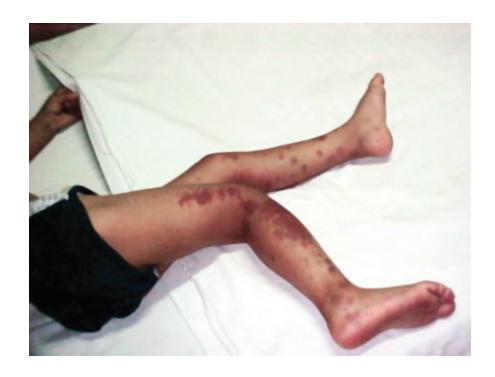
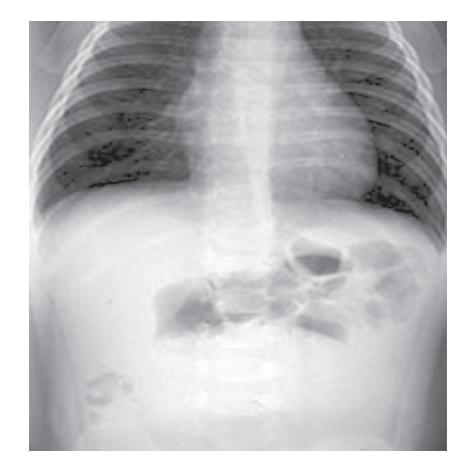
a. What is your most probable diagnosis?
b. X-ray abdomen is shown above: What complication has the patient developed?
c. What is the definitive medical treatment?
Answer
- a. Henoch-Schönlein Purpura (HSP / IgA Vasculitis).
- b. Intussusception (typically ileo-ileal, caused by submucosal bowel wall hematoma acting as a lead point).
- c.
- Systemic Corticosteroids (oral Prednisolone 1–2 mg/kg/day or IV Methylprednisolone) for severe abdominal pain / vasculitis.
- Urgent surgical evaluation / laparotomy for irreducible or complicated intussusception (pneumatic/hydrostatic reduction may be attempted if uncomplicated ileocolic).
VVK08-032
A 4-year-old female child presented with gradually increasing difficulty in breathing, cough and low-grade fever for 10 hours. She had one episode of hemoptysis and 1–2 episodes of melena 24 hours back. On examination: Marked pallor, HR 162/min, RR 50/min. Respiratory exam shows bilateral crackles and wheezing. Blood investigations showed microcytic hypochromic anemia with reticulocytosis and low serum iron.
a. What is the diagnosis?
b. What is the diagnostic investigation with characteristic findings?
c. Which cardiac condition can resemble this symptomatology?
Answer
- a. Idiopathic Pulmonary Hemosiderosis (IPH) (or Heiner syndrome).
- b. Bronchoalveolar Lavage (BAL) or gastric aspirate demonstrating numerous hemosiderin-laden alveolar macrophages (siderophages) stained with Prussian blue.
- c. Mitral Stenosis (causes chronic pulmonary venous hypertension, pulmonary edema, and hemoptysis).
VVK08-033
Match the appropriate antidote to its corresponding drug/toxin overdose:
| Antidote | Toxin / Overdose |
|---|---|
| a. Deferoxamine | 1. Acetaminophen (Paracetamol) |
| b. N-Acetylcysteine | 2. Benzodiazepines |
| c. Pyridoxine (Vitamin B6) | 3. Nitrites / Methemoglobinemia |
| d. Vitamin K1 (Phytonadione) | 4. Isoniazid (INH) |
| e. BAL (Dimercaprol) | 5. Heavy metals (Arsenic, Mercury, Gold, Lead) |
| f. Methylene blue | 6. Organophosphates |
| g. Atropine | 7. Acute Iron toxicity |
| h. Flumazenil | 8. Warfarin / Coumarin rodenticides |
Answer
- a. Deferoxamine — 7. Acute Iron toxicity
- b. N-Acetylcysteine — 1. Acetaminophen (Paracetamol)
- c. Pyridoxine (Vitamin B6) — 4. Isoniazid (INH)
- d. Vitamin K1 — 8. Warfarin / Coumarin rodenticides
- e. BAL (Dimercaprol) — 5. Heavy metals (Arsenic, Mercury, Gold, Lead)
- f. Methylene blue — 3. Nitrites / Methemoglobinemia
- g. Atropine — 6. Organophosphates
- h. Flumazenil — 2. Benzodiazepines
VVK08-034
Study the given contrast-enhanced CT scan of head:
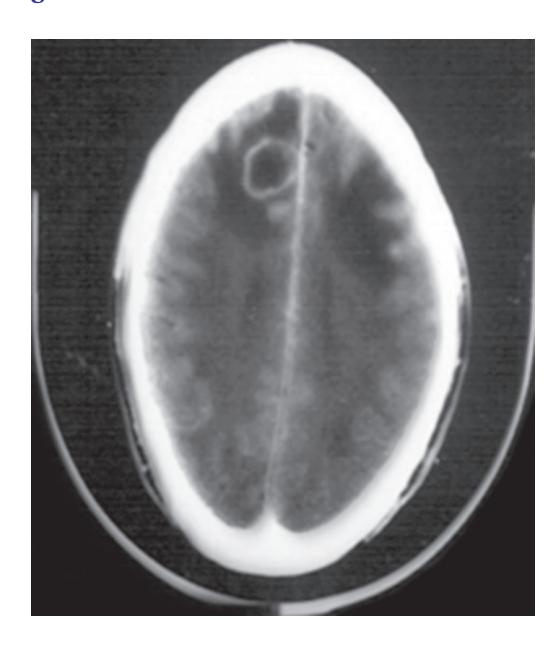
a. What does this CT scan head reveal?
b. What is the likely diagnosis?
c. Name the drugs used in medical management of this condition.
d. What are the indications for surgical intervention in such a case?
Answer
- a. A well-defined, smooth, thin ring-enhancing hypodense mass lesion in the left frontal lobe with extensive surrounding perilesional vasogenic edema and mass effect with midline shift.
- b. Brain Abscess (Cerebral Abscess).
- c. Empiric IV broad-spectrum antimicrobial therapy for 4–8 weeks:
- 3rd/4th generation Cephalosporin (Ceftriaxone or Cefotaxime) + Metronidazole (for anaerobes) + Vancomycin (for MRSA/Staph) ± Meropenem.
- Adjunctive IV Dexamethasone (if marked mass effect/herniation risk) and Anticonvulsants (Levetiracetam/Phenytoin).
- d. Indications for Surgical Intervention (Stereotactic aspiration or open excision):
- Abscess diameter
- Significant mass effect, midline shift, or impending brain herniation
- Location in the posterior fossa (cerebellum)
- Gas-containing or multiloculated abscess
- Fungal or tubercular abscess
- Failure to improve or enlargement after 2–3 weeks of medical therapy
- Abscess diameter
VVK08-035
Answer the questions based on the picture shown below. This child was systemically unwell with high fever, mucosal erosions, and targetoid skin lesions.
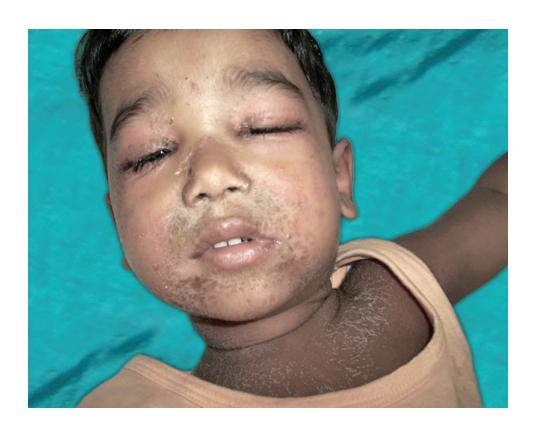
a. What is the diagnosis?
b. Name two causes for this condition.
c. What mucous membrane sites are commonly affected in this condition?
Answer
- a. Stevens-Johnson Syndrome (SJS) / Toxic Epidermal Necrolysis (TEN) overlap.
- b.
- Drugs (most common): Sulfonamides, Anticonvulsants (Carbamazepine, Phenobarbital, Phenytoin, Lamotrigine), NSAIDs, Allopurinol, Penicillins.
- Infections: Mycoplasma pneumoniae, Herpes Simplex Virus (HSV), Cytomegalovirus, Epstein-Barr Virus.
- c.
- Oral cavity: Severe stomatitis, hemorrhagic crusting of vermilion border of lips, painful oral mucosal erosions.
- Eyes: Purulent conjunctivitis, corneal ulcerations, symblepharon, uveitis.
- Genitourinary: Urethritis, painful balanitis, vulvovaginal ulcerations.
VVK08-036
A 5-year-old male child residing in an overcrowded slum presents with itchy lesions in the groins, male genitalia, web spaces, and between the buttocks:
a. Spot the diagnosis and name the etiological agent.
b. What is the treatment for this condition?
Answer
- a. Scabies caused by the mite Sarcoptes scabiei var. hominis.
- b.
- Topical 5% Permethrin cream applied overnight (8–12 hours) over the entire body from neck to toes; repeated after 1 week.
- For infants < 2 months: 6% precipitated sulfur ointment in petrolatum applied for 3 consecutive nights.
- Simultaneous treatment of all household contacts and washing all bedclothes/linen in hot water.
VVK08-037
A 7-year-old male child presented with sudden onset explosive watery diarrhea with abdominal distension, flatulence and epigastric cramps without blood or mucus in the stool. Stool examination of this child is shown below:
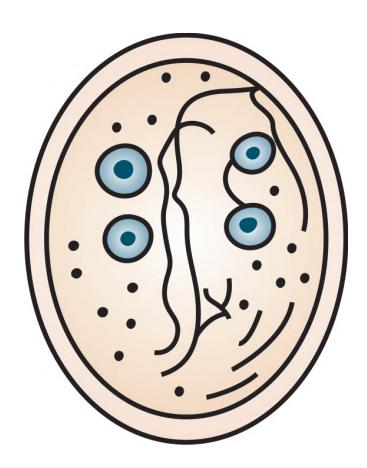
a. What is the diagnosis?
b. What would be the schedule for stool microscopic examination for this condition?
c. Name two other modalities of diagnosis other than stool microscopy.
d. What are the drugs used in treatment? (At least 3).
Answer
- a. Acute symptomatic Giardiasis (Giardia duodenalis / Giardia lamblia).
- b. Examination of at least 3 separate stool specimens collected on alternate days (detection rate rises up to 90% due to intermittent cyst excretion).
- c.
- Stool Giardia antigen detection by ELISA / Rapid Immunochromatographic Strip (sensitivity > 95%).
- Duodenal string test (Entero-Test) or upper endoscopy with duodenal aspirate/biopsy.
- d.
-
- Metronidazole (15–30 mg/kg/day divided tid
5–7 days)
- Metronidazole (15–30 mg/kg/day divided tid
-
- Tinidazole (50 mg/kg single dose)
-
- Nitazoxanide (100–200 mg bid
3 days)
- Nitazoxanide (100–200 mg bid
-
- Albendazole (400 mg daily
5 days)
- Albendazole (400 mg daily
-
VVK08-038
An 18-year-old student presents to OPD with 10 days history of fever, severe sore throat, malaise, and a generalized maculopapular rash that developed today after starting amoxicillin. Her temperature is 102.2°F (39°C). Examination reveals mild periorbital edema (Hoagland sign), bilaterally enlarged tonsils coated with thick shaggy white-gray exudate, palatal petechiae, symmetric bilateral posterior cervical lymphadenopathy, and splenomegaly palpable 3 cm below left costal margin. WBC is 17,000/mm3 with 50% lymphocytes, 15% atypical reactive Downey lymphocytes, and platelet count 100,000/mm3.
a. What is the most likely diagnosis?
b. What is the best tool to quickly confirm this diagnosis?
c. What is the best management for this condition?
d. What is the expected course and main precautions for this condition?
Answer
- a. Infectious Mononucleosis (Glandular Fever) caused by Epstein-Barr Virus (EBV) (with classic ampicillin/amoxicillin-induced rash).
- b. Heterophile antibody test (Monospot test / Paul-Bunnell test); confirmed by EBV-specific serology (IgM anti-VCA / Viral Capsid Antigen).
- c. Symptomatic and supportive treatment: Adequate rest, hydration, antipyretics (paracetamol, ibuprofen). Avoid antibiotics (amoxicillin/ampicillin). Short-course corticosteroids reserved only for impending airway obstruction, severe thrombocytopenia, or hemolytic anemia.
- d. Acute symptoms resolve within 2–4 weeks; fatigue may persist for several weeks. Strict avoidance of contact sports and heavy lifting for at least 3–4 weeks (or until splenomegaly fully resolves) to prevent life-threatening splenic rupture.