VVK03-001
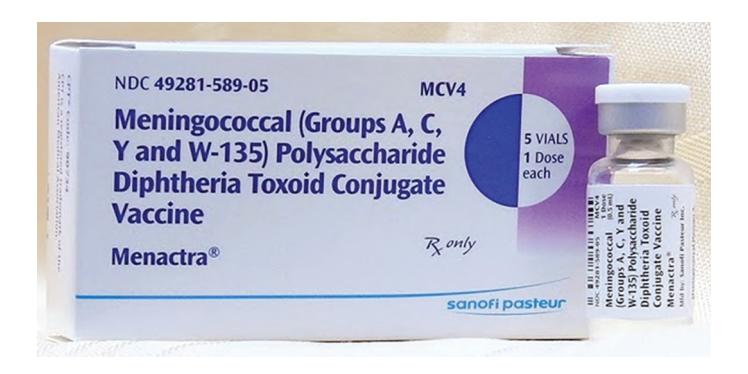
- a. What is the usage of above drug?
- b. What is the preferred route of administration?
- c. What is the dose?
- d. What is the minimum safe age?
- e. What is the limitation?
Answer
- a. Active immunization to prevent invasive meningococcal disease caused by Neisseria meningitidis serogroups A, C, Y, and W-135 (Menactra / Menveo - Meningococcal conjugate vaccine).
- b. Intramuscular (IM) injection.
- c. 0.5 mL.
- d. 9 months (approved from 9 months during outbreaks/high risk; routinely given in older children).
- e. Does not protect against Neisseria meningitidis serogroup B disease.
VVK03-002
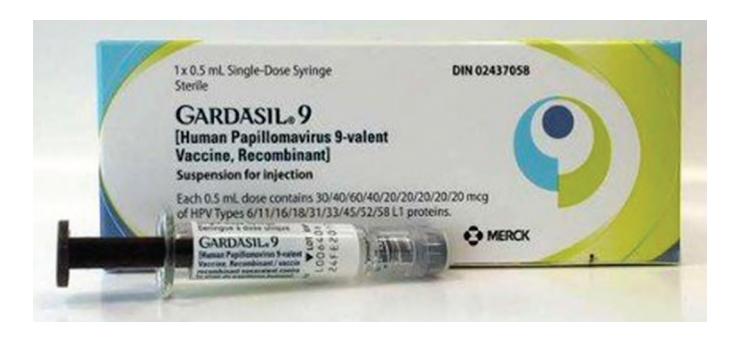
- a. What is the usage of above drug?
- b. What is the preferred route of administration?
- c. What is the dose?
- d. What is the minimum safe age?
Answer
- a. Recombinant Human Papillomavirus (HPV) quadrivalent vaccine (Gardasil) protecting against HPV types 6, 11 (genital warts) and 16, 18 (cervical, anal, and vulvar cancer).
- b. Intramuscular (IM) injection (deltoid region).
- c. 0.5 mL per dose:
- Age 9–14 years: 2-dose schedule (0 and 6 months).
- Age ≥15 years or immunocompromised: 3-dose schedule (0, 2, and 6 months).
- d. 9 years.
VVK03-003
A mother was worried that her newborn baby did not receive polio drops along with BCG before discharge from hospital.
- a. What is the role of zero dose polio?
- b. What is the content of oral polio vaccine per dose?
- c. Unlike other live vaccines which are administered as single doses, why multiple dose of OPV are recommended?
- d. What specific instruction has to be given to the mother after OPV administration?
Answer
- a. Role of zero dose OPV:
- Better mucosal gut uptake in the neonatal period due to absence of interfering adult enteroviral flora.
- Generates early local mucosal (IgA) immunity before community exposure.
- High coverage due to institutional contact before hospital discharge; maternal transplacental IgG does not interfere with mucosal uptake.
- b. Content per dose (2 drops = 0.1 mL of bivalent OPV / trivalent):
- Type 1:
(or ) - Type 2:
(in tOPV) - Type 3:
- Type 1:
- c. Multiple doses of OPV are needed because:
- Interference by maternal antibodies and enteroviral infections in tropical guts impairs single-dose take.
- Viral interference: in trivalent/bivalent OPV, one strain may dominate and interfere with immune response to others, necessitating repeated doses for high seroconversion (>95%).
- d. No special restriction on feeding or breastfeeding is necessary; counsel the mother to return for subsequent scheduled primary doses at 6, 10, and 14 weeks.
VVK03-004
DRUG: METHYLENE BLUE.
- a. Name two conditions where it can be used.
- b. Name two contraindications for its use.
- c. What is the color of urine when a patient is given methylene blue?
Answer
- a. Indications:
-
- Drug-induced / acquired methemoglobinemia (e.g., due to dapsone, prilocaine, nitrates).
-
- Cyanide poisoning (adjunctive) and Ifosfamide-induced encephalopathy.
-
- b. Contraindications:
-
- Glucose-6-phosphate dehydrogenase (G6PD) deficiency (risk of severe hemolysis).
-
- Severe renal insufficiency.
-
- c. Blue-green (greenish-blue).
VVK03-005
DRUG: PARACETAMOL.
- a. What are the indications for its usage? Name the different routes and dose to be given.
- b. How frequently can you give this drug and what is the maximum dose limit?
- c. What can be done to prevent toxicity?
- d. What is the antidote for paracetamol toxicity? What dose of the antidote should be given?
Answer
- a.
- Indications: Analgesic (mild to moderate pain) and Antipyretic (fever).
- Routes & Doses: Oral/Rectal: 10–15 mg/kg/dose; IV: 15 mg/kg/dose.
- b.
- Frequency: Every 4 to 6 hours as needed (maximum 4–5 doses in 24 hours).
- Maximum dose limit: 60–75 mg/kg/day in children (max 4 g/day in adolescents/adults).
- c. Prevent toxicity by adhering to weight-based dosing, using measuring syringes/droppers, checking combination cough/cold medications to avoid accidental duplication, and reducing dose in hepatic/renal impairment or prolonged use.
- d. Antidote: N-acetylcysteine (NAC).
- IV NAC Regimen (3-bag protocol):
- Loading dose: 150 mg/kg in 5% dextrose over 60 minutes.
- Second infusion: 50 mg/kg over 4 hours.
- Third infusion: 100 mg/kg over 16 hours (Total 300 mg/kg over 21 hours).
- IV NAC Regimen (3-bag protocol):
VVK03-006
Answer the following questions:
- a. What vaccination schedule would you offer to a newborn baby born to a HBsAg +ve mother and when?
- b. Which vaccine would you advise a thalassemic patient who is undergoing a splenectomy?
- c. What is the minimum duration advised between vaccination and splenectomy?
- d. Write the vaccination schedule for a person who has been bitten by a dog 3 hours back. The patient had been bitten by the same animal 1 year back and has received a full course of vaccinations at that time.
Answer
- a. Administer Hepatitis B Immunoglobulin (HBIG 0.5 mL / 100 IU IM) and Hepatitis B Vaccine (0.5 mL IM) at different anatomical sites (opposite anterolateral thighs) within 12–24 hours of birth. Complete the vaccine series at 0, 1, 2, and 12 months or at birth, 6, 10, and 14 weeks. Check anti-HBs and HBsAg titers at 9–12 months of age.
- b. Encapsulated organism vaccines:
-
- Pneumococcal conjugate (PCV13) followed by Pneumococcal polysaccharide (PPSV23).
-
- Meningococcal conjugate vaccine (MenACWY and MenB).
-
- Haemophilus influenzae type b (Hib) vaccine.
-
- Annual Influenza and Typhoid vaccines.
-
- c. At least 2 weeks (14 days) prior to elective splenectomy (or 2 weeks after surgery if emergency splenectomy).
- d. Re-exposure prophylaxis: 2 doses of cell-culture Rabies Vaccine (1 mL IM or 0.1 mL ID) on Day 0 and Day 3. Rabies Immunoglobulin (RIG) is NOT indicated for previously fully vaccinated individuals.
VVK03-007
DRUG: ADRENALINE (EPINEPHRINE).
- a. What is the strength (in terms of mg/mL) of the commercially available adrenaline ampoule?
- b. What are the indications for its usage in NRP?
- c. Name the route and dose to be given in NRP.
- d. How frequently can it be given?
- e. Give 3 noncardiac uses of this drug.
- f. Give 3 cardiac and 3 noncardiac side effects of this drug.
- g. Give 3 conditions where use of adrenaline is relatively contraindicated.
Answer
- a. 1 mg/mL (1:1,000 solution).
- b. Indication in NRP: Heart rate remains <60 beats/min despite at least 60 seconds of effective positive pressure ventilation with 100% O2 and coordinated chest compressions.
- c. Route and dose (using 1:10,000 dilution = 0.1 mg/mL):
- IV / Umbilical Venous Catheter (UVC - preferred): 0.1–0.3 mL/kg (0.01–0.03 mg/kg) followed by normal saline flush.
- Endotracheal (ET): 0.5–1.0 mL/kg (0.05–0.1 mg/kg).
- d. Every 3 to 5 minutes if HR remains <60 bpm.
- e. Non-cardiac uses:
-
- Anaphylactic shock (0.01 mg/kg IM of 1:1000).
-
- Acute severe asthma / Bronchospasm.
-
- Croup / Post-extubation stridor (Nebulized racemic adrenaline / L-adrenaline).
-
- Local vasoconstrictor to control mucosal bleeding.
-
- f. Side effects:
- Cardiac: Tachycardia, ventricular arrhythmias/fibrillation, hypertension, myocardial ischemia.
- Non-cardiac: Tremors, anxiety/restlessness, headache, pallor, hyperglycemia, hypokalemia.
- g. Relative contraindications: Uncontrolled hypertension, thyrotoxicosis, pheochromocytoma, halothane anesthesia (arrhythmia risk), narrow-angle glaucoma.
VVK03-008
DRUG: AMPHOTERICIN B.
- a. Mention one indication other than as an antifungal agent.
- b. What is the maximum iv dose (mg/kg/day)?
- c. Amphotericin B can be gives through oral route. Write true/false.
- d. Most common side affect of amphotericin B therapy (name the system affected).
- e. Which of the following is not the side effect of amphotericin B?
- i. Hypokalemia
- ii. Hyperkalemia
- iii. Hypomagnesemia
- iv. Hypermagnesemia
Answer
- a. Visceral Leishmaniasis (Kala-azar) and Primary amoebic meningoencephalitis (Naegleria fowleri).
- b. 1.0–1.5 mg/kg/day (conventional Amphotericin B deoxycholate); 3–5 mg/kg/day (Liposomal Amphotericin B).
- c. True (used orally for non-absorbable GI fungal infections / oral candidiasis).
- d. Renal system (Nephrotoxicity: tubular acidosis, azotemia, electrolyte wasting).
- e. iv. Hypermagnesemia (Amphotericin causes hypomagnesemia and hypokalemia due to distal tubular damage).
VVK03-009
RABIES VACCINE.
- a. A pet vaccinated dog has bitten a child on his left leg. In this incident, the child got an abrasion of 1.5 cm with slight oozing of blood. What class of rabies exposure is this?
- b. Which of the following is most essential in rabies postexposure prophylaxis?
-
- Local wound irrigation with soap and water.
-
- Antirabies vaccination.
-
- Rabies immunoglobulin administration.
-
- Observation of dog.
-
- c. What is dose and route of equine rabies immunoglobulin administration?
- d. A five-year-old child has received full postexposure prophylaxis for rabies 3 years back. Now this child has been bitten by stray dog and got class III bite. Which schedule will you use?
Answer
- a. Category III bite (transdermal bite or scratch, broken skin with oozing blood).
- b. 1. Local wound irrigation with soap and water (most crucial immediate step, reduces viral inoculum significantly).
- c. Dose: 40 IU/kg body weight (Equine Rabies Immunoglobulin - ERIG; Human RIG is 20 IU/kg). Infiltrated thoroughly in and around the wound site; any remaining volume injected IM at a distant anatomical site.
- d. Re-exposure PEP schedule: 2 doses of Rabies Vaccine on Day 0 and Day 3 (No RIG required).
VVK03-010
DRUG: INDOMETHACIN.
- a. Write the dose and schedule of indomethacin given for the closure of PDA in a newborn who is less than 48 hours old.
- b. Name another condition which can be prevented by administration of indomethacin in a preterm newborn.
- c. Mention four main contraindications to the use of indomethacin.
Answer
- a. Dose schedule for <48 hours old:
- 1st dose: 0.2 mg/kg (200 mcg/kg) IV
- 2nd dose (12–24h later): 0.1 mg/kg (100 mcg/kg) IV
- 3rd dose (12–24h later): 0.1 mg/kg (100 mcg/kg) IV
- b. Prevention of Intraventricular Hemorrhage (IVH) / severe Germinal Matrix Hemorrhage in extremely preterm infants.
- c. Contraindications:
-
- Active gastrointestinal bleeding or Necrotizing Enterocolitis (NEC).
-
- Significant renal impairment (oliguria, serum creatinine >1.8 mg/dL).
-
- Thrombocytopenia (<50,000/mm³) or active coagulopathy.
-
- Untreated active systemic infection/sepsis.
-
VVK03-011
DRUG: SODIUM NITROPRUSSIDE.
- a. What is the indication for the use of sodium nitroprusside?
- b. What is its mechanism of action?
- c. What two specific precautions will you take while administering it?
Answer
- a. Hypertensive crisis / emergency, acute decompensated heart failure with severe afterload, and controlled hypotension during neuro/vascular surgery.
- b. Direct-acting balanced arterial and venous vasodilator; releases nitric oxide (NO) in vascular smooth muscle leading to cGMP activation.
- c. Precautions:
-
- Protect IV infusion bag and tubing from ambient light by wrapping with opaque/foil cover (light degrades nitroprusside to cyanide).
-
- Discard and replace if solution color changes from faintly brownish to dark blue/green. Monitor for thiocyanate/cyanide toxicity during prolonged infusion (>48–72h) or high rates (>2 mcg/kg/min).
-
VVK03-012
Match the drug with the organism against which it is most effective:
- a. Ceftazidime
- b. Cotrimoxazole
- c. Crystalline penicillin
- d. Vancomycin
- e. Clarithromycin
Organisms:
- Mycoplasma
- Pneumocystis jirovecii
- Clostridioides difficile
- Pseudomonas aeruginosa
- Corynebacterium diphtheriae
Answer
- a. Ceftazidime
4. Pseudomonas aeruginosa - b. Cotrimoxazole
2. Pneumocystis jirovecii - c. Crystalline penicillin
5. Corynebacterium diphtheriae - d. Vancomycin
3. Clostridioides difficile - e. Clarithromycin
1. Mycoplasma
VVK03-013
Answer the following questions with regard to storage of vaccines:
- a. What is a cold chain?
- b. What is a vaccine carrier?
- c. How long can you keep vaccines in a vaccine carrier?
- d. What are the other factors which damage vaccines?
Answer
- a. Cold chain is a continuous system of transporting and storing vaccines at recommended temperatures (+2°C to +8°C for refrigeration, -15°C to -25°C for freezing) from the point of manufacture to the point of administration.
- b. A vaccine carrier is an insulated, robust portable container lined with 4 conditioned ice packs, used to transport small quantities of vaccines safely to outreach immunization sessions.
- c. Generally for 1 working day (12–24 hours, or up to 48 hours if unopened with fully frozen ice packs).
- d. Exposure to heat, direct sunlight/ultraviolet light, and accidental freezing (for freeze-sensitive adsorbed vaccines like DTP, TT, HepB, Hib, PCV).
VVK03-014
DRUG: IVIG (INTRAVENOUS IMMUNOGLOBULIN).
- a. What is the dose for management of acute idiopathic thrombocytopenic purpura (ITP) with intracranial bleed?
- b. What are the adverse effects? (Give at least 4)
- c. Name 2 other alternative drugs in management of acute ITP with significant bleeds?
Answer
- a. 1 g/kg/day IV for 2 consecutive days (or 0.8–1 g/kg single dose stat; total dose 2 g/kg).
- b. Adverse effects:
-
- Infusion-related reactions: headache, flushing, fever, chills, nausea/vomiting.
-
- Aseptic meningitis.
-
- Acute kidney injury / renal impairment (especially sucrose-containing preparations).
-
- Anaphylaxis in IgA-deficient individuals (due to anti-IgA antibodies).
-
- Hemolytic anemia and thrombotic events.
-
- c. Alternative drugs:
-
- High-dose IV Methylprednisolone (30 mg/kg/day) or oral Prednisolone/Dexamethasone.
-
- Anti-D immunoglobulin (in Rh-positive, non-splenectomized patients).
-
- Thrombopoietin receptor agonists (Eltrombopag, Romiplostim) or Rituximab.
-
VVK03-015
List two absolute and two relative contraindications to the use of DTP vaccine.
Answer
-
Absolute Contraindications:
-
- Severe anaphylaxis or immediate life-threatening allergic reaction following a previous dose.
-
- Encephalopathy (e.g., coma, decreased level of consciousness, prolonged seizures) occurring within 7 days of a previous dose not attributable to another identifiable cause.
-
-
Relative Contraindications / Precautions (for whole-cell pertussis component):
-
- Temperature
( ) within 48 hours of vaccination not due to another cause.
- Temperature
-
- Collapse or shock-like state (hypotonic-hyporesponsive episode - HHE) within 48 hours.
-
- Persistent, inconsolable crying lasting
occurring within 48 hours.
- Persistent, inconsolable crying lasting
-
- Convulsions with or without fever occurring within 3 days.
-
VVK03-016
Answer the following questions:
- a. What is lyophilization?
- b. Name 3 lyophilized vaccines.
Answer
- a. Lyophilization is freeze-drying, a dehydration process in which water is removed by sublimation from frozen state under high vacuum, converting live vaccines into dry powder for prolonged stability.
- b. Lyophilized vaccines:
-
- BCG vaccine
-
- Measles / MR / MMR vaccine
-
- Varicella (chickenpox) vaccine
-
- Yellow fever vaccine, Japanese Encephalitis (live 14-2-2)
-
VVK03-017
CHICKENPOX VACCINE (VARICELLA).
- a. What is the dose and strain of the vaccine?
- b. Above what age are 2 doses recommended and at what intervals?
- c. For postexposure prophylaxis within what period after exposure, should the vaccine be administered?
- d. How long can the vaccine be used after reconstitution?
- e. What is the indication for giving varicella zoster immunoglobulin in newborn?
- f. What is the route of administration for the vaccine and immunoglobulin?
Answer
- a. Dose: 0.5 mL; Strain: Live attenuated Oka strain.
- b. 2 doses are recommended for all children
(1st dose at 12–15 months, 2nd dose at 4–6 years; minimum interval 3 months for years, 4–8 weeks for years). - c. Within 72 hours (up to 5 days) of exposure.
- d. Within 30 minutes of reconstitution (must be kept protected from light/heat).
- e. Indication for VZIG in neonates: Newborn whose mother develops chickenpox rash between 5 days before to 2 days after delivery.
- f. Vaccine: Subcutaneous (SC); VZIG: Intramuscular (IM).
VVK03-018
MANTOUX SKIN TEST.
- a. What is the composition of tuberculin used?
- b. After what duration does it become reactive following TB infection?
- c. Mention 4 host-related factors, which can depress the skin test in a child infected with Mycobacterium tuberculosis.
- d. When can a tuberculin reaction of > 5 mm be taken as positive? (Mention 2 conditions).
Answer
- a. 0.1 mL containing 1 TU (or 5 TU) Purified Protein Derivative (PPD) RT-23 stabilized with Tween 80.
- b. 2 to 8 weeks (average 3–6 weeks) after initial tuberculous infection.
- c. Factors causing false-negative Mantoux:
-
- Severe malnutrition / kwashiorkor.
-
- Immunosuppressive viral infections (measles, varicella, mumps, acute HIV).
-
- Overwhelming TB disease (miliary TB, tuberculous meningitis).
-
- Immunosuppressive therapy (high-dose corticosteroids, chemotherapy) or recent live viral vaccines.
-
- d. Induration
considered positive in: -
- HIV-infected children or severely immunocompromised (organ transplant, high-dose steroids
prednisone equivalent for month).
- HIV-infected children or severely immunocompromised (organ transplant, high-dose steroids
-
- Close contact with a confirmed active infectious TB case.
-
- Child with clinical or radiological features suggestive of TB.
-
- Severely malnourished children (SAM).
-
VVK03-019
A baby born to a HBsAg positive mother receives HBIG and HBV soon after delivery and at 1 and 6 months.
- a.
- i. When would you recommend postvaccination testing for HBsAg and anti-HBS?
- ii. How would you interpret the results?
- anti-HBs positive, HBsAg negative.
- anti-HBs and HBsAg negative.
- anti-HBs negative, HBsAg positive.
- b. What is the strength of the HBV vaccine used at different ages and for the immune suppressed?
- c. What would be the vaccination schedule for a 2-year-old child who has received only two doses of HBV vaccine at 1½ and 2½ months of age?
- d. A 15-months-old child due for MMR has missed HBV vaccine in infancy. What would be your advice?
Answer
- a.
- i. At 9 to 12 months of age (or 1–2 months after the last dose of vaccine series).
- ii. Interpretation:
-
- Anti-HBs
, HBsAg : Fully protected/immune.
- Anti-HBs
-
- Anti-HBs
and HBsAg : Non-responder; give a second complete 3-dose series and re-test.
- Anti-HBs
-
- Anti-HBs
, HBsAg : Chronic HBV infection; initiate pediatric hepatology follow-up and monitoring.
- Anti-HBs
-
- b. Strength / Doses:
- Infants and children
years: 0.5 mL (10 mcg) IM. - Adolescents
years / Adults: 1.0 mL (20 mcg) IM. - Hemodialysis / Immunosuppressed: 2.0 mL (40 mcg) IM (double dose).
- Infants and children
- c. Give ONE catch-up dose immediately to complete the 3-dose primary series (do not restart the entire schedule).
- d. Administer the 1st dose of Hepatitis B vaccine simultaneously with MMR at a different anatomical site (e.g., separate limbs), and schedule the remaining Hepatitis B doses at 1 and 6 months later.
VVK03-020
A 1½-years-old child is admitted and treated for HAV infection. Child has not received any immunization so far as he comes from a tribal area.
- a. What will be the immunizations you would advise for this child and at what schedule?
- b. Is HAV vaccine required for this child?
Answer
- a. Catch-up vaccination plan:
- Immediate Visit (Day 0): DTwP/DTaP (or Pentavalent), IPV, MMR-1, Hib, PCV, Varicella, and Hepatitis B-1 (at separate sites) plus OPV and oral Vitamin A.
- 4 weeks later: 2nd dose of DTP, IPV, HepB, Hib, PCV.
- 4 weeks later: 3rd dose of DTP, IPV, Hib, PCV.
- 6 months after HepB-1: 3rd dose of Hepatitis B.
- At age 2 years: Typhoid conjugate vaccine (TCV).
- b. NO. Natural Hepatitis A infection confers lifelong natural protective immunity, so Hepatitis A vaccine is NOT required.
VVK03-021
STORAGE OF VACCINES.
Vaccines are stored in the refrigerator in your clinic. Mention the correct place of storage of the following:
- a. BCG
- b. OPV
- c. Measles
- d. DPT/DT/TT
- e. Varicella
- f. Hepatitis-B
- g. Hepatitis-A
- h. Typhoid
- i. Diluent
- j. Ice cubes
- k. Ice packs
- l. Dial thermometer
- m. Water bottles
Answer
- a. BCG
Top shelf (refrigeration compartment, +2°C to +8°C) - b. OPV
Freezer compartment (-15°C to -25°C) or top shelf - c. Measles / MR
Top shelf - d. DPT / DT / TT / Td
Middle shelf (+2°C to +8°C; never freeze) - e. Varicella
Freezer or top shelf - f. Hepatitis-B
Middle shelf - g. Hepatitis-A
Middle shelf - h. Typhoid
Middle shelf - i. Diluent
Bottom shelf (must be chilled to +2°C to +8°C before reconstitution) - j. Ice cubes
Freezer compartment - k. Ice packs
Freezer compartment - l. Dial thermometer
Middle shelf (central position) - m. Water bottles
Bottom shelf / door (to maintain thermal inertia)
VVK03-022
UNIVERSAL IMMUNIZATION PROGRAMME (UIP).
- a. What are the objectives of UIP other than the immunization?
- b. Name the vaccines used in UIP.
- c. What are the immunization targets in the UIP?
Answer
- a. Objectives of UIP:
-
- Rapidly increase immunization coverage for children and pregnant mothers.
-
- Improve quality of services and establish a robust, uninterrupted cold chain system down to primary health centers.
-
- Achieve self-sufficiency in vaccine and cold-chain equipment production.
-
- Establish district-level monitoring, surveillance of vaccine-preventable diseases (VPDs), and AEFI monitoring.
-
- b. Vaccines in UIP:
- BCG, OPV, IPV (fIPV), Hepatitis B, Pentavalent (DTP+HepB+Hib), Rotavirus, Pneumococcal Conjugate (PCV), Measles-Rubella (MR), Japanese Encephalitis (JE in endemic districts), Vitamin A, DPT booster, and Td (tetanus & adult diphtheria toxoid for pregnant women and adolescents).
- c. Targets:
- 100% coverage for pregnant women with Td.
- At least 90–95% full immunization coverage (FIC) for infants under 1 year of age.
VVK03-023
A 5-year-old boy is brought to pediatric emergency room by his father after being struck by a car. Examination shows a lethargic but responsive child with a large frontal hematoma and bilateral hemotympanum. No other injuries are identified. A computed tomography (CT) scan of the head without contrast is ordered. The child becomes very agitated and frightened when taken to the CT scanner.
- a. Which one of the following drugs would you prefer to sedate this child for CT scan of head?
- Ketamine
- Midazolam
- Fentanyl
- Triclofos
- b. What is the dose of the drug used for this purpose?
- c. What is the dose of midazolam if used intranasally in children <12 years old?
Answer
- a. Midazolam (Ketamine increases intracranial pressure and is avoided in acute head trauma).
- b. IV Midazolam: 0.05–0.1 mg/kg slow IV bolus over 2 minutes (titrate up to max 0.2 mg/kg).
- c. Intranasal Midazolam: 0.2–0.3 mg/kg (using the concentrated 5 mg/mL parenteral formulation; divided equally into both nostrils).
VVK03-024
An 8-year-old child gets a roadside injury with abrasions on the left knee with dirt. Child has received full vaccination including DPT/OPV second booster at 5 years of age. Mother wants to know regarding the need for tetanus toxoid vaccination (TT/Td) at present.
- a. What will be the most appropriate advice?
- i. No need to give TT at present.
- ii. Give TT one dose.
- iii. Give TT along with tetanus immunoglobulin.
- iv. Give three doses of TT at 0, 1 and 6 months.
- b. What is the schedule of boosters for TT/Td?
- c. What is the content of toxoid in single dose of TT?
Answer
- a. i. No need to give TT at present (The wound is clean/minor, and the last booster was received within the past 5 years).
- b. Routine booster schedule: at 10 years and 16 years of age (Td), and subsequently every 10 years in adulthood.
- c. 5 Lf (Limes flocculating units) of tetanus toxoid per 0.5 mL dose.
VVK03-025
Answer the following questions:
- a. Name five drugs/poisons which can cause miosis in the child.
- b. Which of the following is used as an antidote for acute INH toxicity?
- i. N-acetyl cysteine
- ii. Pralidoxime
- iii. Pyridoxine
- iv. Physostigmine
- c. What is the antidote for heparin?
Answer
- a. Causes of miosis (pinpoint pupils):
-
- Opioids (morphine, codeine)
-
- Organophosphates and Carbamates (cholinergics)
-
- Clonidine
-
- Phenothiazines
-
- Pontine hemorrhage / Barbiturates / Pilocarpine
-
- b. iii. Pyridoxine (Vitamin B6 - given gram-for-gram to the amount of INH ingested).
- c. Protamine sulfate (1 mg protamine neutralizes approx. 100 units of unfractionated heparin).
VVK03-026
A 5-year-old boy diagnosed as a case of steroid-resistant nephrotic syndrome presents to your OPD for further workup and management. He has already developed some features of steroid toxicity. You want to start him on cyclosporine.
- a. What is the dose of cyclosporine in this scenario?
- b. What are the common adverse effects? (at least 4)
- c. Name one drug that inhibits hepatic metabolism of cyclosporine leading to toxicity?
Answer
- a. 4 to 5 mg/kg/day orally in two divided doses (every 12 hours), adjusted to maintain trough levels (C0: 100–150 ng/mL).
- b. Adverse effects:
-
- Nephrotoxicity (acute and chronic tubulointerstitial fibrosis).
-
- Hypertension.
-
- Gingival hyperplasia.
-
- Hypertrichosis / Hirsutism.
-
- Tremors, headache, neurotoxicity, hyperkalemia, hypomagnesemia.
-
- c. CYP3A4 inhibitors: Erythromycin, Clarithromycin, Ketoconazole, Fluconazole, Itraconazole, Verapamil, Diltiazem.
VVK03-027
DRUG: CALCIUM GLUCONATE.
- a. What is the strength of elemental calcium in the commonly available preparation?
- b. Mention any 3 uses of this drug.
- c. Mention 3 side effects of this drug.
- d. What is the dose in treatment of hypocalcemic crisis?
- e. Mention 3 important treatment options for hypercalcemia.
Answer
- a. 10% Calcium Gluconate: 1 mL contains 100 mg calcium gluconate = 9 mg (0.225 mmol = 0.45 mEq) of elemental calcium.
- b. Uses:
-
- Acute symptomatic hypocalcemia / tetany / hypocalcemic seizures.
-
- Severe hyperkalemia (cardioprotection: stabilizes myocardial membrane).
-
- Hypermagnesemia toxicity (antidote).
-
- Calcium channel blocker poisoning.
-
- c. Side effects:
-
- Bradycardia, arrhythmias, and cardiac arrest with rapid IV push.
-
- Severe tissue necrosis, calcinosis, and sloughing with extravasation.
-
- Hepatic necrosis if administered through malpositioned umbilical venous catheter.
-
- d. Hypocalcemic crisis dose: 1–2 mL/kg (100–200 mg/kg) of 10% calcium gluconate IV slowly over 10–15 minutes under continuous cardiac monitoring, followed by maintenance infusion of 4–8 mL/kg/day.
- e. Treatment for hypercalcemia:
-
- Vigorous IV hydration with 0.9% Normal Saline (2–3 times maintenance).
-
- Loop diuretics (IV Furosemide 1 mg/kg) after volume repletion.
-
- IV Bisphosphonates (Pamidronate / Zoledronic acid) or Calcitonin.
-
- Systemic corticosteroids (for vitamin D intoxication or granulomatous disease).
-
VVK03-028
DRUG: VITAMIN K.
- a. Give the pharmacological names of vitamin
, , . - b. Name vitamin K dependent coagulation factors.
- c. Give 2 tests to diagnose deficiency of vitamin K.
- d. Define early, classical and late hemorrhagic disease of newborn.
Answer
- a.
- Vitamin
: Phylloquinone / Phytonadione (plant source). - Vitamin
: Menaquinone (synthesized by intestinal bacteria). - Vitamin
: Menadione (synthetic fat-soluble) / Menadiol sodium diphosphate (water-soluble).
- Vitamin
- b. Coagulation factors II (prothrombin), VII, IX, X, and natural anticoagulants Protein C and Protein S.
- c.
-
- Prothrombin Time (PT/INR) and APTT (markedly prolonged PT with normal fibrinogen and platelet count).
-
- Elevated PIVKA-II (Protein Induced in Vitamin K Absence) levels.
-
- d. Hemorrhagic Disease of the Newborn (Vitamin K Deficiency Bleeding - VKDB):
- Early: Occurs within the first 24 hours of life (associated with maternal anticonvulsants, warfarin, or rifampicin).
- Classical: Occurs between 2 to 7 days of life (in breastfed infants who missed prophylactic vitamin K).
- Late: Occurs from 2 to 24 weeks of life (presents predominantly with intracranial hemorrhage; often associated with cholestasis or malabsorption).
VVK03-029
Match the following types of antigen with their examples:
| Type of antigen | Examples |
|---|---|
| Live bacteria, attenuated | OPV, MMR, varicella |
| Live virus, attenuated | HBsAg |
| Inactivated bacteria | BCG, Ty 21a |
| Inactivated virus | Acellular pertussis |
| Toxoid | IPV, rabies, HAV |
| Capsular polysaccharide | DT, TT, Td |
| Viral subunit | Pertussis, whole cell killed typhoid |
| Bacterial subunit | Typhoid Vi, Hib, meningococcal, pneumococcal |
Answer
| Type of antigen | Examples |
|---|---|
| Live bacteria, attenuated | BCG, Ty 21a (oral typhoid) |
| Live virus, attenuated | OPV, MMR, Varicella, Yellow fever, Rotavirus |
| Inactivated bacteria | Whole-cell Pertussis, killed cholera |
| Inactivated virus | IPV, Rabies, Hepatitis A, Japanese Encephalitis |
| Toxoid | Diphtheria toxoid (DT), Tetanus toxoid (TT/Td) |
| Capsular polysaccharide | Typhoid Vi, Meningococcal, Pneumococcal (PPSV23) |
| Viral subunit | Hepatitis B (HBsAg), HPV, Influenza |
| Bacterial subunit | Acellular pertussis, Hib conjugate |
VVK03-030
DRUG: KETAMINE.
- a. What is the dose for anesthesia for short procedure?
- b. What are the adverse effects? (At least 4)
- c. What type of anesthesia does it cause and which part of the brain does the drug act on?
Answer
- a.
- IV dose: 1–2 mg/kg IV slowly over 1–2 minutes (produces 10–15 min anesthesia).
- IM dose: 3–5 mg/kg IM.
- b. Adverse effects:
-
- Emergence delirium, vivid dreams, hallucinations, and nightmares.
-
- Sympathomimetic effects: tachycardia, hypertension, increased cardiac output.
-
- Increased intracranial pressure (ICP) and intraocular pressure.
-
- Hypersalivation / bronchorrhea and laryngospasm.
-
- Involuntary muscle twitching / tonic-clonic movements.
-
- c. Causes Dissociative Anesthesia (functional dissociation between limbic system and thalamocortical pathways; acts as an NMDA receptor antagonist).
VVK03-031
Answer the following questions:
- a. What is GAIN?
- b. For AFP surveillance a rate of >1/100,000 population in children aged less than 15 years is the best indicator for good surveillance system (true/false).
- c. Palivizumab (monoclonal antibody) is used to treat infection with which virus?
Answer
- a. GAIN stands for Global Alliance for Improved Nutrition.
- b. True (Non-polio AFP rate of
per 100,000 population years, and in endemic regions, is the key WHO sensitivity indicator for AFP surveillance). - c. Respiratory Syncytial Virus (RSV) prophylaxis in high-risk infants (<24 months with hemodynamically significant congenital heart disease, chronic lung disease of prematurity, or extreme prematurity).