MNJ35-001
Obtain history from a mother who has brought her 6-year-old child with a history of unprovoked seizures to the emergency department.
Answer
- Introduces self and establishes rapport.
- Characterizes the seizure: onset, duration, focal vs generalized, aura, motor phenomena (tonic/clonic/atonic), bladder/bowel incontinence, tongue bite.
- Asks for time and frequency of occurrence.
- Asks for precipitating/triggering factors (fever, sleep deprivation, flashing lights).
- Asks about post-ictal state (confusion, sleepiness, Todd's paresis).
- Asks mother to recreate/act out the abnormal movements.
- Asks about headache, vomiting, or signs of raised ICP.
- Asks about personality changes, behavioral issues, intellectual/academic deterioration.
- Enquires about prior medications/anticonvulsant compliance and potential proconvulsant drugs.
- Family history of seizures / epilepsy.
- Developmental, birth, and neonatal history (hypoxia, NICU stay, meningitis).
- General well-being, failure to thrive.
- Open-ended question: "Is there anything else you would like to mention?"
- Thanks the mother.
MNJ35-002
A 6-year-old girl is brought to the ER with an episode of acute wheezing. She was diagnosed elsewhere with asthma a few months earlier. What relevant history would you obtain from her mother?
Answer
- Introduction & Rapport: Introduce self, establish preferred language.
- Present Attack History:
- Onset, duration, and progression (getting better/worse).
- Severity indicators: Rapid breathing, chest indrawing, difficulty speaking in full sentences, feeding difficulty.
- Specific triggers: Dust, viral URI, weather change, cold air, exercise, allergen exposure.
- Medications administered for this attack: Drug, dose, frequency, delivery method (MDI/spacer/nebulizer).
- Associated fever (rule out pneumonia).
- Past History & Asthma Control:
- Frequency of daytime wheezing episodes, nocturnal cough/wheeze, school absenteeism.
- Current controller medications, adherence, and inhaler technique check.
- Frequency of reliever (SABA) use.
- Prior hospitalizations, oral steroid courses, PICU admissions/intubations.
- Known comorbid atopic conditions: Allergic rhinitis, eczema, GERD, sinusitis.
- Environmental history: Passive tobacco smoke exposure, household pets, dampness/mold.
- Family history of asthma, atopy, or allergic diseases.
- Thanks the mother.
MNJ35-003
A 9-year-old child presents to the emergency department with a history of blood in vomiting (hematemesis). Take the history from the mother.
Answer
- Introduces self and puts the mother at ease.
- Characterizes hematemesis:
- Volume / quantity (teaspoons, cupfuls).
- Color: Bright red fresh blood vs coffee-ground altered blood.
- First episode vs recurrent.
- Differentiates hematemesis from hemoptysis / epistaxis (swallowed blood).
- Bleeding stigmata elsewhere: Melena, hematochezia, epistaxis, petechiae, purpura, easy bruising.
- Associated symptoms: Fever, abdominal pain (epigastric/retrosternal), jaundice, abdominal distension, altered sensorium/sleep reversal.
- History of NSAID / steroid / caustic ingestion or traditional remedies.
- Past history of jaundice, liver disease, umbilical vein catheterization in neonatal period, blood transfusions.
- Family history of bleeding/clotting disorders or liver disease.
- Thanks the mother.
MNJ35-004
Take a relevant history from parents whose 3-year-old daughter is suspected to have a Urinary Tract Infection (UTI) for the first time.
Answer
- Introduces self, establishes rapport, explains purpose.
- Presenting symptoms: Fever with chills/rigors, crying on micturition (dysuria), urinary frequency, urgency, foul-smelling/cloudy/bloody urine.
- Abdominal pain, suprapubic tenderness, loin/flank pain.
- Bowel habits: History of chronic constipation or painful defecation.
- Toilet hygiene and training: Age of toilet training, wiping technique (front-to-back vs back-to-front), bubble baths.
- Secondary urinary incontinence / daytime wetting in a previously continent child.
- History of pinworm / threadworm infestation.
- Antenatal ultrasound history: Hydronephrosis, renal anomalies.
- Family history of UTI, vesicoureteral reflux (VUR), or renal calculi.
- Thanks the parents.
MNJ35-005
A 4-year-old child presents to the emergency department with red-colored urine (hematuria). Take the history from the parents.
Answer
- Introduces self and makes parents comfortable.
- Characterizes urine color: Bright red vs smoky/cola-colored/tea-colored; initial, terminal, or total hematuria; presence of clots.
- Onset, duration, and progression.
- History of recent infections: Sore throat (1–2 weeks prior) or skin pyoderma/impetigo (3–6 weeks prior) (PSGN).
- Associated nephritic/nephrotic features: Periorbital puffiness, facial swelling, pedal edema, oliguria/decreased urine output.
- Symptoms of hypertension/encephalopathy: Headache, vomiting, irritability, visual disturbances, seizures.
- Systemic symptoms: Fever, rash, joint pain, abdominal pain (HSP, SLE).
- Flank/loin pain, dysuria, passage of gravel/calculi.
- Bleeding from other sites, easy bruisability.
- Dietary and drug history: Beetroot, blackberries, food coloring, rifampicin, nitrofurantoin.
- Personal and family history of hematuria, renal failure, hearing loss (Alport syndrome).
- Thanks the parents.
MNJ35-006
A 2-year-old child presents to the emergency department with severe pallor. Take the history from the mother.
Answer
- Introduces self and establishes rapport.
- Onset: Sudden/rapid (acute hemolysis/hemorrhage) vs insidious/gradual (nutritional/aplastic/chronic disease).
- Associated symptoms: Lethargy, fatigue, poor feeding, breathlessness on exertion, palpitations, failure to thrive.
- Bleeding manifestations: Petechiae, purpura, bruising, mucosal bleeds, GI bleeding.
- Hemolysis signs: Jaundice, dark/cola-colored urine.
- Dietary history: Duration of exclusive breastfeeding, age and quality of complementary feeding, excessive whole cow's milk intake (>500 mL/day), pica ingestion.
- Birth and neonatal history: Prematurity, low birth weight, neonatal jaundice/exchange transfusion.
- Infection and exposure history: Recurrent diarrhea, worm infestation, malaria, TB, recent drug intake (oxidant drugs, antiepileptics).
- Family history: Anemia, jaundice, splenomegaly, cholelithiasis at young age, blood transfusions, consanguinity, ethnicity/community (e.g., Thalassemia, G6PD, Sickle cell).
- Thanks the mother.
MNJ35-007
A 6-year-old child has a history of sudden loss of consciousness. Elicit the history from the mother.
Answer
- Introduces self and establishes rapport.
- Circumstances of the event:
- Setting: Standing prolonged, hot environment, sudden postural change (vasovagal/orthostatic).
- Relationship to exertion/exercise or emotional distress (cardiac syncope, channelopathy).
- Pre-syncopal warning signs (prodrome): Dizziness, lightheadedness, visual darkening, nausea, diaphoresis, pallor vs sudden drop without warning.
- Duration of unconsciousness, time taken to regain full consciousness.
- Presence of abnormal movements (tonic/clonic jerks), eye rolling, tongue biting, urinary incontinence (seizure vs convulsive syncope).
- Post-ictal state: Immediate clear sensorium (syncope) vs prolonged confusion/sleepiness (seizure).
- Prior episodes, frequency.
- Preceding fasting, dehydration, heat exposure.
- Past medical history of congenital heart disease, arrhythmias, palpitations, chest pain.
- Family history of sudden unexplained death at young age, drowning, SIDS, deafness, or arrhythmias (Long QT).
- Thanks the mother.
MNJ35-008
A 6-year-old has been brought as the parents are concerned that the child bed-wets (enuresis). Elicit an appropriate history.
Answer
- Introduces self, builds rapport, ensures non-judgmental environment.
- Characterize enuresis:
- Primary (never achieved 6 months dryness) vs Secondary (relapse after period of dryness).
- Frequency: Number of wet nights per week.
- Monosymptomatic (no daytime symptoms) vs Non-monosymptomatic (daytime urgency, frequency, incontinence, holding maneuvers).
- Daytime voiding pattern: Normal stream, dribbling, straining, pain/dysuria.
- Bowel habits: Chronic constipation, encopresis/fecal soiling.
- Polyuria / polydipsia (screen for diabetes mellitus, diabetes insipidus, CKD).
- Sleep and airway history: Heavy snoring, mouth breathing, sleep apnea.
- Psychosocial stressors: New sibling, parental conflicts, school bullying, abuse.
- Examination clues: Lower back swelling/tuft of hair (spinal dysraphism), gait abnormalities.
- Family history of nocturnal enuresis in parents or siblings.
- Previous interventions and parental coping methods (punishment, fluid restriction).
- Thanks the parents.
MNJ35-009
A 4-year-old male child is brought with complaints of acute-onset limping in the left leg. Take an appropriate history.
Answer
- Introduces self and establishes rapport.
- Identifies affected site: Hip, knee, ankle, foot, or generalized leg pain/refusal to bear weight.
- Onset, progression, and character of limp (antalgic vs non-antalgic).
- Local inflammatory signs: Joint swelling, warmth, erythema, localized bone tenderness.
- Systemic signs: High fever, chills, irritability, weight loss (Septic arthritis / Osteomyelitis).
- Preceding events: Trauma, insect bite, strenuous activity, recent viral URI (Transient synovitis).
- Recent IM injections / vaccinations in the thigh/buttock.
- Other joints involved: Migratory/polyarticular involvement (JIA, Acute Rheumatic Fever, HSP).
- Systemic features: Purpuric rash over buttocks/legs, abdominal pain (HSP), morning stiffness (JIA).
- Hematologic history: Sickle cell disease (vaso-occlusive crisis), hemophilia (hemarthrosis).
- Tuberculosis contact history (Koch's arthritis/spine).
- Thanks the parents.
MNJ35-010
A 12-month-old infant is brought with cyanosis, crying, and seizures. Elicit an appropriate history and provide your probable differential diagnoses to the examiner.
Answer
- Introduces self and establishes rapport.
- Clarifies the exact chronological sequence:
- Did crying precede the cyanosis and apnea, followed by limpness/seizure? (Breath-holding spell)
- Did the infant turn blue first, become irritable/tachypneic, then have a spell? (Tet spell / Cyanotic CHD)
- Did seizure movements start before cyanosis? (Primary seizure disorder with apnea)
- Duration and frequency of episodes.
- Precipitating factors: Frustration, anger, pain, minor injury, scolding (Breath-holding spells).
- Inter-ictal status: Feeding difficulties, failure to thrive, diaphoresis on feeds, recurrent chest infections.
- Growth, development, and past medical history.
- Accidental ingestion / toxin exposure.
- Thanks the mother.
- Probable Differential Diagnoses to Examiner:
- Cyanotic / Cyanotic Breath-Holding Spell (severe with reflex anoxic seizure)
- Hypercyanotic (Tet) spell in Cyanotic Congenital Heart Disease (e.g., TOF)
- Primary afebrile seizure disorder with ictal apnea/cyanosis
MNJ35-011
A 9-year-old child presents to the OPD with anemia and recurrent abdominal pain without worm infestation. How would you take an environmental history (evaluating for chronic lead poisoning)?
Answer
- Introduces self and puts parents at ease.
- Residential History:
- Proximity to industrial areas, battery recycling plants, lead smelters, busy highways.
- Age of residence (pre-1978 buildings likely to contain lead-based paint).
- Recent home renovation, painting, or peeling/chipping paint from window sills/walls.
- Ingestion / Exposure History:
- History of pica (eating paint chips, plaster, soil).
- Use of traditional / Ayurvedic / Unani / folk medications, kajal/surma, sindoor.
- Cooking/storing acidic foods in imported lead-glazed pottery or brass/copper utensils.
- Parental Occupational & Hobby Exposure:
- Battery manufacturing/repair, welding, smelting, scrap metal, printing, car mechanics.
- Hobbies: Stained glass making, pottery glazing, bullet casting, painting.
- Drinking water source: Old plumbing with lead pipes or lead solder.
- Siblings / playmates with similar symptoms or elevated blood lead levels.
- Thanks the parents.
MNJ35-012
A 7-year-old boy, Rajan, is being discharged following hospitalization for acute severe asthma. Counsel the mother regarding the nature of the disease, home management, and inhaler technique.
Answer
- Introduces self and establishes rapport.
- Explains the disease: Asthma is a chronic hyperreactive inflammatory condition of the airways (not an infectious or contagious disease).
- Reassures mother: Although not curable, it is highly controllable, enabling the child to lead a fully active, symptom-free life.
- Medication Explanation:
- Controller (Preventer): Daily inhaled corticosteroid to prevent attacks; emphasize adherence even when symptom-free.
- Reliever (Rescue): Inhaled SABA (Salbutamol) via spacer for acute breathlessness/wheezing.
- Inhaler Technique: Demonstrates correct MDI + spacer technique; reminds to rinse mouth/gargle after inhaled steroids to prevent oral thrush/dysphonia.
- Environmental trigger control: Avoid tobacco smoke, dust, furry pets, incense, strong fragrances.
- Asthma Action Plan & Red Flags: Recognize severe attack signs (retractions, speaking in broken phrases, no relief with rescue inhaler) requiring immediate emergency care.
- Follow-up: Regular clinic visits and emergency contact information provided.
- Clears doubts and thanks the mother.
MNJ35-013
Counsel the mother whose child has been newly diagnosed with Hemophilia A.
Answer
- Introduces self and establishes empathetic rapport.
- Explains the condition: Hemophilia A is an inherited deficiency of Factor VIII leading to delayed blood clotting and risk of prolonged bleeding/joint bleeds (hemarthrosis).
- Reassures parents and dispels guilt (genetic X-linked condition, not due to parental fault).
- Home care and safety precautions:
- Prevent trauma: Soft-padded play areas, protective helmets, knee/elbow pads during sports; avoid contact sports.
- Dental hygiene to avoid dental extractions.
- Avoid IM injections and aspirin/NSAIDs (use oral paracetamol for analgesia).
- Management of bleeding episodes:
- Immediate RICE protocol (Rest, Ice, Compression, Elevation).
- Early Factor VIII replacement infusion / Cryoprecipitate.
- Red flag signs: Head trauma, neck/throat swelling, abdominal pain, severe headache — rush to emergency immediately.
- Medical alert identification: MedicAlert bracelet/card indicating Hemophilia A and Factor VIII deficiency.
- Genetic counseling: Carrier testing for mother and prenatal diagnosis options for future pregnancies.
- Routine vaccinations (administered subcutaneously with fine-gauge needle and prolonged local pressure).
- Follow-up with comprehensive hemophilia care team; answers queries and thanks the mother.
MNJ35-014
Counsel the mother whose 6-month-old infant has tested positive for the first time for HIV antibodies by ELISA.
Answer
- Introduces self, ensures privacy, confidentiality, and emotional support.
- Explains antibody testing: A positive ELISA in a 6-month-old infant may represent transferred maternal IgG antibodies rather than true infant infection.
- Need for Confirmatory Testing: Explain the necessity of HIV DNA/RNA PCR (virological test) to confirm the infant's true HIV status.
- Reassurance: Removes parental guilt and emphasizes that effective lifelong antiretroviral therapy (ART) allows normal growth and life expectancy if infected.
- Family Screening: Test both parents and older siblings.
- Routine Infant Care:
- Initiate Co-trimoxazole Preventive Therapy (CPT) for Pneumocystis jirovecii pneumonia (PCP) prophylaxis starting at 6 weeks.
- Continue routine immunizations (avoid BCG only if symptomatic HIV/AIDS).
- Nutrition and hygiene counseling; emphasize no risk of transmission via cuddling, kissing, sharing utensils.
- Linkage to ART Center for free diagnostic tests and medications.
- Addresses concerns, schedules follow-up, and thanks the mother.
MNJ35-015
(A) Counsel a mother whose 9-month-old infant has acute diarrhea regarding Oral Rehydration Therapy (ORT).
(B) What advice will you give if the baby vomits during ORT?
Answer
(A) ORT Counseling:
- Introduces self and explains that rehydration prevents life-threatening dehydration from diarrhea.
- Preparation of WHO-ORS:
- Wash hands thoroughly with soap and water.
- Dissolve the entire packet of ORS in exactly 1 liter of clean drinking/boiled and cooled water.
- Mix well until completely dissolved; discard unused solution after 24 hours.
- Administration: Give small, frequent sips using a cup and spoon; avoid feeding bottles. Give ~50–100 mL after every loose stool.
- Continue regular feeding and frequent breastfeeding; prescribe oral Zinc supplementation (20 mg/day for 14 days).
(B) Management of Vomiting:
- Reassure the mother that vomiting is common and does not mean ORS has failed.
- Wait 5–10 minutes for stomach to settle.
- Resume ORS more slowly: Give 1 teaspoon (5 mL) every 1–2 minutes.
- Danger signs requiring emergency return: Inability to drink/feed, persistent vomiting, lethargy/unconsciousness, blood in stool, high fever, sunken eyes, skin pinch going back very slowly (>2 seconds).
MNJ35-016
Drug Counseling: A 4-year-old boy weighing 15 kg diagnosed with nephrotic syndrome is to be started on oral prednisolone. Counsel the parents.
Answer
- Introduces self and explains nephrotic syndrome in simple terms (kidney filtering defect causing protein leak in urine and body swelling).
- Medication Details (Oral Prednisolone):
- Induction Phase: Full dose
( ) = 30 mg daily as a single morning dose or divided doses for 6 weeks. - Maintenance Phase: Alternate-day dose
( ) = 22.5 mg every alternate morning for 6 weeks, then taper. - Administer immediately after meals/milk to minimize gastric irritation.
- Induction Phase: Full dose
- Monitoring at Home:
- Daily first-morning urine protein testing using dipstick or heat coagulation test.
- Regular body weight and blood pressure monitoring.
- Anticipated Side Effects: Increased appetite, weight gain, Cushingoid facies, gastritis, behavioral changes, growth suppression, osteopenia, susceptibility to infections.
- Precautions:
- Co-prescribe Calcium and Vitamin D supplements; antacid/H2-blocker if dyspepsia occurs.
- Never stop steroids abruptly (risk of acute adrenal crisis).
- Avoid live vaccines while on high-dose immunosuppressive steroids.
- Follow-up plan and red flags (fever, peritonitis signs).
MNJ35-017
A 28-year-old pregnant woman is diagnosed HIV-positive at 35 weeks of gestation. Counsel her regarding prevention of mother-to-child transmission (PMTCT) and neonatal follow-up.
Answer
- Introduces self, ensures husband's presence if feasible, ensures confidentiality and empathetic support.
- Explains Mother-to-Child Transmission (MTCT): Risk is 20–30% without intervention, which can be reduced to <1–2% with effective antiretroviral therapy and interventions.
- Antiretroviral Therapy (ART):
- Start maternal combination ART immediately and continue lifelong.
- Plan infant ARV prophylaxis (e.g., daily Nevirapine/Zidovudine syrup from birth for 6–12 weeks).
- Mode of Delivery: Elective Cesarean Section at 38 weeks reduces transmission if viral load >1000 copies/mL; vaginal delivery possible if maternal viral load is undetectable on ART.
- Infant Feeding Counseling: Exclusive replacement feeding (if AFASS criteria met) OR exclusive breastfeeding with maternal/infant ARV cover (avoid mixed feeding).
- Infant Follow-up:
- DNA PCR virological testing at birth (optional), 6 weeks, 6 months, and 6 weeks post-cessation of breastfeeding.
- Start Co-trimoxazole preventive therapy (CPT) at 6 weeks.
- Reassures regarding safety of normal physical contact (cuddling, hugging, kissing).
- Clears doubts and thanks the couple.
MNJ35-018
A 4-year-old child (15 kg) with generalized tonic-clonic seizures is prescribed syrup Carbamazepine (100 mg/5 mL). Counsel the mother regarding drug administration and safety.
Answer
- Introduces self and puts the attendant at ease.
- Explains purpose: Antiepileptic medication to prevent recurrent seizures by stabilizing neuronal membranes.
- Dosage and Titration:
- Target maintenance dose: 10–20 mg/kg/day.
- Start at low dose: 5 mg/kg/day (75 mg = ~3.75 mL/day in 2–3 divided doses with meals).
- Gradually step up weekly to target dose (~150 mg = 7.5 mL/day divided BD/TDS).
- Adherence: Give strictly at fixed timings; never skip or stop doses abruptly (risk of status epilepticus).
- Potential Adverse Effects: Drowsiness, dizziness, nausea, skin rash (Stevens-Johnson syndrome), ataxia.
- Laboratory Monitoring: Baseline and periodic CBC (risk of leukopenia/aplastic anemia) and LFT.
- Emergency Action Plan: Instructions on home seizure first aid and intranasal Midazolam.
- Thanks the mother.
MNJ35-019
Counsel a working mother with a 2-month-old infant who must return to work (away from home 9:00 AM to 4:00 PM) and is worried about inadequate breast milk production.
Answer
- Introduces self, validates mother's concerns, and provides positive encouragement.
- Assessment of Lactation Adequacy:
- Adequate wet diapers (≥6 times/day with pale urine).
- Consistent weight gain (20–30 g/day), content and sleeps 2–3 hours between feeds.
- Physiology of Lactation: Frequent breast emptying and suckling stimulates prolactin and oxytocin; confidence and stress reduction boost milk flow.
- Expressed Breast Milk (EBM) Guidance:
- Teach manual breast expression or pump technique before leaving for work and at workplace.
- Storage Guidelines:
- Room temperature (
): up to 4–6 hours. - Refrigerator (
): up to 24–48 hours. - Freezer (
): up to 3–6 months.
- Room temperature (
- Thawing: Warm by placing container in warm water bath; do not boil or microwave.
- Feeding Method: Caregiver (e.g., grandmother) feeds EBM using a clean open cup and spoon / paladai; strictly avoid feeding bottles/teats.
- Feeding Routine: Breastfeed directly on demand before leaving, immediately upon return, and frequently throughout the evening and night.
- Thanks the mother.
MNJ35-020
An 8-year-old child with Type 1 Diabetes Mellitus requires 6 units of NPH (intermediate/long-acting) insulin and 4 units of Regular (short-acting) insulin in the morning. Demonstrate how to mix and load both insulins into a single syringe.
Answer
- Introduces self and verifies the prescription (4U Regular + 6U NPH = 10U total).
- Hand hygiene and equipment check (40 IU/mL or 100 IU/mL syringe matching insulin vial strength).
- Roll the intermediate-acting (cloudy/NPH) insulin gently between palms (do not shake vigorously).
- Wipe the rubber stoppers of both vials with alcohol swabs and allow to air dry.
- Air Injection Step:
- Draw 6 units of air into syringe; inject into NPH (cloudy) vial while upright without touching the insulin; withdraw needle.
- Draw 4 units of air into syringe; inject into Regular (clear) vial while upright.
- Insulin Aspiration Step ("Clear before Cloudy"):
- Invert Regular (clear) vial and withdraw exactly 4 units of Regular insulin; eliminate air bubbles.
- Insert needle into NPH (cloudy) vial, invert vial, and slowly pull plunger to total 10 units mark (4U + 6U = 10U).
- Administer subcutaneously at 45°–90° angle 15–30 minutes before breakfast; rotate injection sites.
- Educate on hypoglycemia symptoms and management (Rule of 15).
MNJ35-021
Demonstrate the correct technique for intradermal administration of the BCG vaccine.
Answer
- Hand hygiene and check vaccine vial, diluent (sterile normal saline), expiry date, and vaccine vial monitor (VVM).
- Reconstitute lyophilized BCG vaccine with supplied normal saline diluent using a 5 mL reconstitution syringe. Keep on ice pack; use within 4 hours.
- Draw exactly 0.1 mL (or 0.05 mL if neonate <1 month) into a sterile tuberculin / BCG syringe (26G, 3/8-inch short-bevel needle).
- Site: Left upper arm over the lower insertion of the deltoid muscle.
- Do not use spirit or chemical antiseptics (live attenuated vaccine; clean with sterile water if soiled and allow to dry).
- Stretch skin taut, insert needle intradermally with bevel facing upwards at 5°–15° angle until bevel is completely inside the epidermis.
- Inject 0.1 mL slowly; observe for pale, pitted, peau d'orange wheal (5–8 mm in diameter).
- Do not rub or massage the injection site.
- Counsel mother on normal BCG reaction (papule at 2–3 weeks, pustule/crust at 4–6 weeks, permanent scar at 8–12 weeks).
- Observe child for 30 minutes for acute adverse events.
MNJ35-022
Counsel the mother of a 2-year-old male child who presented with a first episode of simple febrile convulsion.
Answer
- Introduces self, validates maternal anxiety, and provides reassurance.
- Explains Nature of Febrile Seizures: Common, benign, age-dependent (6 months to 5 years) convulsion triggered by rapid temperature rise, not brain damage or epilepsy.
- Definition of Simple Febrile Seizure: Generalized tonic-clonic, duration <15 minutes, single episode in 24 hours, complete rapid neurological recovery.
- Excellent Prognosis: No long-term cognitive deficit; overall risk of future epilepsy is low (~1–2%, similar to general population).
- Risk of Recurrence: ~30% chance of recurrent febrile seizures with future febrile illnesses.
- Fever Management at Home: Paracetamol / Ibuprofen for comfort, adequate fluids, light clothing, tepid sponging.
- Seizure First Aid at Home:
- Place child in left lateral recovery position on a flat surface away from sharp objects.
- Clear airway; do not put anything into the child's mouth or restrain movements.
- Note duration of seizure; use intranasal Midazolam spray (
) if seizure lasts >5 minutes. - Seek immediate medical care if seizure lasts >5 minutes or fails to recover promptly.
- Answers queries and thanks the mother.
MNJ35-023
Counsel the parents of a preterm infant who is being discharged after a 1-month stay in the NICU.
Answer
- Introduces self, welcomes both parents, and congratulates them on discharge.
- Thermal Care: Prevent hypothermia via warm clothing, head cap, socks, and Kangaroo Mother Care (KMC).
- Infection Control: Strict hand hygiene before handling, limit household visitors, avoid contact with unwell individuals.
- Feeding & Nutrition: Exclusive breast milk / Expressed Breast Milk (EBM) via paladai/spoon; advise burping and correct feeding technique; avoid bottle feeding.
- Medications & Supplements: Vitamin D3 (400–800 IU/day), Iron drops (2–4 mg/kg/day), multivitamin supplements as prescribed.
- Normal Patterns: Educate on normal preterm sleeping, voiding (≥6 wet diapers/day), and stooling patterns.
- Red Flag Warning Signs: Poor feeding, lethargy, hypothermia/fever, fast/difficult breathing, cyanosis, persistent vomiting, jaundice.
- Essential Screening & Follow-up:
- Retinopathy of Prematurity (ROP) screening schedule.
- Hearing evaluation (OAE / BERA).
- High-risk neurodevelopmental and growth monitoring visits.
- Routine immunization according to chronological age.
- Provide 24-hour emergency helpline number and thank the parents.
MNJ35-024
Explain to this patient/parent about the use and interpretation of this instrument (Peak Expiratory Flow Meter).
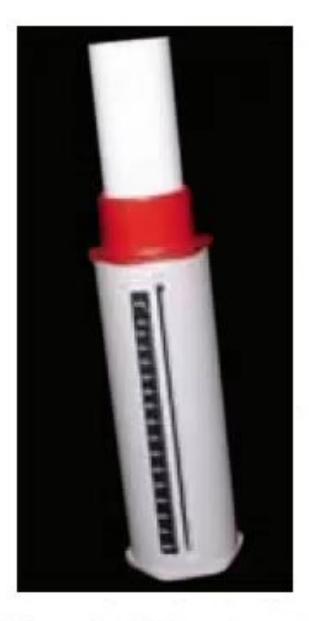
Answer
- Introduces self and explains that the instrument is a Peak Expiratory Flow Meter (PEFR meter) used to measure how fast air can be blown out of the lungs to monitor asthma control.
- Step-by-Step Instructions:
- Stand up straight.
- Ensure the indicator/marker is reset to zero (base of scale).
- Take a deep breath in to fill lungs completely.
- Place mouthpiece into mouth, between teeth, and seal lips tightly around it (do not block hole with tongue).
- Blow out as hard and fast as possible in a single sharp breath (blast).
- Note the number on the scale.
- Repeat the procedure 3 times; record the highest (best) of the three readings (not the average).
- Maintain a daily PEFR diary (morning and evening) to establish personal best.
- Explains Zone System:
- Green Zone (80–100% of personal best): Well-controlled.
- Yellow Zone (50–80%): Caution / worsening airway narrowing — use reliever inhaler.
- Red Zone (<50%): Medical emergency — use rescue inhaler and seek immediate hospital care.
- Answers questions and thanks the patient.
MNJ35-025
Take a history from the mother of a 12-year-old girl presenting with recurrent headaches.
Answer
- Introduces self and establishes rapport.
- Characterizes the Headache:
- Location: Bifrontal/band-like (tension-type), unilateral/pulsatile (migraine), occipital.
- Quality: Throbbing, squeezing, dull ache, sharp.
- Duration, frequency, time of day (morning headaches on waking up suggest raised ICP).
- Associated Symptoms:
- Nausea, vomiting, photophobia, phonophobia, visual aura/scintillating scotomas (Migraine).
- Projectile morning vomiting, diplopia, ataxia, personality/academic changes (Raised ICP/Intracranial mass).
- Facial pain, purulent nasal discharge (Sinusitis).
- Eye strain on reading (Refractive error).
- Triggering Factors: Lack of sleep, skipped meals, emotional stress, screen time, specific foods (chocolate, cheese), menstrual cycle.
- Relieving Factors: Sleep, quiet dark room, analgesics.
- Medications used and response.
- Red Flags: Sudden severe "thunderclap" headache, focal neurological deficits, nocturnal awakening with headache.
- Family history of migraine or neurological disorders.
- Psychosocial history: School stress, peer bullying, anxiety/depression.
- Thanks the mother.
MNJ35-026
A 1.5-year-old child weighing 10 kg is being discharged following a febrile seizure. Counsel the mother regarding domiciliary emergency management using rectal diazepam.
Answer
- Introduces self and establishes rapport.
- Explains the purpose of rectal diazepam (emergency rescue medication to terminate an active seizure lasting >5 minutes).
- Dose Calculation:
; for 10 kg child = 5 mg (or 3 mg starting dose as per specific vial/rectal tube protocol). - Administration Steps:
- Place child in left lateral recovery position on a flat, safe surface.
- Remove clothing from lower body.
- Lubricate tip of rectal cannula/catheter with water-soluble jelly.
- Gently insert tube into rectum (about 2–3 cm / half length of nozzle) and squeeze tube completely to instill medication.
- Keep tube squeezed while withdrawing; pinch buttocks together for 2–3 minutes to prevent drug leakage.
- Monitoring: Seizure should stop within 3–5 minutes; observe breathing and color.
- Safety & Precautions: Risk of respiratory depression; if seizure continues beyond 5–10 minutes post-dose, do not repeat more than once, call ambulance immediately.
- Stores at room temperature away from heat and light.
- Thanks the mother.
MNJ35-027
Counsel parents whose 8-year-old child has been diagnosed with Developmental Dyslexia (Specific Learning Disorder with impairment in reading).
Answer
- Introduces self and establishes empathetic rapport.
- Explains Dyslexia: A specific learning disorder involving neurobiological difficulty with accurate and fluent word recognition, spelling, and phonological processing, despite normal intelligence and intact vision/hearing.
- Reassurance & Destigmatization: Dispel parental guilt; emphasize that the child is not lazy or intellectually impaired. Highlight strengths (creativity, visual-spatial skills, problem-solving).
- Multi-sensory Remedial Education: Structured, phonics-based systematic reading intervention delivered by a trained special educator.
- School Accommodations & Concessions:
- Extra time during examinations (20–30 minutes per hour).
- Use of audiobooks, text-to-speech software, spell checkers.
- Exemption from a second/third language where permitted.
- Oral examinations / provision of a scribe/reader.
- Home Support: Daily shared reading, positive reinforcement, fostering non-academic talents (arts, sports, music).
- Thanks the parents.
MNJ35-028
A 24-month-old boy presents with fever and rash for the last 4 days. Take an appropriate history from the parents.
Answer
- Introduces self and establishes rapport.
- Onset, sequence, and relationship of fever and rash:
- Did rash appear at peak of fever (Measles, Rubella) or after fever subsided (Roseola infantum)?
- Initial location and spread: Head/hairline downwards to trunk/limbs (Measles/Rubella), centripetal spread (Varicella), peripheral/extremities (Hand-foot-mouth disease).
- Rash Characteristics: Maculopapular, vesicular, petechial/purpuric, urticarial, or desquamative.
- Associated Mucocutaneous Symptoms:
- Cough, coryza, conjunctivitis, Koplik spots (Measles).
- Strawberry tongue, cracked lips, cervical lymphadenopathy, edema of hands/feet (Kawasaki disease).
- Joint pain/swelling, photophobia.
- Immunization History: Measles, MR, MMR, Varicella vaccines.
- Exposure History: Contact with sick individuals at daycare, recent travel, insect/tick bites.
- Drug intake prior to rash (rule out drug eruption).
- Thanks the parents.
MNJ35-029
A 28-week preterm male weighing 1.2 kg has just been delivered and developed respiratory distress with grunting. Counsel the father regarding the immediate management plan, anticipated NICU course, and prognosis.
Answer
- Introduces self, addresses father with empathy, acknowledges the stressful situation.
- Explains the Condition: Premature delivery with immature lungs lacking surfactant, resulting in Respiratory Distress Syndrome (RDS / Hyaline Membrane Disease).
- Immediate Management:
- Non-invasive respiratory support (Early nasal CPAP) or mechanical ventilation.
- Endotracheal Surfactant replacement therapy.
- Thermal stabilization in an incubator, IV fluid access, arterial/venous line placement, monitoring of vitals and blood gases.
- Anticipated NICU Course:
- Expected hospital stay of several weeks (until reaching corrected gestational age of ~36–37 weeks, weight >1.5–1.8 kg, and establishing oral feeds).
- Potential complications to monitor: Apnea of prematurity, Patent Ductus Arteriosus (PDA), Necrotizing Enterocolitis (NEC), neonatal sepsis, intraventricular hemorrhage (IVH).
- Screening Protocols: Serial cranial ultrasound, Retinopathy of Prematurity (ROP) screening at 4 weeks, hearing assessment before discharge.
- Long-term Prognosis: Most preterms do well with specialized neonatal care; regular high-risk neurodevelopmental and growth follow-up is planned.
- Addresses all questions and thanks the father.
MNJ35-030
Perform a clinical developmental assessment on this 4-year-old boy across all domains. (At the end, state the developmental age to the examiner).
Answer
- Introduces self and establishes friendly rapport with child and mother.
- Gross Motor Assessment:
- Walks up and down stairs using alternate feet without railing support.
- Hops on one foot for 2–3 seconds.
- Throws a ball overhand with direction.
- Fine Motor / Adaptive:
- Draws a person ("Draw-a-Man") with 2–4 body parts besides head.
- Copies a square (
) and a cross ( ). - Builds a bridge using 3–5 cubes; cuts paper with scissors.
- Language & Cognition:
- Speaks in complete, grammatically correct sentences; tells a simple story.
- Identifies and names at least 3–4 primary colors.
- Knows first and last name, age, and gender; understands prepositions (on, under).
- Personal & Social:
- Washes and dries hands and face independently; brushes teeth with supervision.
- Dresses and undresses with minimal help (unbuttons buttons).
- Engages in cooperative and imaginative group play.
- Conclusion to Examiner: "Based on milestones across all 4 domains, the developmental age of this child is 4 years."
MNJ35-031
Demonstrate and explain the use of a Metered-Dose Inhaler (MDI) with a valved holding chamber (spacer) to the mother of an asthmatic child.
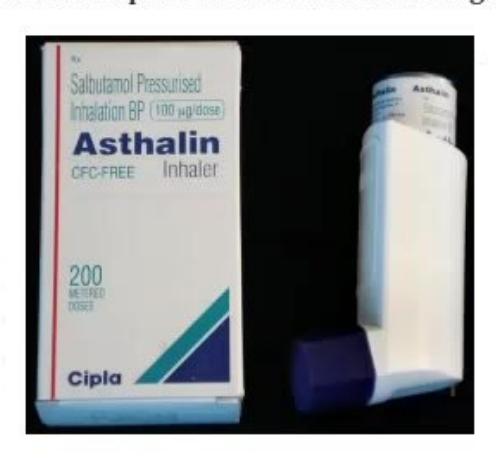
Answer
- Introduces self and explains that using a spacer ensures optimal delivery of medication deep into the lungs while minimizing deposition in the mouth and throat.
- Assembly & Preparation:
- Remove caps from the MDI mouthpiece and spacer.
- Shake the MDI canister vigorously for 5 seconds.
- Insert the MDI mouthpiece firmly into the rubber ring at the back of the spacer.
- Inhalation Technique (Tidal Breathing Method / Single Breath Method):
- Ask child to sit/stand upright and breathe out gently away from the device.
- Place spacer mouthpiece into mouth between teeth, forming a tight seal with lips (or apply face mask firmly over nose and mouth without gaps).
- Press the MDI canister once to actuate one puff into the spacer chamber.
- Instruct child to breathe in slowly and deeply through the mouth, then hold breath for 10 seconds (or breathe normally for 5–6 breaths with tidal breathing).
- If a second puff is prescribed, wait 30–60 seconds, re-shake canister, and repeat steps.
- Post-inhalation Care: Rinse mouth and gargle with plain water (and spit out) after using inhaled corticosteroids to prevent oral candidiasis and hoarseness.
- Spacer Maintenance: Clean spacer weekly with warm water and mild liquid detergent; air dry without towel-rubbing to avoid electrostatic charge.
- Thanks the mother.
MNJ35-032
Provide dietary counseling to the parents of a 3-year-old child diagnosed with Celiac Disease.
Answer
- Introduces self and establishes empathetic rapport.
- Explains the Disease: Celiac disease is a permanent autoimmune enteropathy triggered by ingestion of gluten, a protein that damages the small intestinal villi, leading to malabsorption and poor growth.
- Core Management: Strict, lifelong Gluten-Free Diet (GFD).
- Foods to Strictly Exclude (BROW):
- Barley
- Rye
- Oats (unless certified gluten-free)
- Wheat (including atta, maida, sooji, dalia, bread, biscuits, pasta, noodles, cakes, pastries, rusk).
- Processed foods with hidden gluten (soy sauce, malt extract, packaged gravies).
- Safe Gluten-Free Foods to Include:
- Rice, maize/corn, sorghum (jowar), pearl millet (bajra), finger millet (ragi), sago (sabudana), buckwheat (kuttu), amaranth (rajgira), soybean, pulses, lentils.
- Fresh fruits, vegetables, milk, eggs, unprocessed meats.
- Household Measures: Avoid cross-contamination (separate cooking utensils, toaster, rolling pin, storage containers).
- Nutritional Monitoring: Expected clinical recovery within weeks to months; screen first-degree relatives with serology (anti-tTG IgA).
- Thanks the parents.
MNJ35-033
A 10-year-old child is diagnosed with epilepsy and started on two antiepileptic medications. Advise the parents regarding daily routine activities, safety precautions, and lifestyle modifications.
Answer
- Introduces self and provides reassuring counseling.
- Reassures parents that children with controlled epilepsy should participate in normal schooling, sports, and social activities.
- Safety Precautions:
- Swimming / Water Sports: Permitted only in shallow pools under dedicated one-on-one adult supervision; avoid swimming in open water/rivers/lakes.
- Bathing: Take showers rather than tub baths; never lock the bathroom door.
- High-Risk Activities: Avoid unsupervised high-climbing, bunk beds, high diving, and cycling on busy roads without a helmet.
- Contact Sports: Non-contact and supervised team sports (football, cricket, basketball) are encouraged once seizures are well-controlled.
- Lifestyle & Trigger Avoidance: Ensure regular, uninterrupted sleep; avoid flashing lights/prolonged video gaming if photosensitive; avoid skipping meals.
- Medication Adherence: Strict compliance with antiepileptic drugs; never omit doses.
- Inform school teachers and sports coaches regarding seizure action plan and emergency contacts.
- Thanks the parents.
MNJ35-034
- A 6-year-old boy, Rahul, is diagnosed with Growth Hormone Deficiency (GHD) causing short stature. Counsel the parents regarding recombinant human Growth Hormone (rhGH) therapy.
- List the approved clinical indications for Growth Hormone therapy other than growth hormone deficiency.
Answer
- Counseling on Growth Hormone Therapy:
- Introduction & Purpose: Explain that rhGH replaces the natural deficiency, stimulating bone linear growth and normalizing adolescent height.
- Administration: Daily subcutaneous injection administered at bedtime (mimicking physiologic nocturnal GH release) using user-friendly pen injector devices.
- Dosage: Starting dose
( ). - Monitoring & Expected Response: First-year height velocity typically increases to 8–12 cm/year; monitor height, weight, IGF-1 levels, thyroid function, and bone age every 3–6 months.
- Safety & Side Effects: Generally very safe; rare adverse effects include benign intracranial hypertension (headache/vomiting), slipped capital femoral epiphysis (limp/hip pain), transient hyperglycemia, injection site lipoatrophy.
- Duration: Continued until target adult height is reached, epiphyseal growth plates fuse, or growth velocity falls <2 cm/year.
- Other Approved Indications for GH Therapy:
- Turner syndrome
- Chronic Kidney Disease (CKD) before renal transplantation
- Small for Gestational Age (SGA) failing catch-up growth by 2–4 years
- Prader-Willi syndrome
- Noonan syndrome
- SHOX gene haploinsufficiency
- Idiopathic Short Stature (ISS)
MNJ35-035
A newborn has just been delivered with ambiguous genitalia. As the attending pediatrician, counsel the father waiting outside the labor room.
Answer
- Introduces self, takes father to a private room, offers a seat, and ensures empathetic, calm communication.
- Explains the Clinical Situation:
- Acknowledge the safe delivery of the baby while gently explaining that the external genital structures are incompletely differentiated (ambiguous genitalia).
- Reassure the father that the baby is stable but requires immediate medical evaluation.
- Crucial Immediate Advice:
- Delay birth registration and naming until diagnostic sex assignment is established.
- Advise the family to tell relatives that the baby is undergoing routine medical checks.
- Diagnostic Workup Plan:
- Multi-disciplinary team evaluation (Pediatric Endocrinologist, Geneticist, Pediatric Urologist/Surgeon, Psychologist).
- Urgent chromosomal analysis (Rapid FISH for SRY/Karyotype 46,XX vs 46,XY).
- Pelvic ultrasound to identify internal organs (uterus, ovaries, testes).
- Serum electrolytes (Rule out life-threatening salt-wasting Congenital Adrenal Hyperplasia / CAH) and 17-OHP / steroid profiles.
- Reassures regarding future medical/surgical management options and recurrence counseling for future pregnancies.
- Answers questions with sensitivity and thanks the father.
MNJ35-036
Take a history from the parents of an 8-year-old child presenting with recurrent abdominal pain.
Answer
- Introduces self and establishes rapport.
- Characterizes the Pain:
- Location: Periumbilical (functional) vs localized (epigastric, RUQ, RIF, suprapubic).
- Character: Colicky, dull ache, burning, cramping.
- Timing, duration, frequency, relationship to meals, defecation, or school days.
- Red Flag (Organic) Warning Signs (Rome criteria):
- Involuntary weight loss, growth faltering.
- Nocturnal awakening with pain.
- Persistent localized pain away from umbilicus (e.g., RUQ/RLQ).
- Persistent vomiting (especially bilious) or chronic unexplained diarrhea.
- Gastrointestinal blood loss (hematemesis, melena, hematochezia).
- Unexplained fever, arthritis, aphthous oral ulcers, perianal disease (fistula/tag).
- Bowel Habits: Frequency, hard/lumpy stools, painful defecation (constipation).
- Urinary symptoms: Dysuria, frequency, flank pain (UTI, urolithiasis).
- Dietary history: Cow's milk, spicy foods, lactose intolerance.
- Psychosocial Assessment: Family stress, school-related anxiety/bullying, parental conflicts.
- Family history of IBD, celiac disease, peptic ulcer disease.
- Thanks the parents.
MNJ35-037
- Describe the behavioral states of wakefulness and sleep in a neonate (Brazelton Scale).
- Which behavioral state is optimal for performing a neonatal physical examination?
Answer
- Brazelton Neonatal Behavioral States:
- State 1 (Deep Sleep): Eyes closed, regular breathing, no spontaneous movements except occasional startles; high arousal threshold.
- State 2 (Light / REM Sleep): Eyes closed, rapid eye movements (REM), irregular breathing, low activity level, facial grimacing/sucking movements.
- State 3 (Drowsy / Semi-dozing): Eyes opening and closing, fluttering eyelids, variable activity, smooth delayed movements.
- State 4 (Quiet Alert / Quiet Wakefulness): Eyes wide open, alert expression, minimal motor activity, highly receptive and focused on visual/auditory stimuli.
- State 5 (Active Alert): Eyes open, considerable motor activity, thrusting movements of extremities, fussy/vocalizations.
- State 6 (Crying): Intense crying, robust motor activity, dusky skin color, difficult to console.
- Optimal State for Examination: State 4 (Quiet Alert State) is optimal for neurological, behavioral, and sensory evaluation (State 1/2 for quiet cardiac auscultation).
MNJ35-038
Counsel the parents of a female newborn diagnosed with Turner Syndrome (
Answer
- Introduces self, ensures presence of both parents, and provides empathetic counseling.
- Explains the Genetic Cause:
- Turner syndrome is caused by complete or partial loss of the second X chromosome (
). - Reassures parents that this is a spontaneous genetic event and not caused by anything they did or did not do (no parental fault).
- Turner syndrome is caused by complete or partial loss of the second X chromosome (
- Clinical Features Explained:
- Physical stigmata in infancy: Low birth weight, lymphedema of hands/feet, webbed neck, low posterior hairline, broad chest with widely spaced nipples.
- Growth & Puberty: Short stature in childhood; lack of spontaneous pubertal development (ovarian dysgenesis/streak ovaries) causing primary amenorrhea and infertility.
- Comprehensive Screening & Multidisciplinary Management:
- Cardiology: Echocardiogram for bicuspid aortic valve, coarctation of aorta, and aortic root dilation.
- Nephrology: Renal ultrasound for horseshoe kidney or structural anomalies.
- Endocrinology: Recombinant Growth Hormone (rhGH) therapy from early childhood to optimize height; cyclical Estrogen and Progesterone replacement at 11–12 years for secondary sexual characteristics and uterine maturation.
- Audiology & Thyroid: Regular screening for sensorineural hearing loss, recurrent otitis media, and autoimmune hypothyroidism.
- Cognitive Prognosis: Normal overall intellectual development (normal IQ), though may have mild non-verbal/visuospatial learning challenges.
- Support groups and follow-up plan; thanks the parents.
MNJ35-039
Counsel the parents of a newborn diagnosed with Congenital Talipes Equinovarus (CTEV / Clubfoot).
Answer
- Introduces self, acknowledges parental distress, and offers optimistic reassurance.
- Explains CTEV: A congenital structural deformity of the foot involving four components (CAVE):
- Cavus (high medial arch)
- Adductus (forefoot adducted)
- Varus (hindfoot inversion)
- Equinus (plantarflexion at ankle)
- Rule Out Associated Anomalies: Complete spinal and neuromuscular examination to rule out syndromic/neuropathic causes (e.g., spinal dysraphism, arthrogryposis).
- Treatment Plan — Ponseti Method (Gold Standard):
- Treatment begins in the first 1–2 weeks of life.
- Gentle serial manual manipulation followed by weekly long-leg plaster casts (usually 5–7 casts).
- Correction sequence: Cavus first, then Adductus and Varus, and Equinus last.
- Minor percutaneous Achilles tenotomy under local anesthesia in ~90% cases before final cast.
- Post-Correction Maintenance: Strict use of Steenbeek / Denis Browne abduction brace (23 hours/day for 3 months, then during naps/nighttime until 4–5 years of age) to prevent recurrence.
- Prognosis: Excellent functional and cosmetic outcome with full athletic potential if brace protocol is adhered to.
- Thanks the parents.
MNJ35-040
Demonstrate and explain the use of a Rotahaler device (Dry Powder Inhaler) to the parents of a child with asthma.
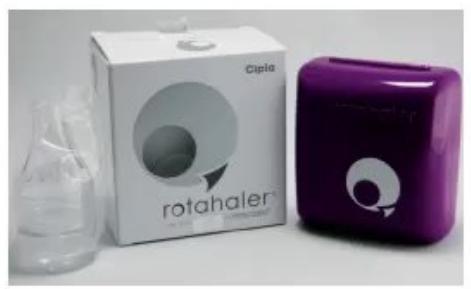
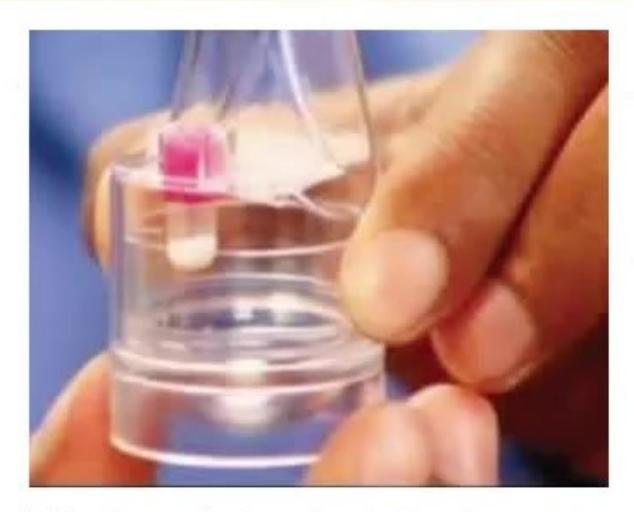
Answer
- Introduces self and demonstrates the Rotahaler components (mouthpiece, barrel, and capsule chamber).
- Step-by-Step Instructions:
- Hold the Rotahaler vertically with the barrel downwards.
- Insert a Rotacap into the square hole with the transparent/clear end pointing downwards.
- Rotate the base of the Rotahaler 180° until it clicks, which splits the capsule into two halves, releasing the fine dry powder into the chamber.
- Instruct the child to exhale completely away from the device.
- Place mouthpiece between teeth and seal lips firmly around it.
- Inhale deeply and forcefully through the mouth to draw the medication into the lungs.
- Remove Rotahaler from mouth and hold breath for 10 seconds (or as long as comfortable).
- Inspection & Cleaning:
- Open chamber and confirm that the capsule is empty and no powder remains.
- Discard the two empty shell halves.
- Rinse mouth and throat with water and spit out after each dose.
- Device Care: Keep dry; never wash with water (moisture causes powder clumping).
- Thanks the parents and child.
MNJ35-041
A 7-month-old infant, Ravi, is diagnosed with Thalassemia Major. Counsel the parents regarding the nature of the disease and the long-term management plan.
Answer
- Introduces self, ensures privacy, and establishes compassionate rapport.
- Explains the Pathology: Thalassemia Major is an inherited autosomal recessive hemoglobinopathy where failure of beta-globin chain synthesis leads to severe lifelong anemia and ineffective erythropoiesis.
- Reassurance & Genetic Counseling: Dispels guilt; explains carrier status in parents and offers prenatal diagnosis (CVS/amniocentesis) for future pregnancies.
- Treatment Pillars:
- Regular Blood Transfusions: Packed red cell transfusions every 3–4 weeks to maintain pre-transfusion Hb
to support normal growth and prevent skeletal deformities. - Iron Chelation Therapy: Initiated after 10–20 transfusions or when serum ferritin exceeds
(Oral Deferasirox / Deferiprone or SC Deferoxamine) to prevent hemosiderosis (organ damage to heart, liver, endocrine glands). - Vaccination: Hepatitis B, pneumococcal, meningococcal, and H. influenzae type b vaccination.
- Regular Blood Transfusions: Packed red cell transfusions every 3–4 weeks to maintain pre-transfusion Hb
- Definitive / Curative Options: Allogeneic Hematopoietic Stem Cell Transplantation (HSCT) from an HLA-matched sibling donor (best performed early in childhood); mention potential cord blood preservation of future siblings.
- Thalassemia Society support and free government blood transfusion facilities.
- Thanks the parents.
MNJ35-042
A newborn baby is delivered with a lumbar spinal swelling diagnosed as a Myelomeningocele. Counsel the parents regarding the condition, surgical management, and recurrence risk prevention in future pregnancies.
Answer
- Introduces self, validates parental distress, and provides empathetic counseling.
- Explains Myelomeningocele: A severe open neural tube defect (NTD) where the spinal cord, nerve roots, and meninges herniate through an unfused vertebral column.
- Multidisciplinary Management:
- Neurosurgical: Urgent surgical closure of the defect within 24–48 hours to prevent meningitis and preserve neurological function.
- Hydrocephalus Monitoring: Daily head circumference, fontanelle tension, and brain neuroimaging (CT/MRI) for Chiari II malformation / hydrocephalus requiring ventriculoperitoneal (VP) shunt.
- Urological: Clean intermittent catheterization (CIC) and anticholinergic therapy for neurogenic bladder to prevent renal damage.
- Orthopedic / Rehabilitation: Physical therapy, orthoses for lower limb weakness/deformities.
- Recurrence Prevention for Future Pregnancies:
- NTD recurrence risk in subsequent pregnancies is ~3–5% (and up to 10% after 2 affected children).
- High-Dose Preconceptional Folic Acid:
starting at least 1–3 months prior to conception and continued throughout the first trimester. - Antenatal screening: Maternal serum alpha-fetoprotein (MSAFP) and targeted high-resolution anomaly ultrasound at 18–20 weeks.
- Thanks the parents.
MNJ35-043
You admitted a 14-month-old toddler, Gourav, diagnosed with severe Breath-Holding Spells. Counsel the anxious mother.
Answer
- Introduces self and establishes empathetic rapport.
- Explains the Phenomenon: Breath-holding spells are involuntary, benign, non-epileptic paroxysmal events occurring in young children (6 months to 6 years) triggered by anger, frustration, pain, or fear.
- Course of a Spell: Child cries, holds breath in expiration, turns blue (cyanotic spell) or pale (pallid spell), becomes limp/unconscious, and may show brief twitching (reflex anoxic seizure) before rapidly regaining normal consciousness.
- Reassurance: Spells do not cause brain damage, intellectual impairment, or epilepsy, and children invariably outgrow them by 4–6 years of age.
- Behavioral Management Strategy:
- Do not give in to tantrums or show excessive alarm/cuddling, as this reinforces the behavior.
- During a spell: Place child flat on side (lateral position) in a safe area; do not shake or place anything in the mouth.
- Stay calm and allow the spell to resolve spontaneously.
- Medical Workup: Check for associated Iron Deficiency Anemia (serum ferritin); oral iron supplementation significantly reduces spell frequency even in non-anemic children.
- Provides emergency contact and thanks the mother.
MNJ35-044
Take a history from the parents of a 5-year-old child, Rajesh, who has 6–8 episodes of recurrent wheezing per year.
Answer
- Introduces self and establishes rapport.
- Characterizes Current and Past Wheezing Episodes:
- Age of onset, frequency (6–8/year), duration of episodes, seasonal vs perennial pattern.
- Severity: Hospitalizations, ICU admissions, requirement for oxygen or systemic steroids.
- Interval symptoms: Wheezing, cough, or exercise-induced breathlessness between acute attacks; nocturnal cough waking child.
- Specific Triggers: Upper respiratory infections, cold weather, physical exertion, dust, animal dander, tobacco smoke, aerosol sprays.
- Medication & Inhaler Technique:
- Current reliever and controller medications, doses, and adherence.
- Inhalation device used (MDI with spacer vs nebulizer) and technique check.
- Associated Atopic Disorders: Eczema/atopic dermatitis, allergic rhinitis/sinusitis, food allergies, GERD symptoms.
- Environmental & Household History: Passive smoking in house, indoor mold/dampness, pets, cooking fuel.
- Family history of asthma, atopy, or allergic diseases in first-degree relatives.
- Impact on daily life: School absenteeism, limitation of physical play and sports.
- Thanks the parents.
MNJ35-045
Provide structured dietary advice for:
- A child with Chronic Kidney Disease (CKD).
- A child with Type 1 Diabetes Mellitus.
Answer
-
Dietary Management in Pediatric Chronic Kidney Disease (CKD):
- Energy: Adequate caloric intake (100% RDA for chronological age/height) using healthy fats and complex carbohydrates to prevent protein catabolism and support growth.
- Protein: Controlled high-biological-value protein intake (
of DRI/RDA); avoid excessive protein to minimize nitrogenous waste accumulation. - Sodium & Fluid: Restrict sodium (
/ no added salt/processed foods) in hypertension/edema; fluid restriction = Insensible water loss + previous day's urine output. - Potassium Restriction: Restrict high-potassium foods (citrus fruits, bananas, coconut water, tomatoes, potatoes, dry fruits) if GFR reduced or hyperkalemia present; employ leaching of vegetables.
- Phosphate & Calcium: Restrict dietary phosphate (coladas, processed dairy, nuts) and administer oral phosphate binders with meals; ensure adequate active Vitamin D (Calcitriol) supplementation.
-
Dietary Management in Type 1 Diabetes Mellitus:
- Balanced healthy diet tailored to growth and physical activity (Carbohydrates 50–55%, Fats 30%, Protein 15–20%).
- Consistent carbohydrate counting matching prandial insulin dosing.
- Emphasize complex carbohydrates with low glycemic index and high dietary fiber; minimize refined sugars/sweets.
- Regular meal and snack timings to avoid hypoglycemia during peak insulin action.
- Keep fast-acting carbohydrates (glucose tablets, fruit juice) available for immediate treatment of hypoglycemia (Rule of 15).
MNJ35-046
The mother of a 5-year-old child, Rajesh, presents for guidance on how to support her child through her impending divorce after her husband filed for divorce.
Answer
- Introduces self, validates the mother's emotional turmoil, and creates a supportive environment.
- Acknowledges Child's Perspective: Divorce is an adult decision that profoundly disrupts a child's sense of stability and routine.
- Communication Guidelines:
- Inform the child together as parents, presenting a unified, calm, and blame-free message.
- Explain the separation in simple, age-appropriate language without disclosing adult conflicts.
- Emphatically reassure the child repeatedly that the divorce is not his fault and that both parents love him unconditionally.
- Co-Parenting & Emotional Safety:
- Never speak negatively about the other parent in front of the child.
- Never force the child to choose sides or use him as a messenger between parents.
- Encourage open expression of feelings (sadness, anger, fear) and validate his emotions.
- Stability & Routine: Maintain consistency in daily routines, schooling, extracurricular activities, and bedtime rituals.
- Inform Rajesh's school teacher and school counselor to monitor for behavioral or academic changes.
- Offer family counseling / child psychology resources; thanks the mother.
MNJ35-047
A 4.5-year-old boy presents with a 6-month history of involuntary stool soiling after having been previously toilet-trained. Counsel the mother regarding encopresis / fecal soiling.
Answer
- Introduces self and provides non-judgmental, reassuring counseling.
- Explains the Pathology:
- Condition is Encopresis (fecal soiling), which in >90% of cases is secondary to chronic retentive constipation.
- Stool withholding leads to a large, hard fecal impaction in the rectum; liquid stool from above leaks around the mass involuntarily without the child's awareness or control.
- Reassurance & Destigmatization: Dispel parental anger/blame; explain that the child cannot feel or control the leakage (rectal desensitization).
- Comprehensive Management Plan:
- Phase 1: Disimpaction: Initial clean-out of impacted stool using oral laxatives (high-dose Polyethylene Glycol / PEG) or gentle enemas.
- Phase 2: Maintenance Therapy: Daily osmotic laxative (PEG) for at least 3–6 months to ensure soft, painless daily bowel movements.
- Phase 3: Toilet Training & Behavior Modification: Scheduled unhurried toilet sits for 5–10 minutes, 2–3 times daily immediately after meals (utilizing gastrocolic reflex); use a footstool for proper posture.
- Dietary Adjustments: Increase dietary fiber (fruits, vegetables, whole grains), ensure adequate water intake, and limit cow's milk intake to
. - Positive reinforcement and reward charts (reward effort of sitting, not just stooling).
- Thanks the mother.
MNJ35-048
The parents of a 7-year-old girl, Poonam, present because she has consistently refused to go to school every morning for the past 15 days. Counsel the parents.
Answer
- Introduces self, addresses both parents with empathy, and builds rapport.
- Explains the Condition: This represents School Refusal / School Phobia, a manifestation of severe anxiety (frequently separation anxiety or performance anxiety) rather than truancy or deliberate defiance.
- Clinical Presentation: Physical complaints (headache, abdominal pain, nausea) characteristically occur on school mornings and resolve on weekends or once allowed to stay home.
- Underlying Triggers to Explore: Bullying, academic difficulties, fear of teacher/peer conflict, fear of failure, recent family transition or illness.
- Intervention Strategy:
- Firm and Prompt Return to School: Continued absence reinforces anxiety; plan a gradual, structured reintegration plan with school authorities.
- Calm, firm morning routine; avoid lengthy debates or emotional negotiations.
- Partner with the school teacher/counselor to create a safe welcoming space upon arrival.
- Address and eliminate any documented school bullying or academic stressors.
- Praise and reward attendance and brave behavior.
- Offer referral to a child psychologist/psychiatrist if anxiety persists.
- Thanks the parents.
MNJ35-049
The mother of a 2-year-old child, Gaurav, presents because he persistently eats non-nutritive, non-food substances (soil, paint chips, chalk). Counsel the mother regarding Pica.
Answer
- Introduces self and establishes non-judgmental rapport.
- Explains Pica: The persistent, compulsive craving and eating of non-nutritive substances for at least 1 month, inappropriate to the developmental level.
- Potential Complications:
- Lead Poisoning: Ingestion of paint flakes/contaminated soil causing encephalopathy, neurodevelopmental delay, anemia.
- Gastrointestinal Complications: Parasitic/helminthic infestations, bacterial gastroenteritis, mechanical intestinal obstruction/bezoar, ulceration/perforation.
- Dental injury and dental infections.
- Underlying Associations: Iron deficiency anemia, zinc deficiency, malnutrition, psychosocial deprivation, autism spectrum disorder.
- Diagnostic & Management Plan:
- Blood tests: CBC, serum ferritin (iron profile), blood lead level (BLL), stool examination for ova/parasites.
- Environmental control: Child-proof home environment, eliminate access to peeling paint/soil.
- Treat underlying nutritional deficiencies (oral iron and zinc replacement).
- Behavioral interventions: Redirection, praise for appropriate eating, sensory play.
- Thanks the mother.
MNJ35-050
The mother of a 3-year-old boy, Rahul, presents with concerns regarding isolated delayed speech. Antenatal and perinatal history was uneventful, and motor milestones are normal. Take history and counsel the mother.
Answer
- Introduces self and validates maternal concerns.
- Focused Evaluation of Speech Delay:
- Hearing Assessment: History of responding to names, localization to sound, history of recurrent otitis media.
- Non-Verbal & Social Communication: Eye contact, pointing to indicate needs (protoimperative) and share interest (protodeclarative), social smile, imaginative play.
- Screen for Autism Spectrum Disorder: Repetitive behaviors, stereotypic movements, resistance to change in routines.
- Environmental Stimulation: Excessive screen time (>2 hours/day), bilingual home environment, lack of social interaction.
- Receptive vs Expressive Language: Ability to follow simple 1- and 2-step verbal commands.
- Management & Action Plan:
- Mandatory formal audiological evaluation (BERA / OAE / Tympanometry).
- Comprehensive Speech-Language evaluation and early speech therapy.
- Complete screen-time elimination (<1 hour high-quality co-viewing maximum).
- Active interactive communication: Read aloud daily, sing nursery rhymes, talk through daily routines, encourage preschool/daycare social interaction.
- Thanks the mother.
MNJ35-051
You are posted in the NICU. A new staff nurse, Reena, is assisting you with a ventilated neonate. Teach her practical tips and standard protocols for Arterial Blood Gas (ABG) sampling.
Answer
- Introduces self, maintains an encouraging and professional instructional tone.
- Pre-Procedure Verification & Site Selection:
- Confirm ventilator settings (
, PIP, PEEP, rate) and patient stability. - Optimal sites: Radial artery (perform modified Allen's test for collateral ulnar flow), posterior tibial artery, or indwelling umbilical arterial catheter.
- Confirm ventilator settings (
- Syringe Preparation:
- Use a pre-heparinized blood gas syringe (or flush a 1 mL tuberculin syringe with liquid heparin 1000 IU/mL and expel all excess liquid; excess heparin causes dilution artifact and falsely lowers
).
- Use a pre-heparinized blood gas syringe (or flush a 1 mL tuberculin syringe with liquid heparin 1000 IU/mL and expel all excess liquid; excess heparin causes dilution artifact and falsely lowers
- Aseptic Sampling Technique:
- Clean site thoroughly with chlorhexidine/alcohol and allow to dry.
- Palpate arterial pulse; insert needle at 30°–45° angle with bevel facing up until spontaneous pulsatile arterial flashback is seen; collect 0.3–0.5 mL blood.
- Immediate Post-Sampling Care:
- Apply firm, continuous local pressure over the puncture site for at least 5 minutes to prevent hematoma formation.
- Immediately expel all micro-air bubbles from the syringe and cap tightly with airtight rubber stopper.
- Gently roll syringe between palms and invert vertically for 10–15 seconds to ensure uniform mixing with heparin.
- Transport & Analysis:
- Transport immediately to the laboratory analyzer (run within 15–30 minutes at room temperature; place in ice slush only if analysis is delayed >30 min).
- Expel the first 1–2 drops of blood before introducing sample into analyzer port.
- Thanks Nurse Reena and invites questions.
MNJ35-052
A 6-year-old boy presents with severe hyperactive, impulsive, and inattentive behavior causing school disruption. Counsel the parents regarding diagnosis, management, and prognosis (ADHD).
Answer
- Introduces self and establishes empathetic, supportive rapport.
- Explains Attention-Deficit/Hyperactivity Disorder (ADHD): A common neurodevelopmental condition characterized by persistent patterns of inattention, hyperactivity, and impulsivity across multiple settings (home and school).
- Reassurance & Goal Setting: Dispel guilt; clarify that this is not poor parenting or a willful disciplinary failure. Goals: enhance academic functioning, self-esteem, family harmony, and social relationships.
- Multimodal Management Approach:
- Behavioral Therapy: Parent training in behavior management (positive reinforcement, token economies, clear consistent rules, structured daily routines).
- School Accommodations: Preferential seating near teacher, short clear instructions, break tasks into small manageable chunks, regular movement breaks.
- Pharmacotherapy (when indicated): Central nervous system stimulants (Methylphenidate) or non-stimulants (Atomoxetine) to enhance neurotransmitter regulation (dopamine/norepinephrine).
- Long-Term Prognosis: ~60–80% continue to experience symptoms into adolescence/adulthood; hyperactivity typically decreases with age while inattention/executive dysfunction may persist. Early intervention prevents secondary academic failure, anxiety, and low self-esteem.
- Thanks the parents.
MNJ35-053
A 14-year-old boy treated for an attempted suicide is being discharged from the pediatric ward. Counsel the adolescent patient and establish safety planning.
Answer
- Introduces self, ensures private, calm, and confidential setting with unconditional positive regard.
- Validates Distress & Rebuilds Worth:
- Express empathy for the emotional pain he experienced; assure him that his feelings are heard and that he is valued and not alone.
- Reassure him that challenges are surmountable with time, support, and alternative perspectives.
- Identify Stressors: Explore precipitating events (academic pressure, relationship conflicts, bullying, depression) without judgment.
- Collaborative Safety Plan & No-Harm Agreement:
- Develop a written safety plan: Identify personal warning signs, positive coping strategies (music, exercise, hobbies).
- Identify trusted adults and emergency contacts (helpline numbers, pediatrician, therapist).
- Secure commitment: "Promise me that if you ever feel overwhelmed or have thoughts of self-harm again, you will immediately reach out to me, your parents, or the crisis helpline."
- Environmental Safety with Parents: Lethal means restriction at home (lock all medications, sharp objects, chemicals).
- Continue psychiatric medications and schedule structured outpatient mental health / psychotherapy follow-up visits.
- Thanks the adolescent warmly for his openness and trust.